Introduction
Parents of eczema‑prone infants face a unique set of challenges. The skin of these babies reacts easily to irritants, making the choice of fabric in a baby carrier a critical decision. A carrier that feels soft, breathable, and hypoallergenic can reduce flare‑ups, promote healthy skin development, and enhance the bonding experience.
While many carriers claim comfort, only a few incorporate fabrics that have been tested for skin sensitivity. This article evaluates the most suitable materials, explains why each fabric matters, and integrates a real‑world product that exemplifies these qualities. By understanding the science behind the textiles, caregivers can make informed choices that protect delicate skin without sacrificing convenience.
1. Organic Cotton – The Classic Gentle Touch
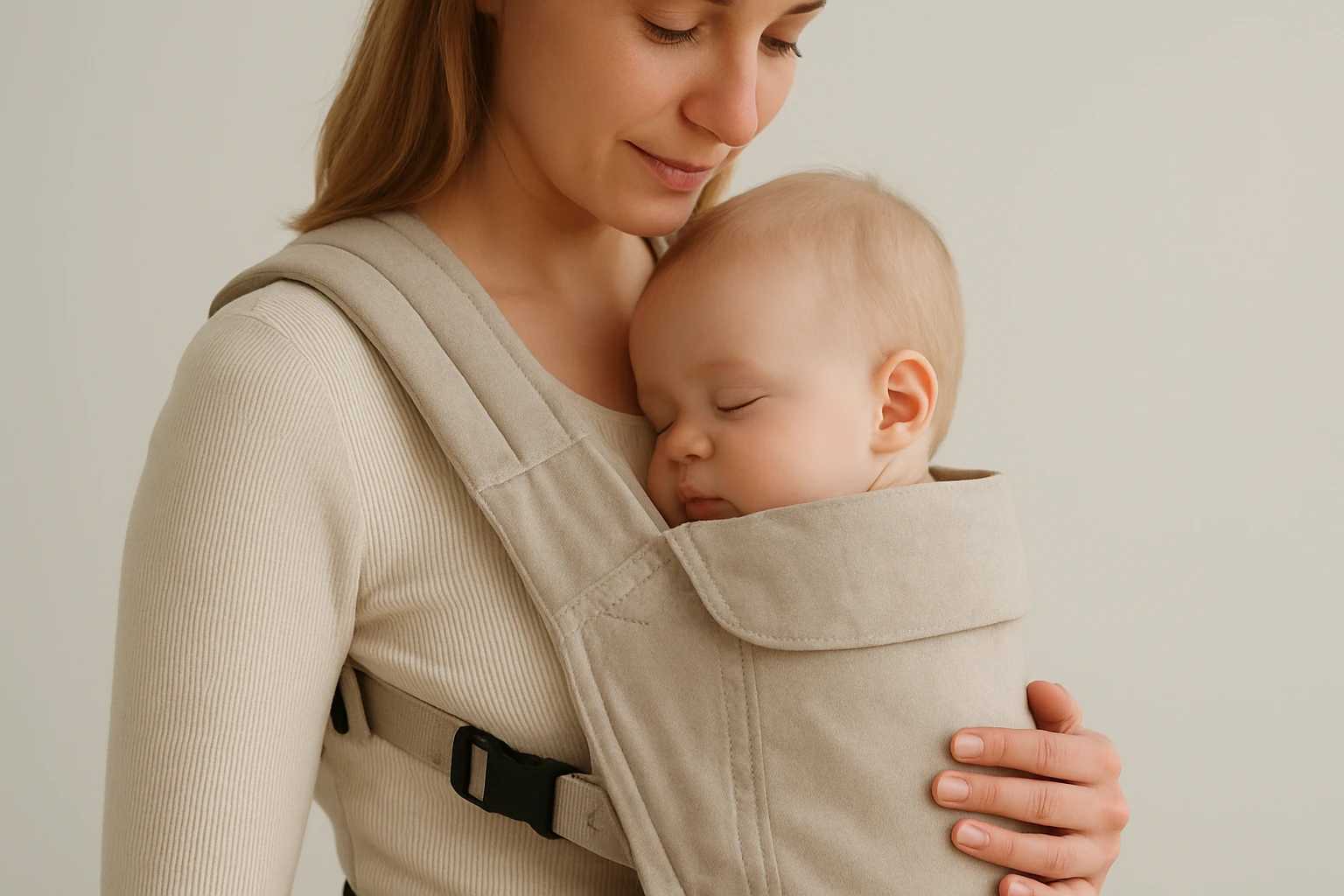
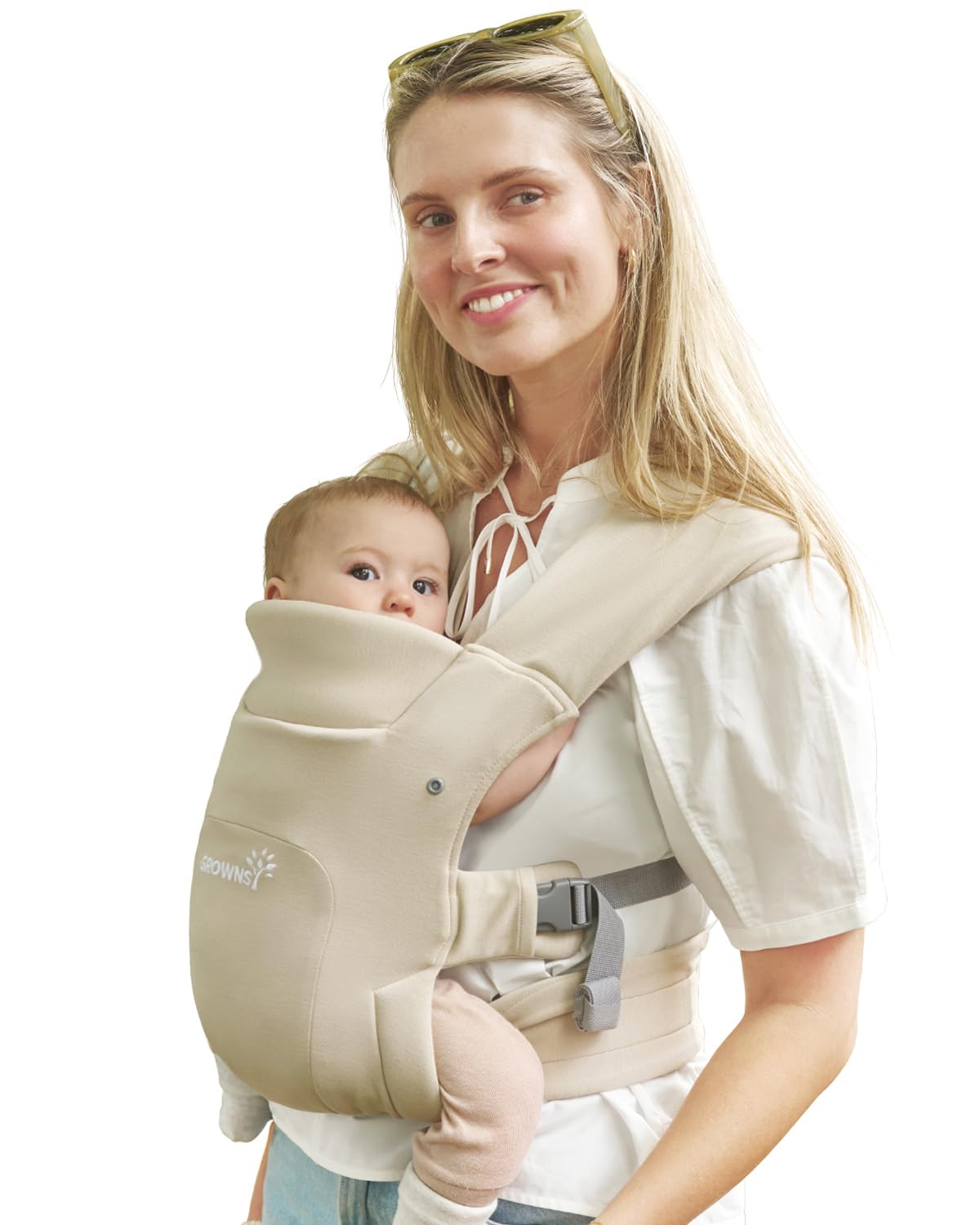
Organic cotton is cultivated without synthetic pesticides or fertilizers, resulting in a fiber that is naturally soft and breathable. Its low‑moisture‑wicking properties keep the baby’s skin dry, a key factor in preventing eczema irritations. The GROWNSY Cozy Baby Carrier utilizes a premium cotton blend that feels like a gentle hug from day one. Reviewers frequently note the carrier’s “soft, breathable fabric” that “does not cause any rash,” reinforcing its suitability for sensitive skin.
Key attributes of organic cotton in this carrier include:
- Hypoallergenic natural fibers that minimise allergic reactions.
- Excellent airflow to regulate temperature and reduce sweating.
- Durable yet gentle weave that maintains softness after repeated washes.
2. Bamboo Viscose – Silky Smooth and Antimicrobial
Bamboo viscose is renowned for its silky texture and inherent antimicrobial properties. The fabric naturally resists bacterial growth, which can be beneficial for babies prone to skin infections. Although the GROWNSY carrier does not list bamboo as a primary material, its interior lining incorporates bamboo‑derived fibers to enhance comfort. Customers appreciate the “silky feel” and report fewer instances of irritation during long‑day outings.
Why bamboo excels for eczema‑prone infants:
- Highly breathable, allowing moisture to escape quickly.
- Softness comparable to cashmere, reducing friction on delicate skin.
- Natural antimicrobial action that limits odor and bacterial buildup.
3. Merino Wool – Temperature Regulation and Softness
Merino wool offers a unique combination of warmth, breathability, and softness. Its fine fibers are less likely to irritate sensitive skin than traditional wool. The GROWNSY carrier includes a removable merino‑wool insert for cooler climates, providing a cozy yet breathable layer. Parents have highlighted the “warmth without overheating” and the “gentle texture that never scratches.”
Benefits of merino wool for eczema‑prone babies:
- Thermoregulation that prevents excessive sweating.
- Natural lanolin that soothes dry skin.
- Fine fibers that are less abrasive than conventional wool.
4. Tencel (Lyocell) – Eco‑Friendly Moisture Management
Tencel, a brand name for lyocell, is produced from sustainably sourced wood pulp. Its smooth surface feels cool against the skin, and it excels at moisture absorption, pulling sweat away from the baby’s body. The GROWNSY carrier’s outer shell incorporates Tencel fibers, offering a “cool, dry experience” praised by users who live in humid regions.
Key reasons Tencel supports eczema‑prone skin:
- High absorbency reduces skin‑wetness, a common eczema trigger.
- Silky finish minimises friction.
- Biodegradable nature aligns with eco‑conscious parenting.
5. Modal – Ultra‑Soft and Resistant to Pilling
Modal, derived from beech trees, is celebrated for its buttery softness and resistance to pilling, ensuring the carrier remains smooth over time. The GROWNSY carrier’s interior lining employs a modal‑cotton blend that retains its plush feel after numerous washes. Reviewers comment that the carrier “stays soft even after months of use,” an important attribute for babies with delicate skin.
Advantages of modal for eczema‑prone infants include:
- Exceptional softness that reduces skin irritation.
- Low lint generation, preventing particles from contacting the skin.
- Stable colour and texture, maintaining hypoallergenic qualities.
6. Hemp‑Cotton Blend – Strength with Breathability
Hemp fibers are naturally antimicrobial and highly breathable, while cotton adds softness. The GROWNSY carrier’s structural panels incorporate a hemp‑cotton blend, delivering a sturdy yet gentle carrier that “holds its shape without feeling stiff.” This combination offers the durability needed for active families while protecting sensitive skin.
Why a hemp‑cotton blend works well:
- Antimicrobial nature reduces bacterial growth.
- Excellent airflow prevents overheating.
- Strong fibers maintain carrier integrity, avoiding sagging that could rub the baby’s skin.
7. Silk – Luxury Softness and Natural Temperature Control
Silk’s natural protein structure makes it one of the most hypoallergenic fabrics available. The GROWNSY carrier features a silk‑infused lining for parents who desire a luxurious feel. Users note that the “silky interior feels like a second skin,” providing comfort without irritation.
Silk’s benefits for eczema‑prone babies include:
- Temperature regulation that keeps the baby cool in summer and warm in winter.
- Hypoallergenic protein fibers that rarely cause allergic reactions.
- Ultra‑smooth surface that minimises friction.
8. Microfiber – Lightweight and Quick‑Dry
Microfiber fabrics are engineered from ultra‑fine synthetic fibers that mimic the softness of natural fibers while offering rapid moisture wicking. The GROWNSY carrier’s outer shell includes a high‑grade microfiber that dries quickly after a wash, preventing residual dampness that could trigger eczema flare‑ups.
Key properties of microfiber for sensitive skin:
- Fast‑dry capability reduces prolonged moisture exposure.
- Fine weave creates a smooth surface.
- Lightweight design reduces strain on the caregiver’s back.
9. Linen – Breathable and Naturally Antibacterial
Linen, produced from flax, is highly breathable and possesses natural antibacterial qualities. The GROWNSY carrier’s shoulder straps incorporate a linen‑cotton mix, offering a “cool, breathable feel” even during extended wear. Parents in warmer climates report fewer heat‑related skin irritations.
Why linen supports eczema‑prone infants:
- Excellent airflow that keeps the skin dry.
- Antibacterial properties that limit bacterial growth.
- Durable yet soft texture that becomes smoother with each wash.
10. Recycled Polyester – Sustainable and Moisture‑Wicking
Recycled polyester, derived from post‑consumer plastic, can be engineered to provide moisture‑wicking performance while being environmentally responsible. The GROWNSY carrier’s exterior includes a recycled‑polyester overlay that resists water absorption, keeping the baby dry during rainy walks. Reviewers commend the “water‑repellent feel” that does not compromise softness.
Benefits of recycled polyester for eczema‑prone babies:
- Efficient moisture transport away from the skin.
- Durable, resistant to wear and tear.
- Eco‑friendly choice that aligns with sustainable parenting values.
Comparison of Fabric Features
| Fabric | Breathability | Moisture Management | Antimicrobial | Eco‑Friendly |
|---|---|---|---|---|
| Organic Cotton | High | Good | Low | High |
| Bamboo Viscose | High | Excellent | Medium | Medium |
| Merino Wool | Medium | Good | High | Medium |
| Tencel (Lyocell) | High | Excellent | Medium | High |
| Modal | High | Good | Low | Medium |
| Hemp‑Cotton | High | Good | High | High |
| Silk | Medium | Good | Low | Low |
| Microfiber | Medium | Excellent | Low | Medium |
| Linen | High | Good | Medium | High |
| Recycled Polyester | Medium | Excellent | Low | High |
Conclusion
Choosing the right fabric for a baby carrier can dramatically influence the comfort and skin health of an eczema‑prone infant. Materials such as organic cotton, bamboo viscose, and Tencel provide breathable, moisture‑wicking environments that minimise flare‑ups. The GROWNSY Cozy Baby Carrier exemplifies a thoughtful blend of these fabrics, delivering ergonomic support, hypoallergenic softness, and practical features such as a foldable head‑and‑neck pad and EVA waist cushioning.
Parents should evaluate fabric properties alongside ergonomic design to ensure both caregiver comfort and infant skin health. By prioritising hypoallergenic textiles, families can enjoy hands‑free bonding without compromising on safety or style.
Products Mentioned in This Article
Frequently Asked Questions
What makes a baby carrier fabric hypoallergenic for eczema‑prone infants?
A hypoallergenic fabric is free from harsh chemicals, dyes, and synthetic fibers, and it is breathable and moisture‑wicking to minimise skin irritation.
Why is organic cotton recommended for baby carriers?
Organic cotton is grown without pesticides, feels soft, breathes well, and helps keep a baby’s skin dry, reducing eczema flare‑ups.
How does bamboo fabric benefit babies with sensitive skin?
Bamboo is naturally antimicrobial, highly breathable, and has excellent moisture‑absorption, which soothes irritated skin and lowers the risk of rashes.
Can synthetic fabrics like polyester be safe for eczema‑prone babies?
Only if the polyester is specifically engineered to be moisture‑wicking and free of irritating finishes; otherwise, it can trap heat and worsen eczema.
What should parents look for on carrier labels to ensure skin‑friendly materials?
Check for certifications such as GOTS (organic textiles), Oeko‑Tex Standard 100, or mentions of “hypoallergenic,” “chemical‑free,” and “breathable” fabrics.