Introduction
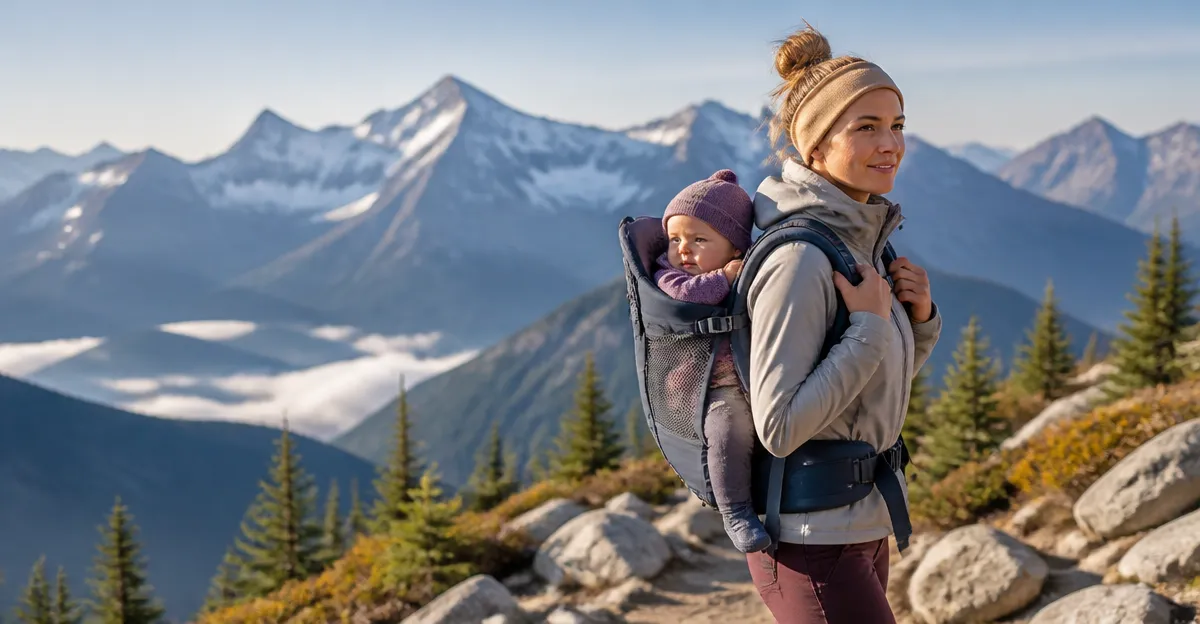
High‑altitude hiking with an infant or toddler presents a unique set of challenges that require careful planning and the right equipment. This guide explains the essential considerations for selecting a baby carrier that maximizes safety, comfort, and functionality in mountainous environments. Readers will learn about core design features, how to evaluate weight distribution, weather protection, and adjustability. The guide also provides a side‑by‑side comparison of two leading carriers, practical best‑practice tips, and answers to frequently asked questions.
Background and Context
Carrying a child on steep trails differs significantly from strolling through a park. Altitude reduces oxygen availability, temperature fluctuations can be extreme, and terrain may be uneven or rocky. A carrier must therefore support the caregiver’s posture, protect the child from ultraviolet radiation, and allow rapid adjustments. Understanding the physiological impacts of altitude on both adult and child helps caregivers make informed decisions about gear selection.
At elevations above 5,000 feet, the body experiences increased heart rate and breathing frequency. A carrier that distributes load evenly reduces strain on the caregiver’s lower back and shoulders, allowing for more efficient respiration. For the child, a carrier with a supportive seat, head cradle, and breathable materials mitigates the risk of overheating or hypothermia.
Key Features of a Safe High‑Altitude Baby Carrier
When evaluating carriers for mountain use, three categories dominate: structural support, environmental protection, and adjustability. Each category contains specific attributes that directly influence safety and comfort.
- Structural Support: A rigid yet lightweight frame, such as the patented folding frame found in the Osprey Poco LT, provides stability on uneven ground while keeping the overall weight low.
- Environmental Protection: Integrated UPF 50 sunshades shield the child from harmful ultraviolet rays, a feature present in both featured carriers.
- Adjustability: Multi‑caregiver compatibility ensures that different body types can share the carrier without compromising fit. The Ergobaby Omni Classic offers six inches of torso adjustment and a 4‑position carry system.
These features work together to create a carrier that can handle the rigors of high‑altitude trails while keeping both caregiver and child comfortable.
Evaluating Weight Distribution and Support
Effective weight distribution reduces fatigue and maintains proper spinal alignment for the caregiver. Carriers that employ a hip‑belt or lumbar support system transfer a portion of the load from the shoulders to the hips. The Osprey Poco LT utilizes a ventilated AirScape backpanel with deep ridged foam, promoting airflow and reducing sweat accumulation during long ascents.
In contrast, the Ergobaby Omni Classic incorporates lumbar support and a cross‑back strap configuration that distributes weight evenly across the torso. Both carriers have received high user ratings—4.6 out of 5 stars—indicating strong performance in real‑world conditions.
When selecting a carrier, caregivers should test the load balance by loading the carrier with a weighted dummy and walking on a simulated incline. The carrier should feel stable, with minimal sway, and the caregiver should be able to maintain an upright posture.
Weather Protection and UV Shielding
Mountain weather can shift rapidly from sunny to windy to cold. A carrier with a built‑in sunshade, such as the UPF 50 shade on the Osprey Poco LT, protects the child’s delicate skin from ultraviolet exposure. The shade can be zipped open for ventilation on warm days and closed for added warmth during cooler periods.
The Ergobaby Omni Classic includes a removable privacy hood and optional carrier cover, allowing caregivers to adapt to rain or wind without compromising breathability. Both carriers are constructed from durable, machine‑washable fabrics that retain performance after repeated cleaning.
For high‑altitude hikes, it is advisable to layer the child with a lightweight fleece or merino blanket that can be added or removed quickly, complementing the carrier’s built‑in protection.
Adjustability and Multi‑Caregiver Compatibility
Families often share caregiving responsibilities, and a carrier that accommodates multiple body types reduces the need for duplicate equipment. The Osprey Poco LT offers six inches of torso length adjustment, enabling caregivers from petite to tall to achieve a secure fit. Its stainless‑steel folding frame locks securely, ensuring safety during rapid adjustments.
The Ergobaby Omni Classic expands on this concept with a one‑size‑adjustable design that fits users from petite to 4XL. Its four‑position carry system—front‑inward, front‑outward, back, and hip—allows caregivers to choose the most ergonomic posture for the terrain and personal preference.
Both carriers feature quick‑release buckles and intuitive adjustment points, enabling caregivers to transition between users in under thirty seconds—an essential capability when navigating narrow trail sections.
Comparison and Selection Guide
| Feature | Osprey Poco LT | Ergobaby Omni Classic |
|---|---|---|
| Price (USD) | $340.00 | CAD 423.14 (approximately $310 USD) |
| Weight Capacity | Up to 45 lb (20 kg) | 7‑45 lb (3‑20 kg) |
| Frame Type | Patented lightweight folding stainless‑steel frame | No external frame; structured ergonomic shell |
| Backpanel | Ventilated AirScape mesh with ridged foam | Adjustable padded backpanel with lumbar support |
| Sunshade | Integrated UPF 50 deployable shade | Optional privacy hood; built‑in UPF protection |
| Carry Positions | Front‑inward, front‑outward, back | Four positions: inward, outward, back, hip |
| Adjustability | 6 inches torso adjustment | Full‑body adjustability; fits petite to 4XL |
| Customer Rating | 4.6 / 5 (212 reviews) | 4.6 / 5 (7,475 reviews) |
Caregivers who prioritize a compact, travel‑ready design with a rigid frame may favor the Osprey Poco LT. Those who value a versatile four‑position system and broader size range may prefer the Ergobaby Omni Classic. Both carriers meet high safety standards and have earned strong consumer confidence.
Best Practices & Tips for High‑Altitude Baby Carrying
- Perform a fit check before each hike; ensure that the child’s hips are positioned in the carrier’s ergonomic bucket seat.
- Use the carrier’s sunshade or a lightweight, breathable cover to protect against intense UV exposure at altitude.
- Pack a small emergency kit that includes a thermal blanket, extra diapers, and a whistle.
- Maintain hydration for both caregiver and child; altitude increases fluid loss.
- Plan frequent rest stops to monitor the child’s temperature and comfort level.
- Adjust straps at each rest point to accommodate any changes in the child’s weight as they grow.
- Practice loading and unloading the carrier on flat ground before attempting steep sections.
Frequently Asked Questions
- What is the minimum age for using a high‑altitude baby carrier?
- Both featured carriers support newborns with a proper infant insert or built‑in support; however, caregivers should ensure that the child can hold their head up unassisted before embarking on high‑altitude trails.
- How much extra weight does a carrier add to a backpack?
- The carrier itself typically weighs between 4 and 6 pounds; adding a child of 15‑20 pounds results in a total load of 20‑30 pounds, which should be within the caregiver’s comfort zone.
- Is a frame necessary for mountain hiking?
- A rigid frame, such as the one on the Osprey Poco LT, provides additional stability on uneven terrain, but a well‑designed structured carrier like the Ergobaby Omni Classic can also perform adequately when properly fitted.
- Can I use these carriers in sub‑zero temperatures?
- Both carriers are compatible with additional insulation layers. Adding a thermal liner or a fleece blanket inside the carrier protects the child in cold conditions.
- What safety certifications should I look for?
- The International Hip Dysplasia Institute endorsement, present on the Ergobaby Omni Classic, indicates hip‑healthy positioning. Both carriers meet ASTM and CPSC safety standards.
Conclusion
Choosing a baby carrier for high‑altitude hiking requires a balance of structural support, weather protection, and adjustability. The Osprey Poco LT excels in compactness and frame stability, while the Ergobaby Omni Classic offers a versatile four‑position system and broader size range. By applying the best‑practice tips and using the comparison guide, caregivers can make an informed decision that enhances safety and enjoyment on mountainous trails.
Products Featured in This Guide
Osprey Poco LT
Price: $340.00 | Rating: 4.6/5 (212 reviews)
Featured for its lightweight folding stainless‑steel frame, ventilated AirScape backpanel, and integrated UPF 50 sunshade, making it ideal for compact travel and high‑altitude stability.
Ergobaby Omni Classic
Price: CAD 423.14 (approx. $310 USD) | Rating: 4.6/5 (7,475 reviews)
Featured for its four‑position ergonomic system, comprehensive adjustability, and International Hip Dysplasia Institute endorsement, providing versatile support from newborn to toddler.