Introduction
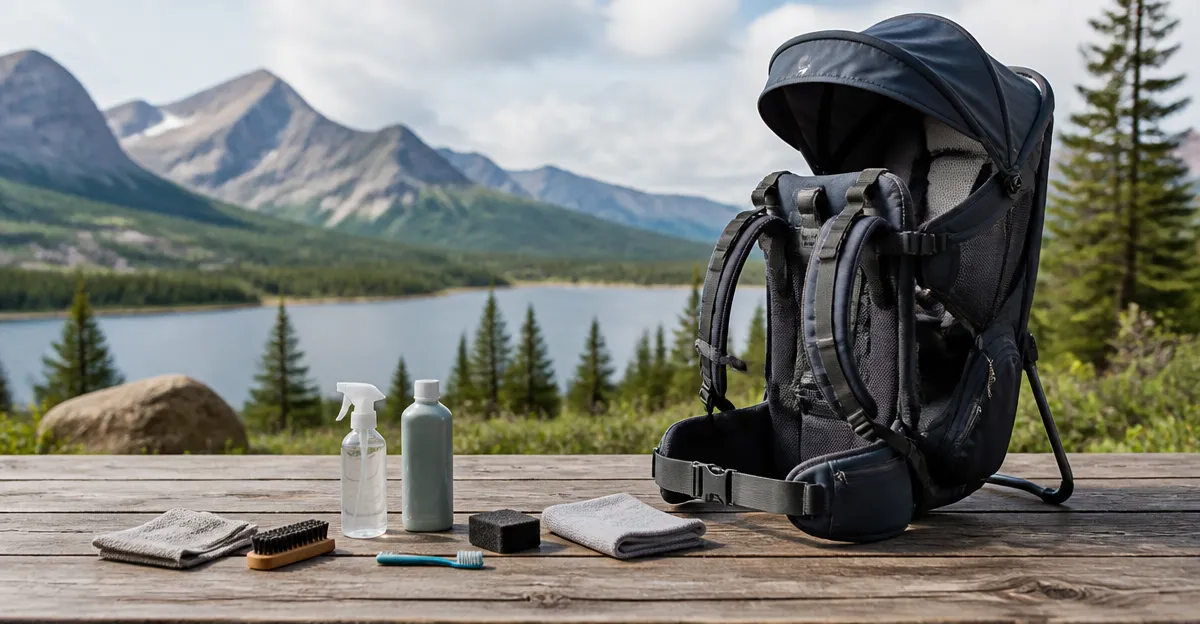
Backcountry adventures that include a baby demand meticulous preparation, especially when the carrier is a critical piece of equipment. This guide explains how to develop a maintenance schedule that keeps a carrier clean, safe, and comfortable throughout a multi‑day trek. Readers will learn daily cleaning routines, pre‑ and post‑hike inspections, and practical product recommendations that enhance reliability. By following the procedures outlined here, caregivers can protect both the infant and the gear while enjoying the trail.
Background/Context
Modern baby carriers combine ergonomic design, breathable fabrics, and safety certifications such as ASTM, CPSIA, and the International Hip Dysplasia Institute standards. When a carrier is exposed to sweat, mud, and variable weather, its performance can degrade, leading to discomfort or even safety hazards. Understanding the materials—cotton blends, 600D oxford, breathable linen, and ponte knit—helps caregivers select appropriate cleaning agents and inspection techniques. Moreover, a carrier that supports a healthy hip position reduces the risk of developmental dysplasia during prolonged use.
Cleaning and Daily Maintenance
Daily cleaning focuses on surface sweat, dust, and minor spills that accumulate during a day of hiking. For cotton‑based carriers such as the Tactical Baby Gear Dad Carrier, a gentle machine‑wash on a cold cycle preserves the fabric while removing salts that can irritate a baby’s skin. The carrier’s removable shade and bib should be washed separately to prevent mold growth in humid environments. After washing, air‑dry the carrier in a shaded area to maintain the integrity of the MOLLE webbing and hardware.
For carriers with synthetic shells, such as the WOLF TACTICAL Dad Carrier, spot‑cleaning with a mild detergent is sufficient for light mud. Use a soft brush to dislodge particles from the 600D oxford exterior, then wipe with a damp cloth. The breathable mesh interior can be removed and machine‑washed, mirroring the process for the Tactical carrier. Daily maintenance should also include a quick visual check of buckles, straps, and MOLLE attachments for wear or loose threads.
The WildBird Aerial Buckle Carrier benefits from its linen construction, which tolerates hand washing with a mild soap. Submerge the carrier in cool water, gently agitate, and rinse thoroughly to avoid detergent residue that could cause skin irritation. Finally, the lightweight Ergobaby Embrace Newborn Carrier should be hand‑washed to protect the delicate ponte knit; a brief soak followed by a gentle squeeze removes grime without stretching the fabric.
Pre‑Hike Inspection Checklist
Before embarking on a multi‑day hike, a systematic inspection ensures that the carrier will perform under stress. Verify that all UTX buckles on the Tactical and WOLF carriers click securely and that the release mechanisms operate smoothly; a faulty buckle can compromise load distribution. Examine the stitching along the cross‑straps for fraying; reinforced stitching is a hallmark of the Tactical carrier’s high‑end construction, reflected in its 4.7‑star rating from over 2,000 reviewers.
Check the hip‑healthy seat or bucket for any signs of compression that could affect the infant’s positioning. The Ergobaby Embrace carries a patented bucket seat that must remain fully intact to preserve the M‑shaped seated posture endorsed by the International Hip Dysplasia Institute. Test the lumbar support on the WildBird carrier by applying pressure to the lumbar pad; it should remain firm without bulging, indicating that the internal padding has not deteriorated.
Inspect all accessory components—shade, bib, and removable chest clip—for proper attachment. Ensure that the MOLLE webbing on the Tactical and WOLF carriers is free of tears, as these loops hold essential pouches and carabiners during rugged terrain. Finally, confirm that the carrier’s weight capacity aligns with the child’s current weight; each product lists a range up to 33 lb, but the child’s growth may necessitate a larger model.
Mid‑Hike Care and Repairs
During a multi‑day trek, conditions can change rapidly, requiring on‑the‑fly adjustments. If a strap becomes loose, use the carrier’s adjustable buckles to re‑tighten; the Tactical carrier’s cross‑strap design allows quick re‑tension without removing the carrier. For minor fabric abrasions, apply a fabric repair patch that adheres to both cotton and synthetic fibers; this prevents the tear from expanding during steep ascents.
When weather turns wet, protect the carrier with a breathable rain cover that slides over the exterior while allowing ventilation. The WOLF carrier’s 600D oxford shell repels water, but prolonged exposure can saturate the interior mesh; a rain cover mitigates this risk. If the lumbar support of the WildBird carrier feels compressed after a long day, gently fluff the padding and re‑secure the adjustable straps to restore alignment.
Should a buckle fail to release, apply a small amount of silicone‑based lubricant to the moving parts; this restores smooth operation without compromising the carrier’s safety certifications. Always carry a small repair kit containing spare buckles, thread, and a needle, as these items can resolve issues that would otherwise force an early descent.
Post‑Hike Deep Cleaning and Storage
After completing a multi‑day hike, a thorough deep clean removes embedded dirt, salts, and microorganisms that could degrade the carrier over time. For the Tactical carrier, remove all accessories and machine‑wash the main body on a gentle cycle with a mild detergent; add a cup of white vinegar to neutralize odors. Air‑dry the carrier completely before storage to prevent mold growth, especially in humid climates.
The WOLF carrier’s synthetic shell benefits from a low‑temperature tumble‑dry cycle on a no‑heat setting; this preserves the integrity of the 600D oxford while eliminating lingering moisture. Inspect the MOLLE webbing for any residual debris and brush it clean with a soft brush. Store the carrier in a breathable garment bag rather than a sealed plastic sack, allowing air circulation.
For the linen‑based WildBird carrier, hand‑wash with a gentle soap, rinse thoroughly, and lay flat on a clean surface to dry. The ergonomic lumbar support should be rotated periodically during drying to maintain its shape. The Ergobaby Embrace, being the lightest, can be folded loosely and placed in a dedicated carrier pouch that shields the ponte knit from dust while preserving its stretch.
Comparison/Selection Guide
Choosing the optimal carrier for multi‑day hikes depends on terrain, climate, and personal preference. The table below contrasts the four featured carriers across key attributes:
| Feature | Tactical Baby Gear Dad Carrier | WOLF TACTICAL Dad Carrier | WildBird Aerial Buckle Carrier | Ergobaby Embrace Newborn Carrier |
|---|---|---|---|---|
| Material | Cotton with premium hardware | 600D oxford + mesh | Breathable linen | Ponte knit |
| Weight Capacity | 8‑33 lb | 8‑33 lb | 7‑45 lb | 7‑25 lb |
| Hip‑Healthy Certification | Yes (International Hip Dysplasia Institute) | Yes (ASTM, CPSIA) | Yes (Hip‑Healthy design) | Yes (Hip‑Healthy) |
| Weather Resistance | Moderate (cotton) | High (600D oxford) | Moderate (linen) | Low (knit) |
| Price | $179.00 | $113.49 | $178.00 | Varies (not listed) |
| Rating | 4.7/5 (2,033 reviews) | 4.5/5 (270 reviews) | 4.5/5 (735 reviews) | Not provided |
For rugged, all‑weather expeditions, the WOLF TACTICAL Dad Carrier offers the highest durability and water resistance at a competitive price. Hikers who prioritize modularity and accessory attachment may prefer the Tactical Baby Gear Dad Carrier for its MOLLE‑compatible design. The WildBird Aerial Buckle Carrier excels in versatility, allowing front or back carry with lumbar support, making it suitable for families that switch between infants and toddlers. The Ergobaby Embrace provides unparalleled comfort for newborns and is ideal for short day hikes where weight and breathability are paramount.
Best Practices & Tips
- Rotate the carrier’s position on the body every 30‑45 minutes to distribute pressure and prevent shoulder fatigue.
- Use a dedicated carrier rain cover in wet environments; ensure it does not trap moisture inside.
- Keep a small repair kit with spare buckles, thread, and fabric patches in the daypack.
- Document weight changes of the child and adjust strap lengths accordingly to maintain hip‑healthy positioning.
- Schedule a full inspection after every 10‑day trek, even if no visible damage is apparent.
FAQ
- How often should I wash a carrier during a week‑long hike?
- Spot‑clean daily and perform a full wash after every 3‑4 days of use, especially if the carrier becomes damp from sweat or rain.
- Can I use a carrier that is rated for 33 lb with a 35 lb toddler?
- No. Exceeding the manufacturer’s weight limit can compromise safety features and hip‑healthy positioning.
- Is it safe to wear a carrier while climbing steep inclines?
- Yes, provided the carrier is properly adjusted, the child is positioned inward‑facing, and the caregiver maintains a stable center of gravity.
- What is the best way to dry a carrier after a rainstorm?
- Hang the carrier in a well‑ventilated shaded area, allowing both the exterior and interior mesh to dry completely before packing.
- Do I need a separate carrier for newborns and toddlers?
- Some carriers, such as the WildBird Aerial Buckle Carrier, accommodate a wide weight range and can transition from newborn to toddler with a change of accessories.
- How can I tell if a buckle is failing?
- If the buckle feels loose, does not click into place, or releases under light pressure, replace it immediately.
Conclusion
A disciplined maintenance schedule protects both the infant and the carrier, ensuring safety and comfort throughout multi‑day hikes. By integrating daily cleaning, thorough pre‑hike inspections, mid‑hike repairs, and post‑hike deep cleaning, caregivers can extend the lifespan of their equipment. The product recommendations included herein complement each step of the schedule, offering reliable options for diverse climates and terrains. Ultimately, meticulous care transforms a baby carrier from a simple accessory into a trusted partner on the trail.
Products Featured in This Guide
Tactical Baby Gear Dad Carrier
Price: $179.00 | Rating: 4.7/5 (2,033 reviews)
Featured for its durable cotton construction, MOLLE compatibility, and hip‑healthy certification, making it ideal for rugged multi‑day treks.
WOLF TACTICAL Dad Carrier
Price: $113.49 | Rating: 4.5/5 (270 reviews)
Featured for its military‑grade 600D oxford shell, lightweight design, and extensive safety testing, suitable for harsh weather conditions.
WildBird Aerial Buckle Carrier
Price: $178.00 | Rating: 4.5/5 (735 reviews)
Featured for its breathable linen fabric, lumbar support, and versatile front‑or‑back carry options, ideal for families with growing children.
Ergobaby Embrace Newborn Carrier
Price: $— | Rating: Not provided
Featured for its ergonomic bucket seat, soft ponte knit, and award‑winning hip‑healthy design, perfect for newborns on short hikes.
Frequently Asked Questions
How often should I clean a baby carrier during a multi‑day hike?
Wipe down the carrier each evening with a damp cloth and mild soap, then let it air‑dry before bedtime.
What pre‑hike inspection steps are essential for safety?
Check all straps, buckles, and seams for wear, verify the hip‑support panel is intact, and ensure safety certifications are still visible.
Which cleaning agents are safe for common carrier fabrics?
Use a gentle, fragrance‑free detergent for cotton blends, a diluted vinegar solution for 600D oxford, and avoid bleach on breathable linen or ponte knit.
How can I protect a carrier from mud and moisture on the trail?
Apply a waterproof spray designed for technical fabrics and store the carrier in a breathable dry sack when not in use.
What post‑hike maintenance helps extend the carrier’s lifespan?
Perform a thorough wash according to the manufacturer’s instructions, inspect for hidden damage, and re‑apply fabric protectant before the next trip.