
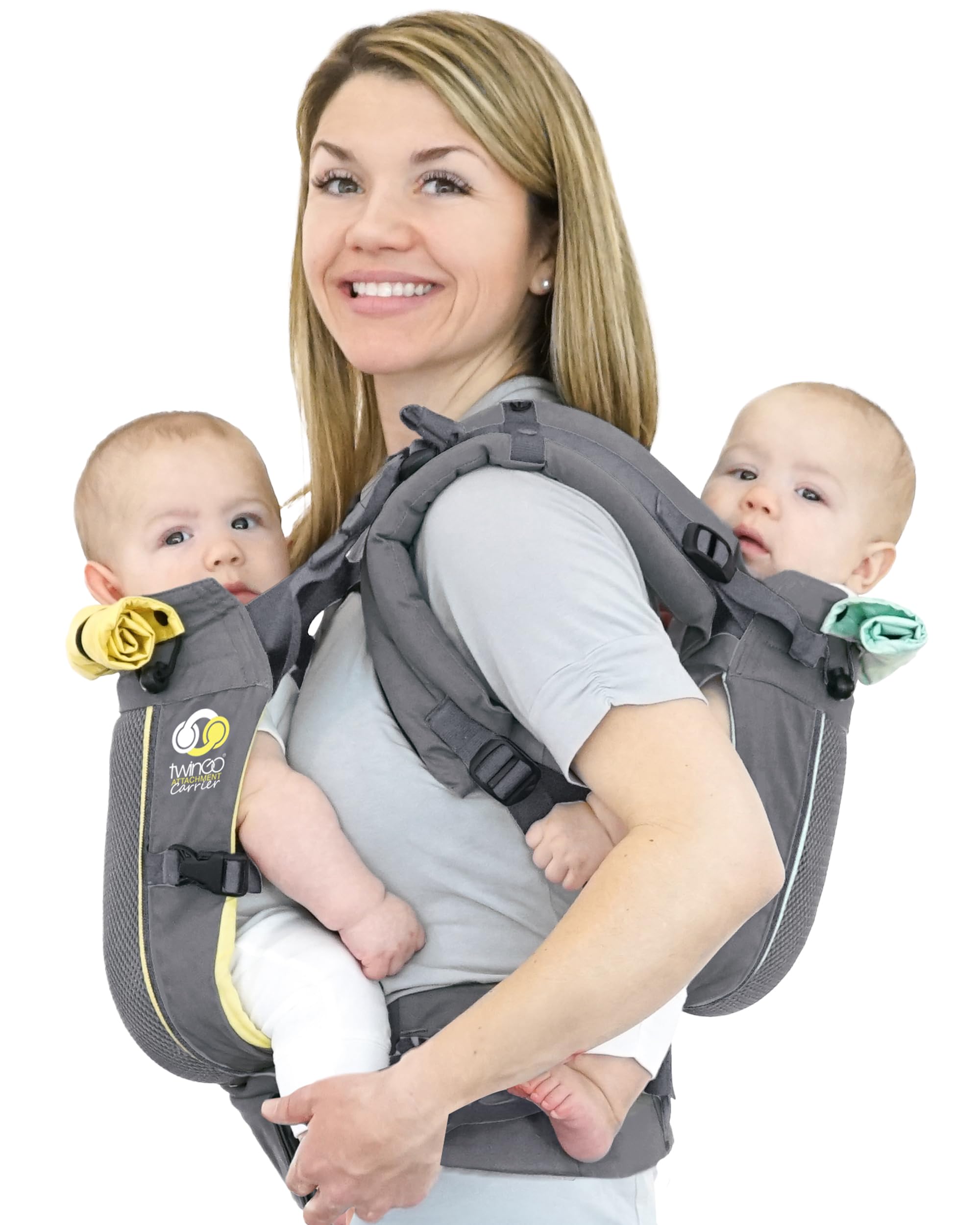
Best Carriers for Newborn Twins: The Ultimate Guide to Safe, Comfortable Twin Babywearing
Introduction
Carrying newborn twins presents a unique set of challenges that demand thoughtful solutions. This guide explains the essential considerations for twin babywearing, outlines the most important features to look for in a carrier, and recommends a product that meets rigorous safety and comfort standards. Readers will learn how to evaluate carriers, apply best‑practice techniques, and answer common questions, ensuring that both parents and babies enjoy a secure and ergonomic experience.
Background and Context
Twin babywearing has evolved from a niche practice to a mainstream parenting strategy. Modern carriers are engineered with breathable fabrics, ergonomic load distribution, and adjustable components that accommodate the rapid growth of infants and toddlers. Understanding the anatomy of a carrier—such as shoulder straps, waist belts, and support hoods—helps parents select a model that protects spinal alignment, promotes healthy hip development, and reduces strain on the caregiver.
Safety standards set by organizations like the Consumer Product Safety Commission (CPSC) and the International Hip Dysplasia Institute (IHDI) serve as benchmarks. Carriers must pass rigorous testing for load limits, buckling mechanisms, and material durability. When a carrier meets or exceeds these standards, it provides a foundation for confident twin babywearing.
Key Concepts for Twin Babywearing
Before diving into product recommendations, it is important to grasp several core concepts that influence both safety and comfort.
- Weight Distribution: A carrier should spread the combined weight of two infants across the shoulders, hips, and torso, minimizing pressure points.
- Adjustability: Twins differ in size and developmental stage; adjustable straps and modular panels allow a single carrier to grow with the children.
- Ventilation: Breathable mesh fabric helps regulate temperature, preventing overheating during warm weather while retaining warmth when needed.
- Privacy and Support: Removable hoods or caps provide head and neck support, as well as a private space for breastfeeding or soothing.
Recommended Carrier
The TwinGo Air Twin Baby Carrier stands out as a versatile, high‑rating option that addresses the concepts listed above. Designed by a mother of twins, this carrier combines functionality with thoughtful details that simplify twin parenting.
Product Highlights
- Four Carrying Modes: Tandem, front, back, and hip positions accommodate a variety of activities and caregiver preferences.
- All‑Season Design: Mesh panels keep infants cool, while a zip‑up panel adds warmth on cooler days.
- Removable Hoods: Two soft hoods provide head support, privacy for nursing, and shade from sunlight.
- Machine‑Washable: Easy to clean, ensuring hygiene for daily use.
- Conversion Capability: The carrier can split into two independent carriers, allowing parents to share the load.
Technical specifications include a weight capacity of 10‑45 lb per side, suitability for adults ranging from size XS to XXL, and a price of $229.99. The product holds a 4.3‑star rating from 228 verified reviews, indicating strong customer satisfaction.
Comparison and Selection Guide
Choosing the right twin carrier requires a systematic assessment of personal needs, lifestyle, and the specific features of each model. The table below compares the TwinGo Air Twin Baby Carrier with typical criteria that parents evaluate.
| Criteria | TwinGo Air Twin Baby Carrier | Typical Alternative |
|---|---|---|
| Weight Capacity per Infant | 10‑45 lb | 10‑40 lb |
| Carry Modes | 4 (tandem, front, back, hip) | 2‑3 (front, back, occasional hip) |
| Ventilation | Mesh fabric + zip‑up panel | Fabric only, limited ventilation |
| Conversion | Separates into two independent carriers | Single‑purpose carrier |
| Price | $229.99 | $180‑$250 |
| Customer Rating | 4.3/5 (228 reviews) | Varies 3.5‑4.5 |
When evaluating alternatives, consider the following decision matrix:
- Determine the typical combined weight of your twins and ensure the carrier’s capacity exceeds it.
- Identify the most frequent carry positions you will use; a carrier offering multiple modes provides greater flexibility.
- Assess climate conditions; breathable mesh is essential for hot environments.
- Consider future growth; a carrier that converts to separate units can extend its useful life.
- Compare price against features and warranty coverage.
Best Practices & Tips for Twin Babywearing
Even the best carrier requires correct usage to maximize safety. Follow these expert recommendations:
- Secure the Buckles First: Fasten all waist and shoulder buckles before placing the infants, ensuring a snug fit.
- Check Hip Position: The infants’ thighs should form a “M” shape, with knees higher than hips, supporting healthy hip development.
- Balance the Load: Distribute weight evenly; if one baby is larger, adjust straps to keep the carrier level.
- Maintain Airflow: In warm weather, open mesh panels fully and avoid covering the hoods unless shade is required.
- Practice at Home: Before venturing out, rehearse putting on and taking off the carrier to build confidence.
Regularly inspect the carrier for wear, especially at stitching points and buckles. Replace any damaged components promptly to preserve structural integrity.
Frequently Asked Questions
- Can the TwinGo Air Twin Baby Carrier be used for newborns?
- Yes, when combined with the optional TwinGo Infant Insert (sold separately), the carrier can safely accommodate newborns weighing 7‑10 lb.
- Is the carrier suitable for long‑duration wear?
- Its ergonomic shoulder straps and waist belt distribute weight, allowing caregivers to wear twins for extended periods without excessive fatigue.
- How do I clean the carrier?
- The carrier is machine‑washable on a gentle cycle; air‑dry to maintain fabric integrity.
- Does the carrier provide adequate support for toddlers?
- Yes, with the TwinGo Panel Extenders (sold separately) the carrier adapts to toddlers up to 45 lb per side.
- What safety certifications does the carrier have?
- It complies with CPSC safety standards for infant carriers and follows IHDI guidelines for hip‑healthy positioning.
Conclusion
Twin babywearing demands a carrier that blends safety, versatility, and comfort. The TwinGo Air Twin Baby Carrier fulfills these criteria through its four carry modes, breathable design, and convertible architecture. By applying the selection framework and best‑practice tips presented in this guide, parents can make informed decisions, enjoy hands‑free mobility, and nurture a strong bond with their newborn twins.
Products Featured in This Guide
TwinGo Air Twin Baby Carrier
Price: $229.99
Rating: 4.3/5 (228 reviews)
Featured because it offers four versatile carry positions, breathable all‑season fabric, and the unique ability to split into two independent carriers, making it an ideal solution for parents of newborn twins.