Introduction
One will learn a systematic approach to cleaning and sanitizing a baby carrier without compromising its breathable mesh, stitching, or ergonomic support. Maintaining a carrier in pristine condition protects both infant skin and adult posture, and it extends the product lifespan. This guide explains why gentle detergents, proper drying, and careful handling are essential, and it integrates practical tools that simplify each phase of the process.
What You'll Need
- A soft lint‑free brush or microfiber cloth
- Mild liquid detergent (free of bleach and fabric softeners)
- A large basin or bathtub for hand washing
- A washing machine with a gentle cycle (optional)
- Drying rack or clean towel
- BabyBjörn Baby Carrier Free – for reference on fabric care
- Infantino Flip 4‑in‑1 Carrier – noted for machine‑washable material
- MOMTORY StowNGO Pro Carrier – includes storage pockets for cleaning supplies
Step 1: Remove Loose Debris and Detach Accessories
Begin by gently brushing the carrier with a lint‑free brush to eliminate crumbs, pet hair, and surface dust. If the carrier features removable pads, buckles, or storage pouches, detach them and place them in a separate bowl of warm water. This prevents abrasive particles from embedding into the fabric during washing. The Infantino Flip 4‑in‑1 Carrier demonstrates how detachable components simplify cleaning; its adjustable straps and removable head support can be rinsed independently, reducing wear on the main body.
Step 2: Pre‑Treat Stains with a Mild Detergent
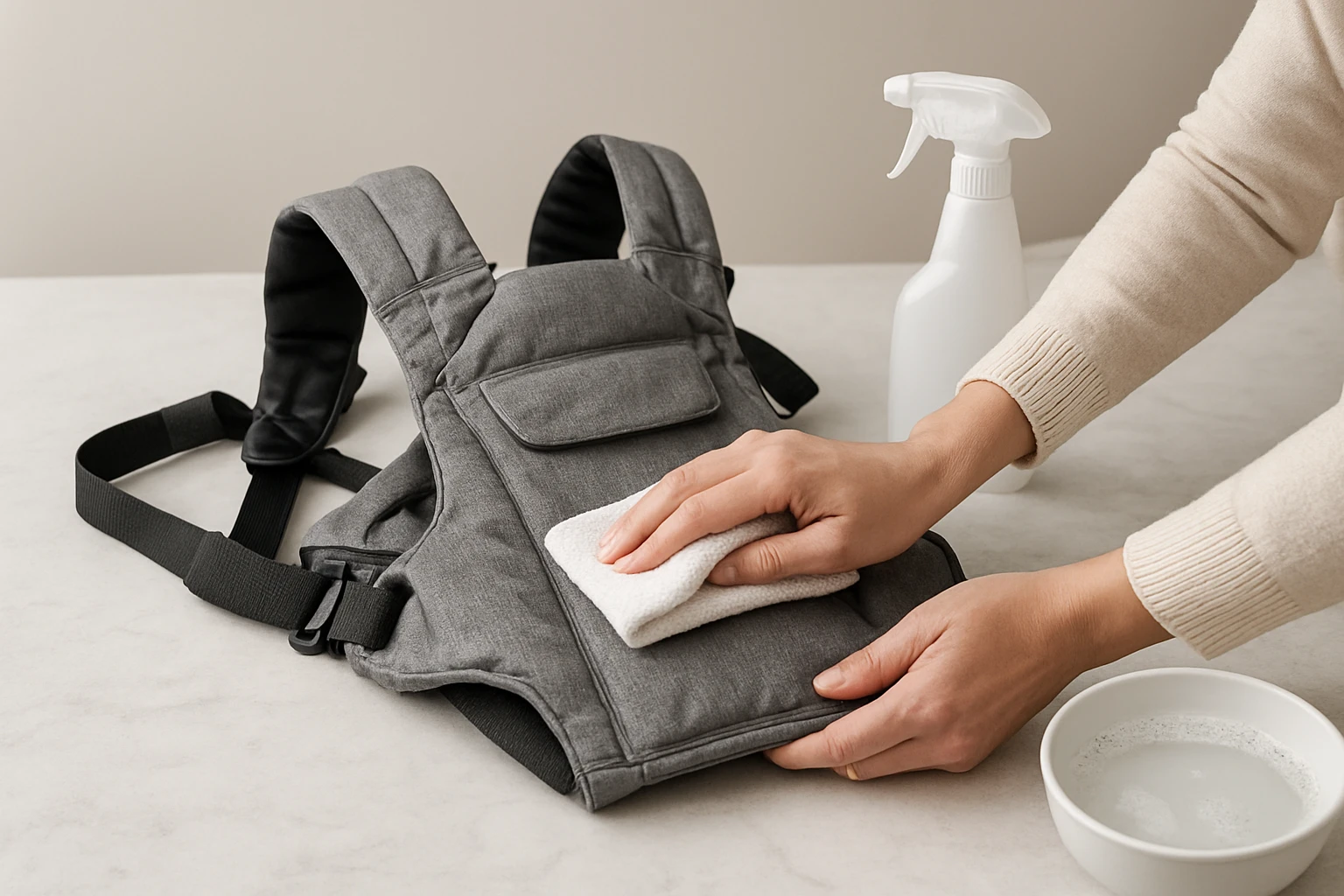
Apply a small amount of mild liquid detergent directly to any visible stains, such as milk spills or drool marks. Gently rub the area with a soft cloth, allowing the detergent to penetrate for 5–10 minutes. Avoid harsh chemicals, as bleach can weaken the mesh fibers and cause discoloration. The breathable 3D mesh of the BabyBjörn Baby Carrier Free benefits from gentle treatment; its high‑quality stitching remains intact when only mild agents are used.
Step 3: Choose the Appropriate Washing Method
Assess the carrier's care label. For most carriers, hand washing in lukewarm water (30°C) is safest. Submerge the carrier, agitate lightly, and rinse thoroughly until no suds remain. If the label permits machine washing, place the carrier inside a mesh laundry bag and select a delicate cycle with cold water. The Infantino Flip 4‑in‑1 Carrier is specifically engineered for machine washing; its soft, easy‑to‑clean fabric withstands gentle spin cycles, making it a convenient option for busy parents.
Key product details for reference:
- Price: $34.99
- Rating: 4.6/5.0 (81,233 reviews)
- Features: 4‑in‑1 carrying positions, padded shoulder straps, wide waist belt, machine‑washable fabric
Step 4: Dry the Carrier Correctly
After washing, gently squeeze excess water without wringing, as twisting can distort the carrier's structural support. Lay the carrier flat on a clean towel, roll the towel to absorb remaining moisture, and then hang it on a drying rack in a well‑ventilated area away from direct sunlight. Sunlight can fade the mesh coloration of the BabyBjörn Baby Carrier Free, which is offered in Dusty Pink. Air drying preserves the carrier's elasticity and prevents shrinkage.
Step 5: Re‑Assemble and Perform a Safety Check
Once the carrier is completely dry, reattach any removed accessories. Inspect all buckles, straps, and stitching for signs of wear. Verify that the waist belt slides smoothly and that the back support remains firm. The MOMTORY StowNGO Pro Carrier includes a hip seat and multiple storage pockets, allowing parents to keep a small repair kit handy for quick adjustments after cleaning.
Product highlights for the MOMTORY model:
- Price: $49.97
- Rating: 4.6/5.0 (1,566 reviews)
- Features: 6‑in‑1 carrying positions, detachable hip seat, integrated diaper‑bag pockets, machine‑washable premium fabric
Tips & Pro Tips
- Always test a small inconspicuous area with detergent before treating the entire carrier.
- Use a mesh laundry bag to protect straps and buckles during machine washing.
- Do not tumble dry; excessive heat can degrade the carrier's internal exoskeleton support.
- Store the carrier in a breathable garment bag rather than a sealed plastic container to prevent mildew.
- For persistent odors, add a half‑cup of white vinegar to the final rinse cycle; vinegar neutralizes bacteria without harming fabric.
Troubleshooting
| Problem | Solution |
|---|---|
| Fabric feels stiff after washing | Rinse again with a small amount of fabric softener substitute such as a diluted baby‑safe conditioner, then air dry. |
| Stitching appears loose | Inspect the carrier under good lighting; if a stitch is truly compromised, contact the manufacturer for a replacement part. |
| Mesh has lost its breathability | Ensure the carrier is completely dry before storage; consider a gentle steam refresh using a handheld steamer set to low. |
Conclusion
By following the steps outlined above, one can clean and sanitize a baby carrier while preserving its ergonomic design, breathable mesh, and safety features. Regular maintenance not only protects infant skin but also maintains the carrier's structural integrity, ensuring comfort for both caregiver and child. Parents are encouraged to adopt this gentle routine and to select appropriate tools, such as the BabyBjörn Baby Carrier Free, Infantino Flip 4‑in‑1 Carrier, and MOMTORY StowNGO Pro Carrier, to streamline the cleaning process.
Products Mentioned in This Guide
Frequently Asked Questions
Can I machine‑wash my baby carrier, and what cycle should I use?
Yes, if the carrier is labeled machine‑washable; use a gentle or delicate cycle with cold water and a mild detergent.
What type of detergent is safe for breathable mesh carriers?
Use a mild liquid detergent that is bleach‑free and without fabric softeners to protect the mesh and stitching.
How should I dry a baby carrier after washing?
Air‑dry on a clean towel or drying rack away from direct heat; avoid tumble drying to prevent fabric distortion.
How often should I clean my baby carrier?
Clean it whenever it becomes visibly soiled or after each week of regular use to maintain hygiene and support.
What tools help remove dirt without damaging the carrier?
A soft lint‑free brush or microfiber cloth gently lifts debris without harming the fabric or seams.