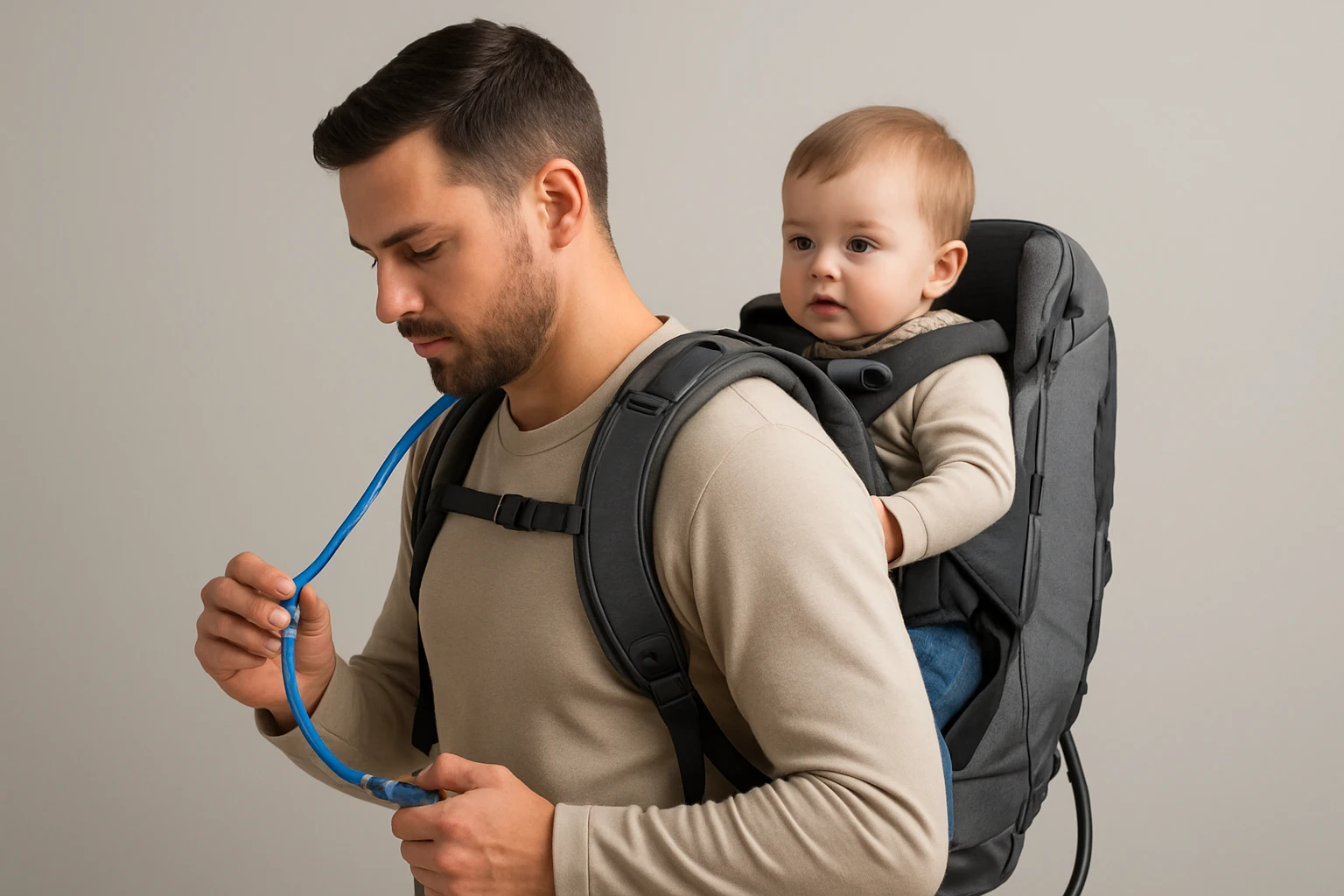
How to Integrate a Hydration Pack with a Baby Carrier: Step‑By‑Step Setup & Safety Tips
Introduction
Active parents often face the challenge of staying hydrated while keeping their infant close and comfortable. This guide explains how to combine a hydration backpack with a baby carrier so that one can enjoy hiking, walking, or running without sacrificing safety or convenience. Readers will learn the required equipment, a detailed setup process, practical tips, and troubleshooting advice. By following these instructions, one can maintain proper posture, ensure the baby’s ergonomic support, and keep water within easy reach during outdoor activities.
What You’ll Need
- TAB Beige Baby Carrier Wrap – ergonomic, adjustable, and safety‑certified carrier.
- Maelstrom Hydration Backpack 2L – lightweight pack with a 2 L insulated water bladder.
- Soft, breathable baby blanket (optional for extra warmth).
- Lightweight rain jacket for the parent (optional for weather protection).
Step 1: Prepare the Baby Carrier
Begin by laying the TAB Beige Baby Carrier Wrap on a flat surface with the fabric side facing up. Adjust the carrier to a size that matches one’s body measurements; the wrap spans from XXS to XXXL, allowing for postpartum changes and growth of the child. Secure the carrier by threading the fabric through the ergonomic ring sling, ensuring that the baby’s hips are positioned in the natural “M‑shape” for healthy hip development. Finally, perform a quick safety check: the carrier should feel snug but not restrictive, and the baby’s chin must be clear of the fabric to maintain an open airway.
Step 2: Inspect the Hydration Backpack
Unpack the Maelstrom Hydration Backpack 2L and verify that the aluminum‑lined bladder is clean and properly seated in its sleeve. The backpack weighs approximately 1.1 lb and includes four storage pockets, a helmet clip, and reflective strips for visibility. Adjust the chest straps, which range from 22.4 in to 61 in, to achieve a comfortable, balanced fit before adding any weight. Ensure that the ventilated back panel is free of debris, as this feature prevents sweat buildup during extended activity.
Step 3: Position the Hydration Pack on the Body
Place the backpack on one’s shoulders, positioning the main compartment centered between the scapulae. Tighten the shoulder straps so that the pack rests evenly without sliding, and then secure the chest strap across the sternum. The chest strap distributes the load and prevents the pack from shifting while the baby carrier is in use. Verify that the reflective strips are visible on the front and back, especially if one intends to exercise during low‑light conditions.
Step 4: Attach the Baby Carrier Over the Backpack
With the backpack securely in place, lift the TAB Beige Baby Carrier Wrap and drape it over the shoulders, allowing the carrier’s fabric to rest on top of the backpack’s shoulder straps. Because the carrier is designed like a t‑shirt, it slides on with one‑handed ease, preserving the parent’s ability to adjust the hydration pack simultaneously. Align the carrier’s ring sling so that it sits just above the backpack’s chest strap, creating a stable anchor point for the baby’s weight.
Step 5: Secure the Baby in the Carrier
Gently place the infant into the carrier, ensuring that the baby’s head is supported and the shoulders are positioned within the carrier’s ergonomic pocket. Pull the carrier’s fabric snugly around the baby’s torso, then tie the adjustable knots to achieve a balanced distribution of weight across both shoulders and the back. The breathable fabric of the carrier reduces heat buildup, which is crucial when the parent’s back is already insulated by the hydration pack’s mesh panel. Perform a final check: the baby’s chin should be visible, the hips should be spread, and the carrier should feel secure without excessive pressure.
Step 6: Connect the Hydration Hose
Locate the hose ports on the shoulder straps of the Maelstrom Hydration Backpack. Thread the hose through the port, ensuring that it does not interfere with the carrier’s straps or the baby’s movement. Clip the mouthpiece to a convenient position on the chest strap so that one can sip water without removing the backpack. Test the flow by squeezing the bladder gently; the water should travel smoothly through the hose, providing hands‑free hydration during the activity.
Step 7: Perform a Mobility Test
Before embarking on a long walk or hike, walk a short distance while carrying the infant and sipping water from the bladder. Observe any shifting of the backpack or carrier, and adjust the straps as needed to maintain a neutral spine posture. Pay attention to the baby’s comfort signals; if the infant appears unsettled, re‑check the carrier’s fit and the positioning of the hydration pack. This trial run helps identify potential pressure points and ensures that the combined setup remains stable.
Tips & Pro Tips
- Use the carrier’s built‑in nursing sling feature for discreet feeding without removing the backpack.
- Fill the water bladder with cold water or add ice cubes; the aluminum lining retains temperature for up to six hours.
- Keep the front pocket of the hydration pack free of heavy items; store small essentials such as keys, phone, and snacks.
- During hot weather, apply a lightweight, breathable rain jacket over the backpack to shield both the parent and the baby from direct sun.
- Periodically check the CPSC and CPSIA safety certifications on the carrier to ensure continued compliance.
Troubleshooting
Problem: The backpack slides down the back while walking.
Solution: Tighten the chest strap and adjust the shoulder straps so that the pack sits higher on the shoulders. If the issue persists, reposition the carrier’s fabric to create additional friction against the backpack.
Problem: The baby feels too warm.
Solution: Remove the carrier’s outer layer and replace it with a thin, breathable blanket. Ensure that the hydration pack’s back panel remains ventilated to allow airflow.
Problem: The hydration hose kinks when the parent bends.
Solution: Route the hose along the outer side of the carrier’s strap rather than underneath it, and use the hose clip to secure it in a straight line.
Conclusion
Integrating a hydration pack with a baby carrier enables active parents to remain hydrated while keeping their child safe and comfortable. By following the seven detailed steps, one can achieve a balanced load, maintain proper posture, and enjoy outdoor activities with confidence. The recommended TAB Beige Baby Carrier Wrap and Maelstrom Hydration Backpack 2L provide ergonomic support, safety certifications, and hands‑free hydration, making them ideal tools for this setup. One is encouraged to practice the mobility test regularly and adjust the equipment as needed to ensure ongoing safety and comfort.
Products Mentioned in This Guide
Frequently Asked Questions
Can I use any hydration pack with a baby carrier?
Choose a pack that’s slim, has external straps, and doesn’t interfere with the carrier’s buckles or the baby’s position.
How do I secure the hydration pack to the carrier?
Thread the pack’s shoulder straps through the carrier’s side loops and tighten both sets of straps so the pack sits close to your back.
What is the safe weight limit for a combined setup?
Follow the carrier’s infant weight limit (usually up to 20 lb) and keep the hydration bladder under 2 L (≈4.4 lb) to maintain balance.
Will the hydration bladder affect my baby’s posture?
If the pack is positioned high and centered, it supports your spine and does not compress the carrier, preserving the baby’s ergonomic support.
How do I clean the hydration pack while using it with a carrier?
Remove the bladder, rinse it with mild soap, let it air‑dry, and wipe the exterior straps of the pack with a damp cloth before reattaching.