How to Negotiate the Best Price When Buying a Used Baby Carrier: Safety Checks, Questions to Ask, and Bargaining Tips
Introduction
Purchasing a used baby carrier can provide significant savings while still delivering the safety and comfort that parents require. This guide will teach the reader how to evaluate a pre‑owned carrier, what questions to ask the seller, and which negotiation techniques yield the most favorable price. By following the steps outlined below, one can protect the infant, avoid costly mistakes, and achieve a purchase that feels both responsible and rewarding.
The information presented is based on industry best practices and real‑world experiences of parents who have successfully bought used carriers. It balances thorough safety verification with practical bargaining strategies, ensuring that the reader is equipped to make an informed decision. The guide also recommends three highly regarded carriers that can serve as benchmarks for quality, durability, and ergonomic design.
What You'll Need
- Smartphone or notebook for taking photos and notes during the inspection.
- Measuring tape to verify strap lengths and carrier dimensions.
- Basic cleaning supplies such as mild detergent and a soft brush.
- Reference to reputable carrier models for comparison, such as the Infantino Flip 4-in-1 Baby Carrier, the MABĒ Monarch Baby Carrier, and the WildBird Aerial Buckle Wrap.
Step 1: Verify the Carrier’s Authenticity and Condition
The first step is to confirm that the carrier is genuine and has not been compromised by wear, damage, or counterfeit parts. Ask the seller for the original packaging, tags, or any receipts that prove purchase from an authorized retailer. Examine the stitching, buckles, and fabric for signs of fraying, discoloration, or missing components. If the carrier includes removable pads or head supports, ensure that they are intact and free of tears.
When inspecting the carrier, compare its features with those of a known high‑quality model. For example, the Infantino Flip 4-in-1 Baby Carrier offers four carrying positions, padded shoulder straps, and a wide waist belt that distributes weight evenly. Verify that the used carrier you are evaluating provides similar ergonomic elements, such as a supportive seat that maintains the baby’s hips in the natural “M” position.
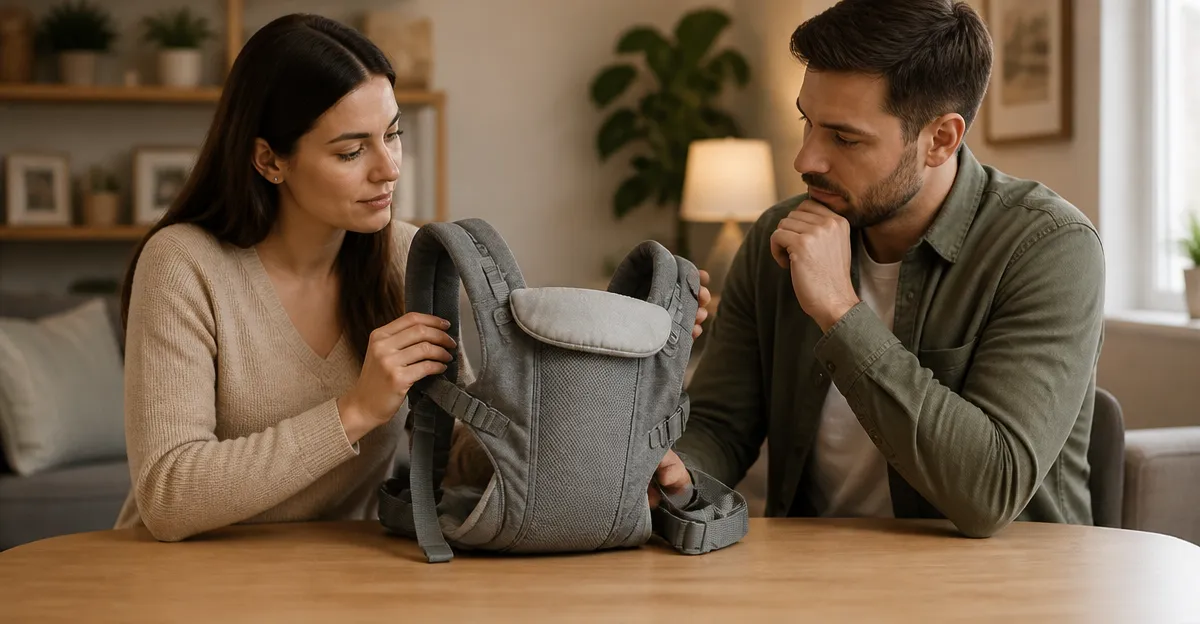
Take clear photographs of the carrier from multiple angles and document any imperfections. These images become valuable evidence during price negotiations, allowing you to reference specific wear when proposing a discount.
Finally, check the carrier’s compliance with safety standards. Look for certification labels such as ASTM, CE, or JPMA. If the carrier lacks certification, consider it a red flag and adjust your offer accordingly.
Step 2: Conduct a Fit and Safety Test
Even a carrier in excellent visual condition may not be safe if its structural integrity is compromised. Perform a simple load test by gently pulling on the straps and buckles to ensure they hold firm without slipping or cracking. If possible, attach a weight equivalent to the carrier’s maximum load rating and observe whether the seams remain secure.
Next, evaluate the carrier’s fit for both the caregiver and the infant. Measure your waist and shoulder width, then compare them to the carrier’s adjustable range. The MABĒ Monarch Baby Carrier features customizable straps and a deep seat that promotes proper hip development, making it an excellent reference for ergonomic fit. If the used carrier’s adjustments do not accommodate your body type, you may need to negotiate a lower price or decline the purchase.
Inspect the head support and padding for any loss of firmness. A worn head support can pose a risk of the baby’s head slipping forward, especially for newborns. Replaceable or washable padding is a desirable feature; carriers lacking this may require additional investment after purchase.
Document the results of your safety test in your notes. A carrier that passes all checks can justify a higher offer, while any deficiencies provide leverage for a discount.
Step 3: Research Market Value and Set a Target Price
Before entering negotiations, gather data on the current market price for both new and used versions of the carrier model. Use reputable sources such as Amazon, manufacturer websites, and reputable second‑hand marketplaces. For instance, the new Infantino Flip 4-in-1 Baby Carrier typically retails for around $70, while the MABĒ Monarch Baby Carrier is priced near $120. The WildBird Aerial Buckle Wrap often sells for approximately $80.
Adjust these figures based on the carrier’s condition, age, and any missing accessories. A well‑maintained carrier in like‑new condition may command 70‑80% of the new price, whereas a carrier with visible wear may be valued at 40‑50% of the retail price. Establish a target price that reflects a fair discount while leaving room for negotiation.
Write down your target price and the maximum amount you are willing to pay. This range will guide your bargaining strategy and prevent emotional overspending.
Remember to factor in any additional costs, such as cleaning supplies or replacement parts, when calculating your overall budget.
Step 4: Prepare Your Negotiation Script
Approach the conversation with a clear, respectful script that outlines your observations and offers. Begin by complimenting the seller on the carrier’s overall condition, then present your findings. For example: "I appreciate how well you have cared for this carrier. I noticed minor wear on the shoulder straps and a small tear in the fabric near the buckles. Based on these factors, I would feel comfortable offering $45."
Use objective data to support your offer. Reference the market price you researched and the specific defects you documented. This demonstrates that your proposal is grounded in facts rather than arbitrary numbers.
Be prepared to answer common seller objections. If the seller claims the carrier is "like new," respond by highlighting the safety test results and any missing accessories. Offer a compromise, such as meeting halfway between your initial offer and the seller’s asking price.
Maintain a friendly tone throughout the negotiation. Building rapport can lead to a more favorable outcome, as sellers are often more willing to reduce the price for a courteous buyer.
Step 5: Close the Deal and Arrange Safe Transfer
Once an agreement is reached, confirm the final price in writing, preferably through the platform’s messaging system. Specify the payment method, meeting location, and any additional items included, such as a cleaning kit or spare padding.
If you are meeting in person, choose a public, well‑lit location. Bring a portable cleaning solution to wipe down the carrier before taking it home. This immediate cleaning step eliminates lingering odors and reduces the risk of transferring germs to the infant.
After the transfer, perform a final inspection to ensure the carrier matches the condition described. If any new issues arise, discuss them promptly with the seller to reach a mutually acceptable resolution.
Finally, register the carrier with the manufacturer if possible. Some brands allow owners to register second‑hand units, which can provide access to warranty extensions or safety alerts.
Tips & Pro Tips
- Always prioritize safety over price. A carrier that fails to meet ergonomic standards can cause long‑term health issues for the baby.
- Leverage the seller’s urgency. If the carrier has been listed for an extended period, the seller may be more motivated to accept a lower offer.
- Consider bundling. Offering to purchase additional accessories, such as a washable cover or extra padding, can create a win‑win scenario and justify a modest price increase.
- Use the “silence” technique. After presenting your offer, remain silent and allow the seller to fill the gap. This often leads to a better concession.
- Check for recalls. Search the carrier’s model number on the Consumer Product Safety Commission (CPSC) website before finalizing the purchase.
Troubleshooting
Problem: The carrier’s buckles feel loose during the safety test.
Solution: Negotiate a price reduction to account for the cost of replacing the buckles. Alternatively, request that the seller replace the buckles before finalizing the sale.
Problem: The carrier lacks the original head support.
Solution: Verify whether an aftermarket head support compatible with the carrier is available. Adjust your offer to reflect the additional expense of purchasing a compatible component.
Problem: The seller refuses to lower the price despite documented wear.
Solution: Politely decline the offer and continue your search. There are often multiple listings for the same model, and patience can result in a better deal.
Conclusion
Negotiating the best price for a used baby carrier requires diligent safety checks, thorough market research, and confident communication. By following the steps outlined in this guide, one can protect the infant, secure a fair price, and acquire a carrier that will serve the family for years to come. Remember that the ultimate goal is to combine affordability with the highest standards of safety and comfort.
Armed with these strategies, the reader is encouraged to approach every used‑carrier transaction with confidence, knowledge, and a clear plan for success.
Products Mentioned in This Guide
Infantino Flip 4-in-1 Baby Carrier
Price: Approximately $70 (new). Rating: Not available.
Key features include four carrying positions, padded shoulder straps, wide waist belt, and machine‑washable fabric.
MABĒ Monarch Baby Carrier
Price: Approximately $120 (new). Rating: Not available.
Features premium cotton‑linen blend, three ergonomic carry positions, hip‑healthy "M" seat, and easy machine washing.
WildBird Aerial Buckle Wrap
Price: Approximately $80 (new). Rating: 4.3 out of 5 stars (287 reviews).
Provides wrap‑like coziness with buckle convenience, CloudBlend fabric, padded waist belt, and OEKO‑TEX certification.
Frequently Asked Questions
What safety checks should I perform on a used baby carrier before buying?
Inspect the straps, buckles, and fabric for wear, tears, or missing parts, and verify that the carrier meets current safety standards.
Which questions are essential to ask the seller about a pre‑owned carrier?
Ask about the carrier’s age, usage frequency, any accidents or repairs, and whether all original components are included.
How can I determine if the carrier’s size and weight limits are suitable for my baby?
Check the manufacturer’s specifications for weight capacity and measure the carrier’s dimensions against your baby’s size.
What negotiation tactics work best when pricing a used baby carrier?
Start with a lower offer based on any wear, cite comparable listings, and be ready to walk away if the price isn’t reasonable.
Are there specific brands or models that are recommended as reliable used options?
Highly regarded models like the Ergobaby Omni, BabyBjörn One, and Lillebaby Complete are known for durability and ergonomic support.