The Ultimate Guide to Seasonal Storage for Baby Carriers: Expert Mold-Prevention Tips
Introduction
Seasonal storage of baby carriers presents a unique challenge for caregivers who wish to maintain hygiene and durability. This guide outlines the science of mold growth, practical moisture‑control methods, and product recommendations that protect carriers during dormant periods. Readers will learn how to assess storage environments, select appropriate containers, and implement preventative routines that extend the life of their gear. By the end of this article, one will possess a comprehensive toolkit for safe, long‑term carrier storage.
Background/Context
Baby carriers are constructed from fabrics such as cotton, polyester, and mesh, each possessing varying degrees of breathability and water absorption. When stored in humid or poorly ventilated spaces, these materials become breeding grounds for mold spores, which can cause unpleasant odors, skin irritation, and structural degradation. Understanding the relationship between relative humidity, temperature fluctuations, and microbial growth is essential for effective prevention. The following sections build upon this foundation to present actionable strategies.
Understanding Seasonal Storage Challenges
During winter, indoor heating often lowers ambient temperature while simultaneously raising indoor humidity, creating a paradoxical environment for carriers. Conversely, summer heat accelerates moisture evaporation, yet high outdoor humidity can infiltrate storage areas through walls or closets. The combination of limited airflow and confined spaces further compounds the risk of condensation on fabric surfaces. Recognizing these seasonal patterns enables caregivers to tailor storage solutions to the specific climate they face.
Moisture Management
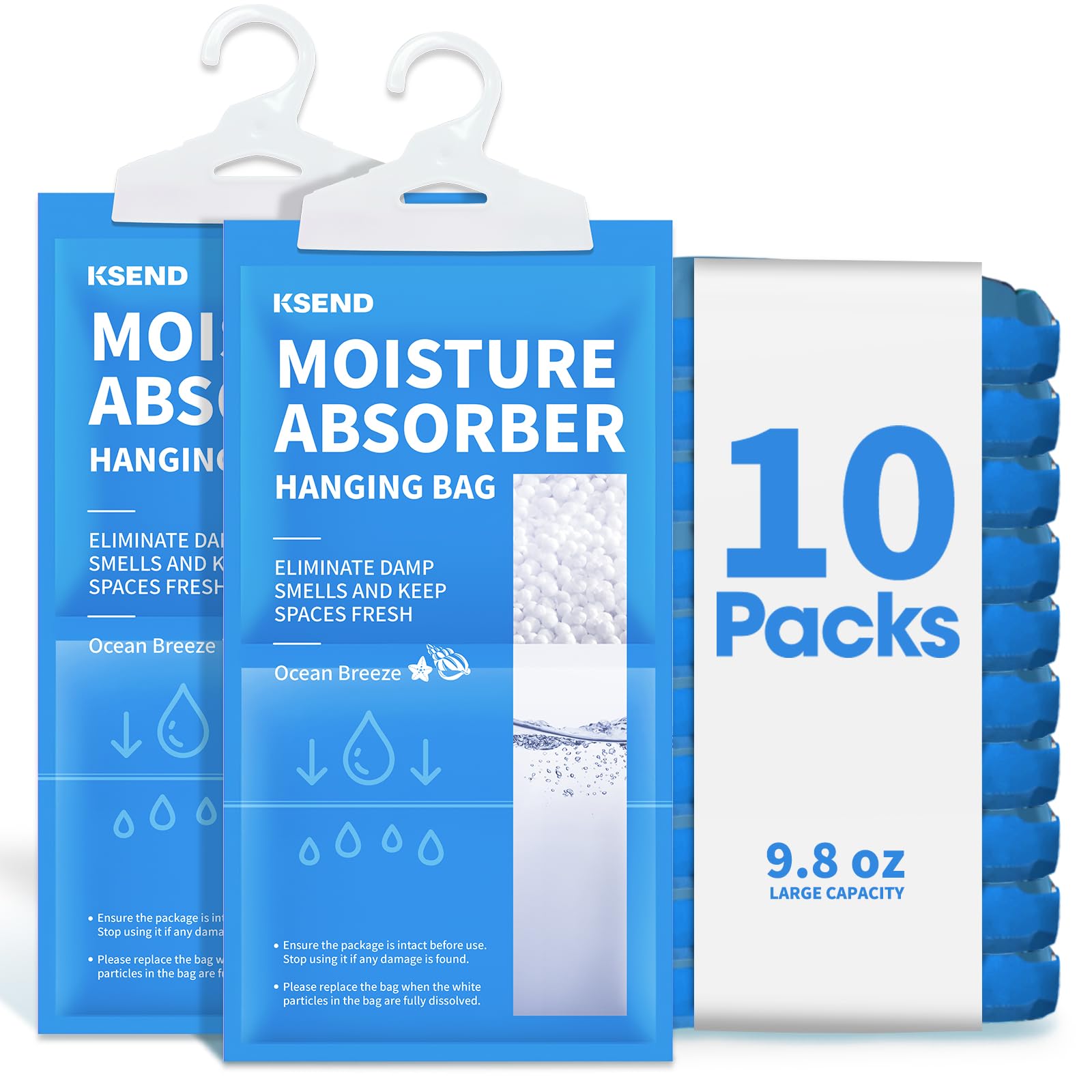
Effective moisture management begins with measuring the relative humidity of the storage area using a digital hygrometer. Ideal storage humidity ranges between 30% and 50%; values above 60% dramatically increase mold probability. To maintain this range, absorbent products such as Ksend Moisture Absorber Bags can be strategically placed among carrier bundles. Each bag contains calcium chloride that captures excess water vapor for up to 30 days, providing a low‑maintenance solution for closets, basements, or garage shelves.
Choosing the Right Storage Containers
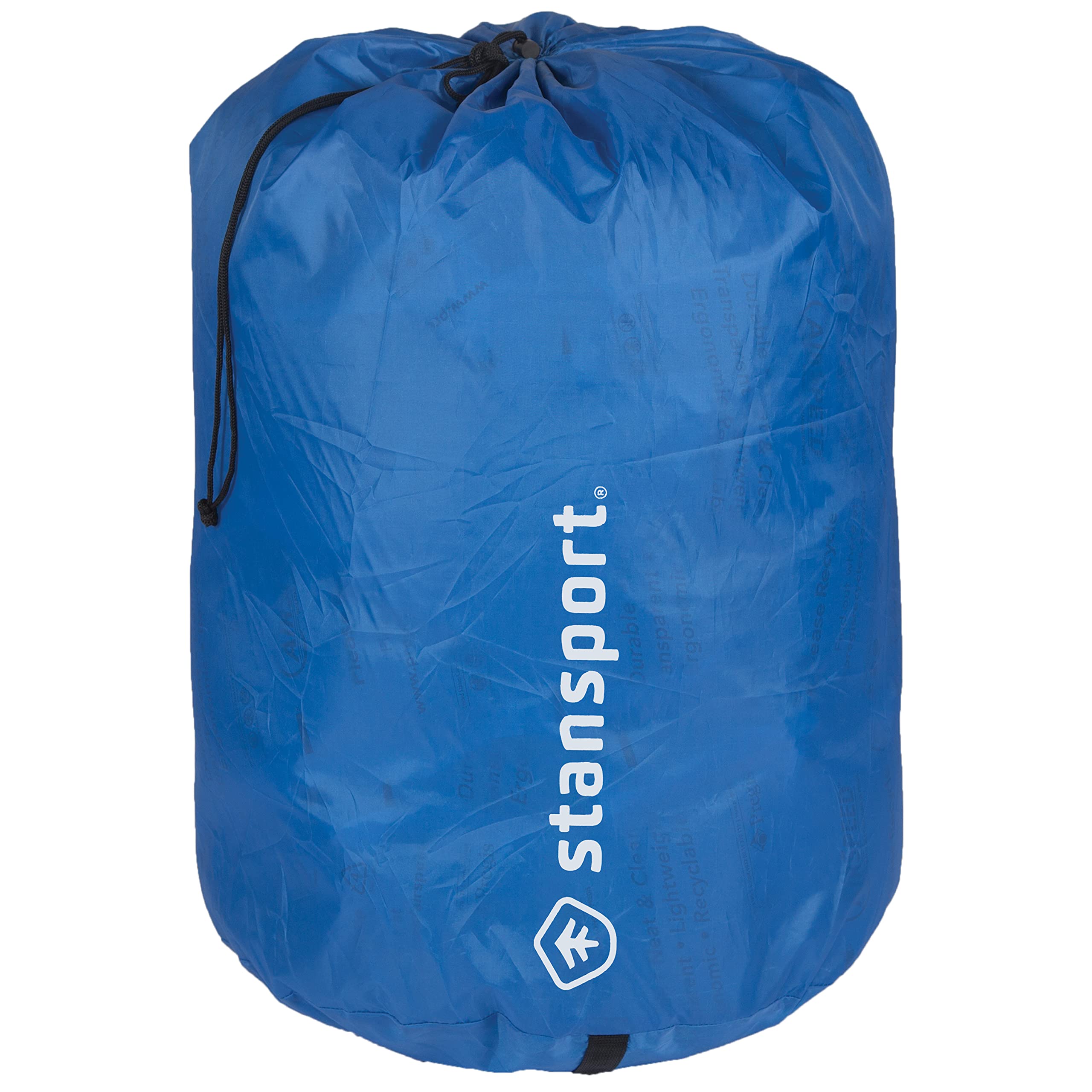
Storage containers must balance protection from dust with breathability to avoid trapped moisture. Rigid plastic bins with gasketed lids shield carriers from external contaminants but can become micro‑climates if sealed tightly. A superior approach incorporates breathable yet water‑repellent bags such as the Stansport Stuff Bag. Constructed from water‑repellent Oxford nylon, these 1‑liter bags feature a drawstring closure with cord lock and a square bottom that maximizes interior volume. Their durable material allows air circulation while preventing liquid ingress, making them ideal for seasonal storage of carriers and accessories.
Protecting Baby Carriers from Mold
Before placing carriers in any container, it is crucial to clean them according to the manufacturer’s instructions, ensuring that all residues are removed. After washing, carriers should be completely dried—preferably air‑dried in a well‑ventilated area—to eliminate residual moisture that could foster mold growth. Once dry, carriers can be folded loosely to avoid compression that impedes airflow, then inserted into breathable storage solutions. Adding a small sachet of silica gel or a Vitscan Bamboo Charcoal Air Purifying Bag further absorbs lingering humidity and neutralizes odors.
Air Purification Strategies
Air purification complements moisture control by removing mold spores that may already be present in the storage environment. Activated bamboo charcoal, as found in Vitscan Bamboo Charcoal Air Purifying Bags, offers a natural, fragrance‑free method to adsorb volatile organic compounds and microbial particles. Each bag contains up to 150 g of high‑surface‑area charcoal, capable of absorbing odors and excess moisture for up to two years when re‑activated under sunlight for two hours monthly. Distributing several bags throughout a closet or storage cabinet creates a diffusion field that continuously cleans the air surrounding the carriers.
Comparison/Selection Guide
| Feature | Stansport Stuff Bag | Ksend Moisture Absorber Bags | Vitscan Bamboo Charcoal Bags |
|---|---|---|---|
| Primary Function | Protective storage with water‑repellent fabric | Humidity absorption (up to 30 days per pack) | Air purification and odor removal |
| Material | Oxford nylon (water‑repellent) | Calcium chloride in permeable paper | Activated bamboo charcoal |
| Capacity/Size | 1 L (5" × 11") | 10 packs, each 9.8 oz | 6 × 50 g & 6 × 150 g packs |
| Price (USD) | $7.19 | $15.19 | $20.68 |
| Amazon Rating | 4.7/5 (297 reviews) | 4.6/5 (463 reviews) | 4.2/5 (31,954 reviews) |
| Best For | Storing carriers, accessories, and small gear | Controlling humidity in closets, basements, and garages | Neutralizing odors and absorbing residual moisture |
Best Practices & Tips
- Measure humidity weekly; adjust absorber quantity if levels exceed 55%.
- Rotate carriers every three months to allow fresh air exposure and prevent static buildup.
- Place a thin layer of breathable fabric (e.g., muslin) between carriers and container walls to promote airflow.
- Re‑activate bamboo charcoal bags under direct sunlight for two hours each month to restore adsorption capacity.
- Store carriers away from direct heat sources, as high temperatures can degrade elastic components.
- Label each storage bin with the date of packing to track age and schedule periodic inspections.
FAQ
1. How often should I replace moisture absorber bags?
When the white calcium chloride crystals have fully dissolved and the collecting bag appears saturated, the absorber has reached its capacity and should be replaced. For most climates, a 10‑pack set lasts approximately one month before replacement is necessary.
2. Can I use regular plastic bags instead of breathable storage solutions?
Regular plastic bags trap moisture and create a micro‑environment conducive to mold growth. Breathable options like the Stansport Stuff Bag allow air circulation while still protecting against dust and spills.
3. Do bamboo charcoal bags need to be replaced?
Bamboo charcoal bags can be reused indefinitely if re‑activated under sunlight for two hours each month. Their adsorption capacity diminishes over time, but proper maintenance extends their functional life up to two years.
4. Is it safe to store carriers with a slight scent of detergent?
Residual detergent can attract mold spores; therefore, carriers should be rinsed thoroughly and fully dried before storage. Using fragrance‑free charcoal bags helps neutralize any lingering scent without adding chemicals.
5. What temperature range is optimal for storage?
An ambient temperature between 60°F and 75°F (15°C‑24°C) paired with humidity below 55% provides the most stable environment for fabric‑based carriers.
6. Can I store carriers outdoors during summer?
Outdoor storage is not recommended due to exposure to rain, UV degradation, and fluctuating humidity. If outdoor storage is unavoidable, use a waterproof, breathable container and monitor humidity closely.
Conclusion
Seasonal storage of baby carriers does not have to be a source of anxiety when caregivers apply scientific moisture management, proper container selection, and air purification techniques. By integrating products such as the Stansport Stuff Bag, Ksend Moisture Absorber Bags, and Vitscan Bamboo Charcoal Air Purifying Bags, one can create a resilient storage system that safeguards carriers against mold, odors, and structural wear. Consistent monitoring, periodic rotation, and adherence to the best‑practice checklist ensure that carriers remain clean, functional, and ready for the next adventure.
Products Featured in This Guide

Stansport Stuff Bag
Price: $7.19 | Rating: 4.7/5 (297 reviews)
Featured for its water‑repellent Oxford nylon construction, drawstring closure with cord lock, and square bottom that maximizes storage space, making it ideal for protecting baby carriers during seasonal storage.

Ksend Moisture Absorber Bags
Price: $15.19 | Rating: 4.6/5 (463 reviews)
Featured for its efficient humidity removal using spherical calcium chloride, visible dehumidification, and up to 30‑day performance per pack, providing essential moisture control for carrier storage environments.

Vitscan Bamboo Charcoal Air Purifying Bags
Price: $20.68 | Rating: 4.2/5 (31,954 reviews)
Featured for its natural, fragrance‑free odor absorption, long‑lasting moisture control, and ability to be re‑activated under sunlight, offering an eco‑friendly solution to maintain fresh air around stored baby carriers.
Frequently Asked Questions
What humidity level is safe for storing baby carriers to prevent mold?
Keep relative humidity below 60 % (ideally 30‑50 %) to inhibit mold growth.
How should I clean a baby carrier before seasonal storage?
Wash according to the manufacturer’s instructions, dry thoroughly, and allow it to air‑dry completely before packing.
Which storage containers are best for protecting carriers from moisture?
Use breathable fabric bags or rigid containers with silica‑gel packets, avoiding airtight plastic that can trap humidity.
Can I use a dehumidifier or dryer sheets to keep carriers mold‑free?
Yes, a small dehumidifier or moisture‑absorbing packets placed in the storage area helps maintain low humidity.
How often should I inspect stored baby carriers for mold?
Check them every 1‑2 months; if you notice any odor or discoloration, re‑air and clean the carrier immediately.