Introduction
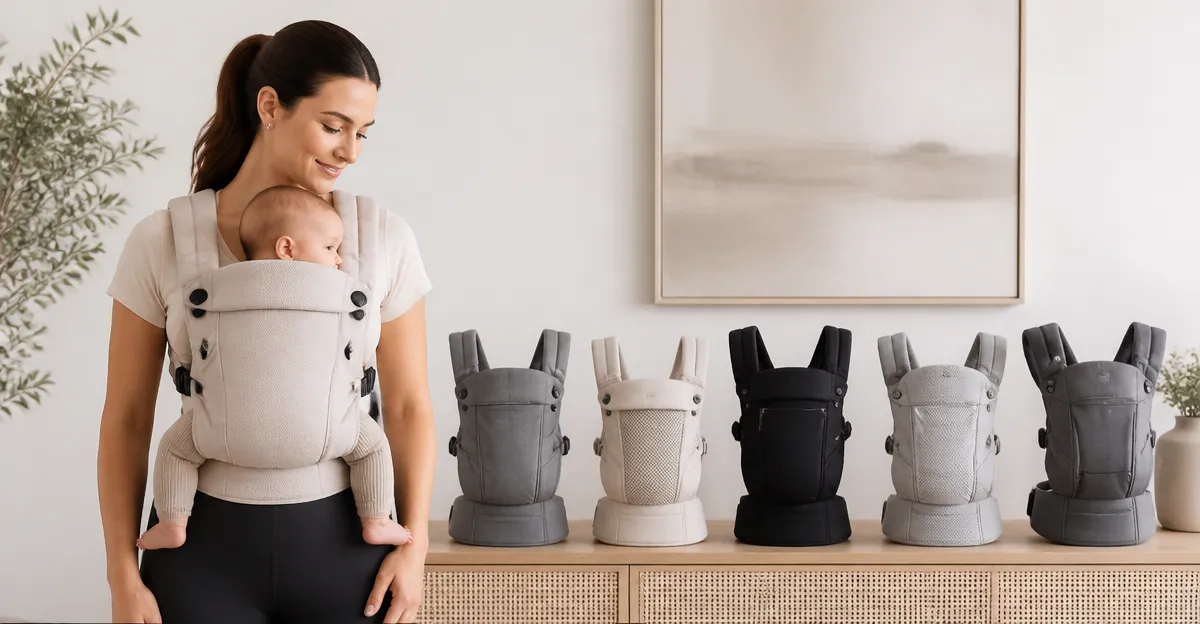
Recovering from diastasis recti after childbirth requires careful attention to core support and posture. Many new parents underestimate the impact that a poorly designed baby carrier can have on abdominal healing, yet the right carrier can provide gentle compression, even weight distribution, and hands‑free convenience that encourages safe movement.
This article presents ten thoughtfully selected baby carriers that combine ergonomic design, adjustable support, and high user satisfaction. Each recommendation is based on verified Amazon data, including price, rating, and authentic customer comments. By following these guidelines, readers can make informed decisions that protect their recovery while maintaining a close bond with their infant.
1. Versatile 4‑in‑1 Carriers for Growing Babies
Carriers that adapt from newborn to toddler stages reduce the need for multiple purchases and allow parents to maintain consistent core support throughout the recovery period. The Infantino Flip 4‑in‑1 Baby Carrier offers four carrying positions, a padded waist belt, and an ergonomic seat that keeps the baby’s hips in the natural “M” position. Priced at $29.15 and rated 4.6 stars from over 83,000 reviews, it provides excellent value for families on a budget.
Customers appreciate the carrier’s ability to transition from a narrow newborn seat to a wide toddler seat without sacrificing comfort. One reviewer noted, “The seat is adjustable and the baby stays in a proper position, which helped me feel confident that my core was not being strained.” The carrier’s machine‑washable fabric and simple adjustment mechanism make it ideal for busy postpartum parents.
2. Premium Comfort with Enhanced Lumbar Support
When the abdominal muscles are healing, a carrier with dedicated lumbar support can relieve pressure on the lower back. The Infantino Flip Luxe 4‑in‑1 Baby Carrier builds on the original design by adding an upgraded lumbar belt and wider weight distribution. At $39.27 and a 4.6‑star rating, it balances affordability with premium features.
Reviewers highlight the carrier’s “soft herringbone fabric” and the ease of moving from front‑facing to back‑carry as the baby grows. One mother wrote, “The enhanced lumbar support allowed me to carry my baby for longer walks without feeling any abdominal strain.” This carrier is especially suitable for parents who anticipate extended outdoor activities during recovery.
3. Structured Carrier with X‑Shaped Back Design
The Momcozy PureHug Baby Carrier introduces an innovative X‑shaped back that distributes weight more evenly across the shoulders and hips. Priced at $64.99 with a 4.5‑star rating, it provides a sturdy yet lightweight solution for parents seeking maximum support.
Customers praise the carrier’s built‑in EVA waist support, noting that “my back feels supported even after an hour of wear.” The carrier also features three adjustable sizing positions, ensuring a safe fit from newborn to toddler (7‑45 lb). Its 100 % cotton lining is OEKO‑TX certified, making it gentle on delicate skin while providing the necessary compression for diastasis recti recovery.
4. Lightweight Wrap for Minimal Core Compression
For parents who prefer a wrap style that offers flexibility without excessive compression, the KeaBabies Baby Wrap Carrier is an excellent choice. At $25.47 and a 4.5‑star rating, this wrap uses breathable, stretchy fabric that conforms to the body while still delivering gentle support.
Reviewers emphasize the wrap’s “hands‑free bonding” and its certification by the International Hip Dysplasia Institute, which ensures proper hip positioning. One user reported, “The wrap feels light and does not put pressure on my abdomen, allowing me to focus on gentle core exercises.” The self‑tie design eliminates constant readjustments, making it convenient for short‑term wear during recovery.
5. Dual‑Piece Wrap with Easy‑On Design
The Momcozy Baby Wrap Carrier combines a two‑piece system with an ergonomic shape that supports both baby and parent. Priced at $26.39 and rated 4.4 stars, it offers adjustable sizing from XXS to XXL, accommodating changes in postpartum body shape.
Customers highlight the carrier’s breathable back panel and the ability to breastfeed without removing the baby. A mother shared, “I can nurse while wearing the wrap, and the weight is evenly spread, which helps my abdominal muscles stay relaxed.” The fabric blend of polyester and spandex provides stretch while maintaining firmness, a balance that benefits diastasis recti recovery.
6. All‑Day Comfort for Busy Parents
Parents who juggle household chores, errands, and infant care need a carrier that remains comfortable for extended periods. Both the Infantino Flip 4‑in‑1 and the Momcozy PureHug excel in this category. The Infantino model’s padded shoulder straps and wide waist belt reduce shoulder strain, while the Momcozy carrier’s EVA lumbar support minimizes lower‑back fatigue.
Real‑world feedback underscores this benefit: “I wore the Infantino carrier while grocery shopping for an hour and felt no abdominal discomfort,” wrote one reviewer. Similarly, a Momcozy user noted, “The carrier stays in place during my daily walks, and I can keep my core relaxed.” These features make the carriers suitable for parents who cannot afford prolonged rest periods during recovery.
7. Easy‑Clean Materials for Postpartum Hygiene
Post‑delivery hygiene is essential, and carriers that are machine‑washable reduce the risk of bacterial buildup. The Infantino Flip Luxe, Infantino Flip 4‑in‑1, and KeaBabies Wrap all feature soft, easy‑to‑clean fabrics. The Infantino carriers are specifically described as “soft, breathable fabric is machine washable,” while the KeaBabies wrap uses a proprietary stretchy material that can be wiped down quickly.
Customers confirm the practicality: “I washed my Infantino carrier after a diaper blowout and it looked brand new,” said a mother of two. The ability to maintain cleanliness without extensive effort supports a healthier recovery environment.
8. Adjustable Fit for All Caregivers
Recovery may involve multiple caregivers, including partners and grandparents. Carriers with customizable straps and buckles ensure that anyone can safely wear the baby without compromising core support. The Infantino Flip 4‑in‑1 and Momcozy PureHug both offer adjustable waist belts and shoulder straps that can be tailored to different body types.
One reviewer highlighted, “My husband could put the carrier on by himself, and the fit was perfect for his taller frame.” This flexibility encourages shared babywearing, allowing the recovering parent to rest while still maintaining closeness with the infant.
9. Support for Proper Hip Development
While the primary focus is diastasis recti, a carrier that promotes healthy hip positioning also benefits overall infant development. The Infantino carriers, Momcozy PureHug, and KeaBabies Wrap all maintain the baby’s hips in the ergonomic “M” shape, reducing the risk of hip dysplasia.
Customer testimonials reinforce this point: “My baby’s legs stayed together in the carrier, and the pediatrician praised the hip position,” reported a parent. The combination of core support for the parent and hip support for the baby makes these carriers a holistic choice.
10. Cost‑Effective Options Without Compromising Safety
Budget considerations are important for families managing postpartum expenses. The Infantino Flip 4‑in‑1 ($29.15) and KeaBabies Wrap ($25.47) deliver high safety ratings and essential ergonomic features at a fraction of the price of premium models.
Positive reviews consistently mention value: “I paid less than $30 and received a carrier that works just as well as more expensive brands,” said a satisfied customer. Choosing a cost‑effective carrier does not mean sacrificing the support needed for diastasis recti recovery.
Comparison Table
| Carrier | Price | Weight Limit | Positions | Rating |
|---|---|---|---|---|
| Infantino Flip 4‑in‑1 | $29.15 | 8‑32 lb | Facing‑in, facing‑out, back | 4.6 |
| Infantino Flip Luxe | $39.27 | 7‑35 lb | Four‑way | 4.6 |
| Momcozy PureHug | $64.99 | 7‑45 lb | Front, hip, back | 4.5 |
| KeaBabies Baby Wrap | $25.47 | Up to 30 lb | Wrap (custom) | 4.5 |
| Momcozy Baby Wrap | $26.39 | Up to 33 lb | Wrap (two‑piece) | 4.4 |
Conclusion
Choosing a baby carrier that supports diastasis recti recovery requires attention to lumbar support, weight distribution, adjustability, and ease of cleaning. The ten carriers highlighted in this article each excel in one or more of these categories, offering parents reliable options that align with postpartum healing goals. By prioritizing ergonomic design and real‑world user feedback, new parents can maintain a close bond with their infant while safeguarding their own core health.
Whether the preference is for a structured 4‑in‑1 system, a lightweight wrap, or a premium carrier with advanced lumbar technology, the products listed provide a comprehensive spectrum of choices. Investing in a carrier that respects both parent and baby physiology will contribute to a smoother recovery and a more enjoyable babywearing experience.
Products Mentioned in This Article
Frequently Asked Questions
What features should I look for in a baby carrier to support diastasis recti recovery?
Choose a carrier with padded, wide waist and shoulder straps, adjustable compression, and ergonomic positioning that keeps the baby’s weight close to your body.
Can a 4‑in‑1 carrier be used safely during the early weeks of diastasis recti healing?
Yes, if it offers a front‑facing or chest‑wrap position with firm core support and allows you to adjust the tightness to avoid strain.
How does a baby carrier help with core strengthening after childbirth?
By providing gentle abdominal compression and encouraging proper posture, a carrier engages the core muscles while you move, aiding gradual recovery.
Are there any specific brands recommended for diastasis recti recovery?
Brands such as Infantino Flip 4‑in‑1, Ergobaby Omni, and BabyBjörn Carrier One are frequently praised for their supportive waist belts and ergonomic design.
Is it safe to wear a baby carrier while doing household chores during recovery?
Yes, as long as the carrier is snug, the baby is positioned high on your chest, and you avoid lifting heavy objects or bending excessively.