
Introduction
Parents often find themselves with gently used baby carriers after their children outgrow them or transition to new models. This guide explains how to identify the most profitable resale channels, evaluate market demand, and price items effectively. Readers will learn which online marketplaces, local options, and specialty platforms deliver the highest returns in 2026. Additionally, the article highlights three highly rated carriers that exemplify features that boost resale value.
Background and Context
Used baby carriers represent a niche yet growing segment of the second‑hand market, driven by environmentally conscious families and cost‑savvy shoppers. According to industry reports, the resale market for infant gear increased by 18 percent in the past year, reflecting broader trends toward circular consumption. Understanding the key attributes that influence a carrier’s resale appeal—such as ergonomic design, durability, and brand reputation—helps sellers position their items competitively. Moreover, awareness of platform fees, shipping policies, and buyer expectations is essential for maximizing net profit.
Understanding the Market for Used Baby Carriers
The resale value of a carrier depends on three primary factors: condition, feature set, and brand perception. Carriers in excellent condition with intact buckles, straps, and cushions typically command 60‑80 percent of the original retail price. Features that promote infant health, such as hip‑healthy seats and ergonomic weight distribution, are especially attractive to discerning buyers. Brands with strong customer loyalty, like Momcozy, KeaBabies, and MOMTORY, often retain higher resale prices because their products have established trust through positive reviews and certifications.
Top Platforms to Sell Used Baby Carriers
Several platforms dominate the resale landscape for baby gear. Each offers distinct advantages regarding audience reach, fee structure, and ease of use.
- eBay: Ideal for reaching a nationwide audience; offers auction and fixed‑price formats; final value fees range from 10‑12 percent.
- Facebook Marketplace: Enables local transactions with no fees; buyers can inspect items before purchase, reducing return risk.
- Poshmark: Primarily fashion‑focused but includes a growing “Kids & Baby” category; flat 20 percent commission simplifies cost calculations.
- Kid to Kid (K2K): A niche consignment service specializing in gently used children’s items; handles photography, listing, and shipping for a 25 percent commission.
- OfferUp: Mobile‑first platform with strong local presence; free listings with optional paid promotions.
When selecting a platform, sellers should weigh the trade‑off between exposure and fees. For high‑value carriers, eBay’s broader reach may outweigh its commission, whereas local platforms minimize shipping costs for bulky items.
When to Use a Marketplace vs. Consignment
Marketplace listings empower sellers to set their own price, negotiate directly with buyers, and retain full control over the transaction. This approach works well for carriers with unique features that attract niche buyers. Conversely, consignment services like K2K handle logistics and provide professional photography, which can be beneficial for sellers lacking time or marketing expertise. Consignment typically results in a lower net price due to higher commissions, but the convenience factor often justifies the expense for busy parents.
How Product Features Influence Resale Value
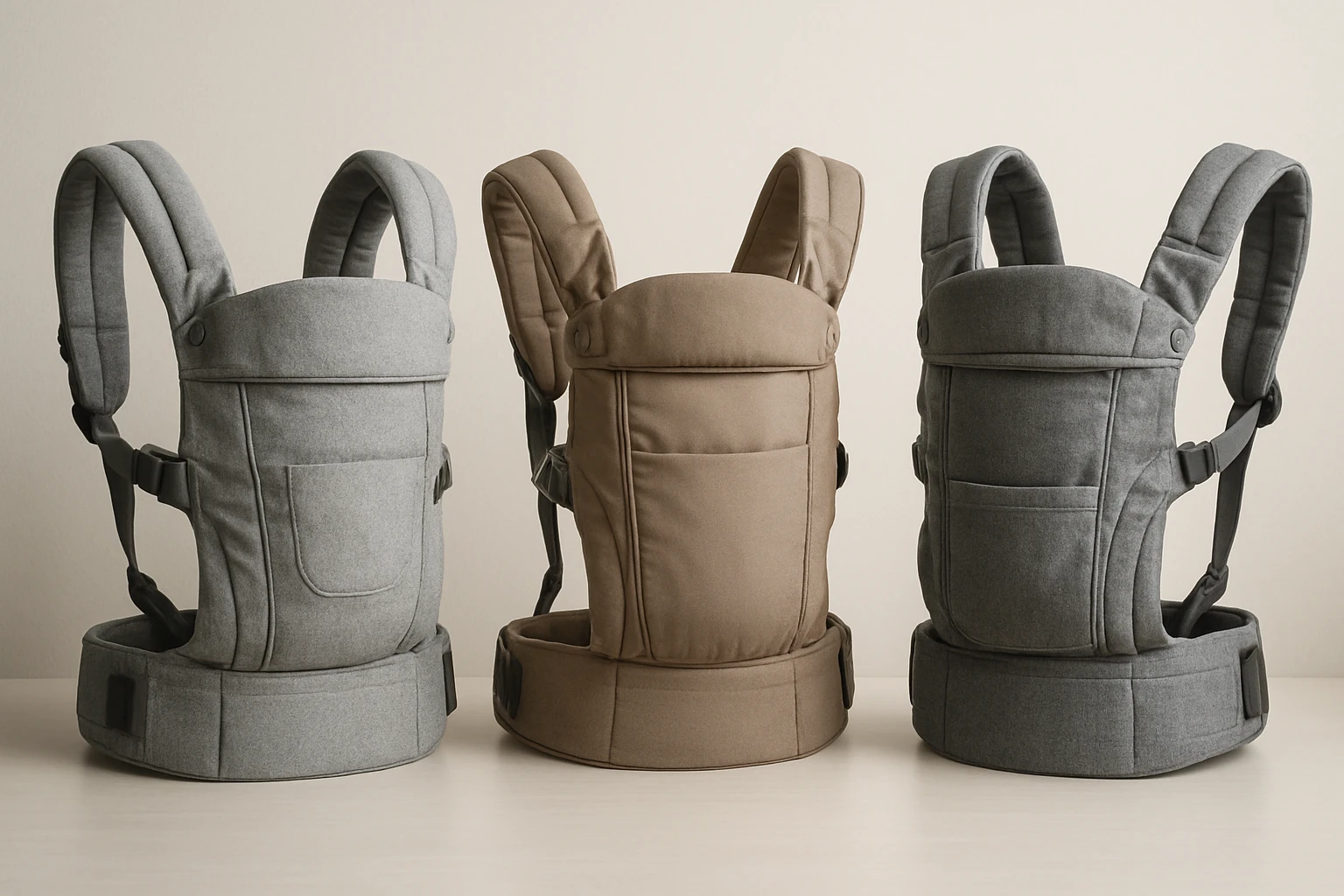
Carriers that incorporate ergonomic designs, such as hip‑healthy seats and 3‑D waist support, tend to retain higher resale values because they address parental concerns about infant development. For example, the Momcozy 2-in-1 Hip Seat Baby Carrier offers a firm, wide seat that promotes a natural M‑shaped sitting position, a feature highlighted in its 4.5‑star rating from 669 reviews. Buyers often cite the carrier’s six‑way positioning and instant‑wear X‑structure as decisive factors in their purchase decision.
The KeaBabies Baby Wrap Carrier emphasizes ergonomic weight distribution and certification by the International Hip Dysplasia Institute, which appeals to health‑conscious parents. Its breathable, stretchy fabric and self‑tie design contribute to a comfortable fit, supporting a 4.5‑star rating from over 28,000 reviewers. These attributes often allow sellers to list the wrap at 70‑80 percent of its original $29.96 price.
The MOMTORY 6-in-1 Baby Carrier combines six carrying positions with a soft tummy protective core, earning a 4.6‑star rating from 1,710 reviews. Its versatile design, integrated pocket storage, and drool bib make it attractive for parents seeking an all‑in‑one solution, supporting resale prices near 75 percent of its $59.99 list price.
Comparison/Selection Guide
To help sellers choose the optimal platform, the following table compares key criteria across popular channels:
| Platform | Audience Reach | Fees | Shipping Required | Best For |
|---|---|---|---|---|
| eBay | National/International | 10‑12% final value | Yes | High‑value carriers, broad exposure |
| Facebook Marketplace | Local | None | No (local pickup) | Quick sales, bulky items |
| Poshmark | Fashion‑focused | 20% flat | Yes | Stylish carriers, brand‑aware buyers |
| K2K Consignment | Specialty baby‑gear shoppers | 25% commission | Handled by service | Convenience, professional listings |
| OfferUp | Local | None (optional promos) | No (local pickup) | Fast, low‑effort sales |
Consider the carrier’s condition and price point when selecting a platform. High‑priced, well‑maintained carriers benefit from eBay’s extensive buyer pool, while lower‑priced items may sell faster locally.
Best Practices & Tips
- Clean and sanitize the carrier thoroughly before photographing; a spotless product increases perceived value.
- Take high‑resolution photos from multiple angles, highlighting key features such as hip‑seat cushions, buckles, and fabric texture.
- Provide detailed measurements (e.g., waist size compatibility, weight capacity) to reduce buyer uncertainty.
- Include the original receipt or proof of purchase when possible; this builds trust and justifies a higher asking price.
- Set a realistic price based on condition, original retail price, and comparable listings; aim for 60‑80 percent of the new price for excellent condition.
- Offer bundled accessories (e.g., extra padding, storage pockets) to differentiate your listing and command a premium.
Frequently Asked Questions
1. How long should I keep a used carrier before selling it?
Most carriers retain resale value for up to three years if they remain in good condition and meet current safety standards. After this period, wear and evolving safety regulations may reduce demand.
2. Are there any safety concerns when reselling used baby carriers?
Inspect all buckles, straps, and fabric for signs of wear, fraying, or broken components. If any safety features are compromised, it is advisable to disclose the issue or refrain from selling.
3. Which platform yields the highest profit for premium carriers?
eBay often provides the highest net profit for premium carriers because it attracts a national audience willing to pay closer to the original price, despite the modest fees.
4. Can I sell a carrier that was used for a newborn and later for a toddler?
Yes, carriers with multiple configurations—such as the Momcozy 2-in-1 Hip Seat Baby Carrier—are especially marketable because they demonstrate versatility across growth stages.
5. How do I handle shipping for bulky carriers?
Use padded boxes and consider adding a flat‑rate shipping label to simplify costs. Offering free shipping can attract more buyers, but be sure to factor the expense into your final price.
6. Is it worth offering a return policy?
Providing a short, limited return window (e.g., 7 days) can increase buyer confidence, especially on platforms like eBay, but ensure the policy does not erode your profit margin.
Conclusion
Reselling used baby carriers can be both financially rewarding and environmentally responsible when approached strategically. By selecting the appropriate platform, pricing based on condition and feature set, and presenting the carrier with professional images and clear descriptions, sellers can achieve top dollar in 2026. Remember to prioritize safety, highlight ergonomic benefits, and leverage the strong brand reputations of carriers such as the Momcozy 2-in-1 Hip Seat Baby Carrier, KeaBabies Baby Wrap Carrier, and MOMTORY 6-in-1 Baby Carrier to attract health‑conscious parents seeking quality second‑hand gear.
Products Featured in This Guide
Momcozy 2-in-1 Hip Seat Baby Carrier
Price: $79.99
Rating: 4.5/5.0 (669 reviews)
Featured for its six‑way positioning, hip‑healthy support, and instant‑wear X‑structure that enhance resale appeal.
KeaBabies Baby Wrap Carrier
Price: $29.96
Rating: 4.5/5.0 (28,348 reviews)
Featured for its ergonomic weight distribution, IHDI certification, and breathable self‑tie design that attract health‑focused buyers.
MOMTORY 6-in-1 Baby Carrier
Price: $59.99
Rating: 4.6/5.0 (1,710 reviews)
Featured for its six carrying positions, soft tummy protective core, and integrated pocket storage that add functional value for resale.

