Healthy Hip Positioning in Baby Carriers: The Complete Guide to Hip‑Safe, Ergonomic Babywearing
Introduction
The practice of babywearing offers parents hands‑free convenience while fostering close bonding. However, not all carriers support the anatomical needs of a developing hip joint. This guide explains the principles of hip‑safe positioning, reviews leading products, and provides actionable advice for safe babywearing. Readers will leave with a clear understanding of how to select and use carriers that protect infant hip health.
Background and Context
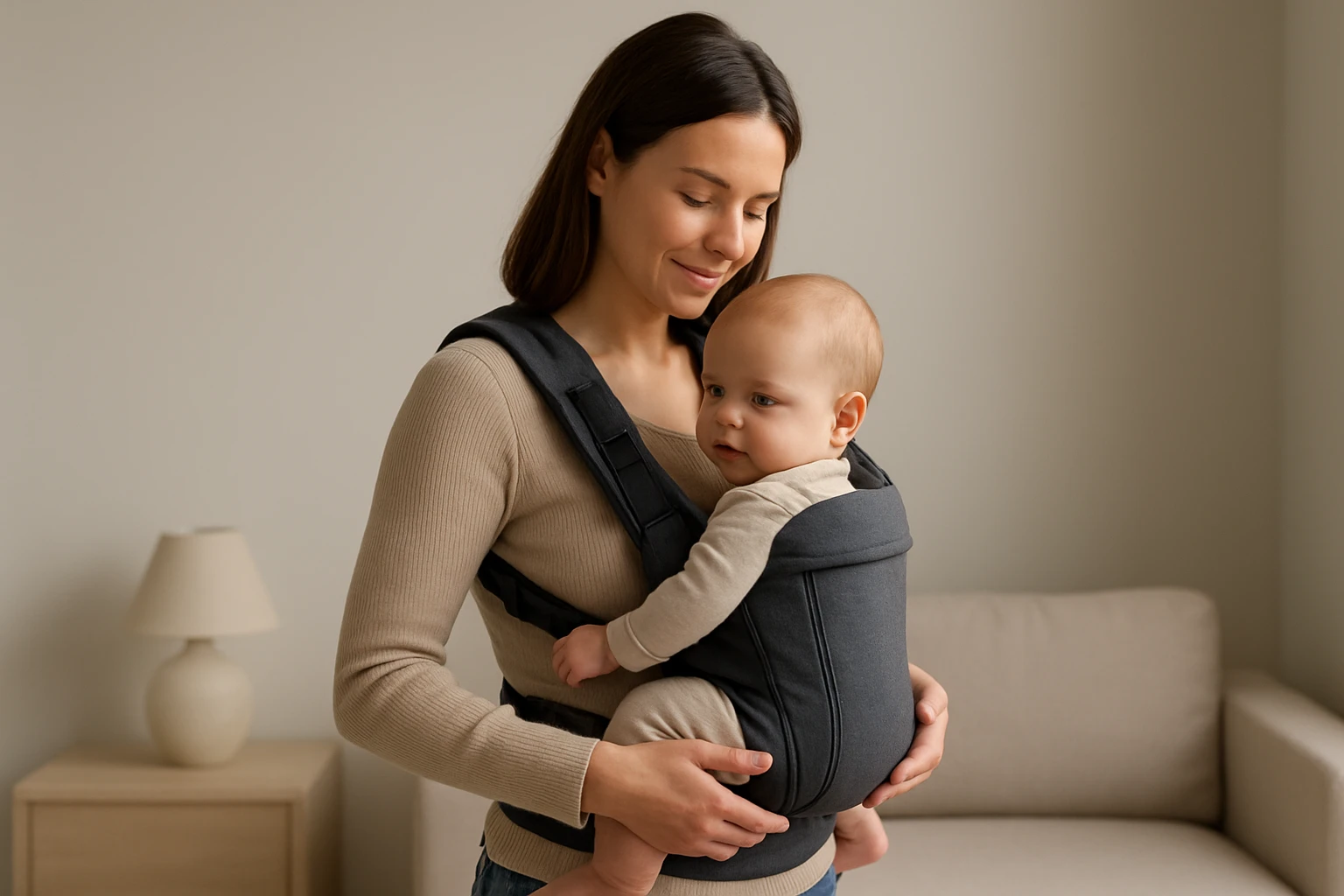
Infant hips are formed by a shallow socket called the acetabulum, which deepens as the child grows. When a carrier holds the legs in a natural “M” shape, the femur sits securely within the socket, reducing the risk of developmental dysplasia of the hip (DDH). The International Hip Dysplasia Institute recommends carriers that keep the thighs spread‑apart with knees higher than the hips. Understanding these biomechanical concepts is essential before evaluating any baby carrier.
Key Concepts for Hip‑Safe Babywearing
First, a carrier must allow the legs to assume the ergonomic "M" position, where the thighs are spread and the knees are slightly higher than the hips. Second, weight distribution across the caregiver’s shoulders and waist prevents strain and encourages longer wear times. Third, adjustability ensures that the carrier can grow with the child from newborn to toddler. Finally, breathable, machine‑washable fabrics improve comfort for both baby and caregiver during daily use.
Product Recommendations
Below are five carriers that meet the hip‑safe criteria while offering distinct features for different lifestyles.
Infantino Flip Baby Carrier
The Infantino Flip Baby Carrier provides four convertible positions, supporting newborn to toddler use (8‑32 lb). Its adjustable waist belt and padded shoulder straps distribute weight evenly, reducing caregiver fatigue. The carrier’s ergonomic seat promotes the recommended "M" position, and the floral navy print adds a stylish touch. With a 4.6‑star rating from over 81,000 reviews, it is a popular choice for families seeking versatility and comfort.
- Four carrying positions: facing‑in narrow, facing‑in wide, facing‑out, and back carry.
- Adjustable waist belt and shoulder straps for custom fit.
- Machine‑washable, breathable fabric.
- Price: $37.97, rating: 4.6/5.
Acumas Baby Carrier with Hip Seat
The Acumas Baby Carrier with Hip Seat emphasizes hip health with its M‑type seat that reduces hip joint force. Designed for 0‑36 months and up to 44 lb, it offers six carrying ways, including a hip‑seat configuration for older toddlers. Thickened shoulder straps and a wide waist belt spread the load across the caregiver’s torso, minimizing back strain. Its 4.6‑star rating from more than 1,000 reviewers highlights reliability and comfort.
- Six carrying positions, including hip‑seat for toddlers.
- Ergonomic M‑shaped seat promotes healthy hip development.
- Soft, breathable fabric suitable for all seasons.
- Price: $37.99, rating: 4.6/5.
BabyBjörn Mini Carrier (Gray Mesh)
The BabyBjörn Mini Carrier in gray mesh is engineered for newborns up to 25 lb, focusing on close contact and ease of use. Its 3D mesh material offers superior breathability, while the ergonomic seat maintains the "M" position. The carrier is praised for its quick front‑unfasten mechanism, allowing caregivers to lift a sleeping infant safely. With a 4.7‑star rating from over 1,100 reviews, it is a trusted option for early‑stage babywearing.
- Available in 3D mesh, jersey, satin‑woven cotton, and woven blend.
- Supports infants 7‑25 lb (up to 24 lb recommended for optimal hip positioning).
- Easy front‑unfasten for quick infant access.
- Price: $119.27, rating: 4.7/5.
BabyBjörn Mini Carrier (Dark Gray Jersey)
The BabyBjörn Mini Carrier Dark Gray Jersey offers the same ergonomic benefits as the mesh version, with a soft jersey fabric that retains warmth in cooler climates. It is suitable for infants up to 25 lb and maintains the hip‑healthy "M" posture endorsed by the International Hip Dysplasia Institute. Users note its durability and ease of cleaning, making it a practical choice for daily wear. The carrier holds a 4.7‑star rating from more than 1,400 reviewers.
- Jersey fabric provides extra warmth while remaining breathable.
- Hip‑healthy design validated by medical authorities.
- Machine‑washable on warm cycle (40 °C).
- Price: $104.39, rating: 4.7/5.
Bellababy Carrier with Hip Seat
The Bellababy Carrier with Hip Seat combines six carrying options with an M‑shaped seat that safeguards hip development. It accommodates children from newborn to 40 lb, making it a long‑term solution for growing families. Thickened straps and a lengthened waist belt distribute weight evenly, reducing caregiver spinal stress. With a 4.6‑star rating from over 3,400 reviews, it is recognized for its ergonomic design and versatile functionality.
- Six carrying methods, including hip‑seat for toddlers.
- Adjustable length belt up to 52 inches for diverse body types.
- Soft, breathable fabric suitable for all seasons.
- Price: $35.98, rating: 4.6/5.
Comparison and Selection Guide
When choosing a hip‑safe carrier, caregivers should evaluate four primary criteria: hip positioning, weight capacity, adjustability, and fabric performance. The table below compares the featured carriers across these dimensions.
| Carrier | Weight Range | Hip‑Safe Features | Adjustability | Price |
|---|---|---|---|---|
| Infantino Flip | 8‑32 lb | Convertible seat, "M" position | Waist belt, shoulder straps, seat width | $37.97 |
| Acumas Hip Seat | 0‑44 lb | M‑type seat, hip‑seat for toddlers | Custom straps, multiple carry modes | $37.99 |
| BabyBjörn Mini Mesh | 7‑25 lb | Hip‑healthy "M" position, medical endorsement | Simple front‑unfasten, limited size range | $119.27 |
| BabyBjörn Mini Jersey | 7‑25 lb | Hip‑healthy design, reinforced M‑position | Adjustable straps, easy cleaning | $104.39 |
| Bellababy Hip Seat | 7‑40 lb | M‑shaped seat, hip‑seat option | 52‑inches extendable belt, multiple straps | $35.98 |
Caregivers seeking a long‑term solution may prioritize carriers with higher weight limits, such as Acumas or Bellababy. Those who value quick infant access and breathable fabrics may prefer the BabyBjörn Mini Mesh. Price‑sensitive families will find the Infantino Flip and Bellababy options provide strong hip‑support at a lower cost.
Best Practices & Tips for Hip‑Safe Babywearing
- Always position the baby’s thighs spread apart with knees higher than hips; this creates the "M" shape essential for hip health.
- Check that the carrier’s seat width can be adjusted as the child grows; a narrow seat may cause hip strain.
- Distribute the baby’s weight across both shoulders and the waist belt to avoid caregiver back pain.
- Use the carrier for short periods initially, gradually increasing duration as both baby and caregiver become comfortable.
- Inspect the carrier regularly for worn straps or buckles, and follow the manufacturer’s washing instructions to maintain fabric integrity.
- Combine babywearing with supervised floor time; infants also benefit from tummy‑time and free‑movement activities.
By following these guidelines, caregivers can maximize the ergonomic benefits of any carrier while protecting the infant’s developing hips. Consistent monitoring and proper adjustment are key to long‑term success.
Frequently Asked Questions
1. How do I know if a carrier is truly hip‑healthy?
A hip‑healthy carrier maintains the "M" position, offers a wide seat, and is often endorsed by the International Hip Dysplasia Institute. Look for product descriptions that mention hip support or M‑shaped positioning.
2. Can I use a hip‑seat carrier for a newborn?
Most hip‑seat carriers are designed for infants who can sit with support, typically after the first three months. For newborns, choose a carrier with a fully supportive infant seat, such as the Infantino Flip or BabyBjörn Mini.
3. What is the ideal duration for daily babywearing?
There is no strict limit, but caregivers should aim for 1‑2 hours at a time, with breaks to allow both baby and adult to move freely. Gradually increase wear time as comfort improves.
4. How can I prevent shoulder strain while using a carrier?
Ensure the waist belt is snug and the shoulder straps are padded and positioned high on the shoulders. Adjust the straps so the carrier rests close to the body, distributing weight evenly.
5. Are there any fabrics I should avoid for hot climates?
Heavy, non‑breathable fabrics can cause overheating. Choose carriers with mesh or lightweight jersey, such as the BabyBjörn Mini Mesh, to promote airflow.
6. Do I need to register my carrier for warranty?
Most manufacturers offer limited warranties that require proof of purchase. Registering the product on the brand’s website can simplify warranty claims.
7. Is it safe to breastfeed while wearing a carrier?
Many carriers, including the Infantino Flip and Acumas Hip Seat, are designed for discreet nursing. Ensure the baby’s head is well supported and the carrier is positioned to allow easy access.
Conclusion
Hip‑safe babywearing combines scientific understanding of infant hip anatomy with practical carrier features. Selecting a carrier that maintains the "M" position, distributes weight evenly, and offers adjustability protects the child’s hips and reduces caregiver fatigue. By applying the best‑practice tips and using one of the recommended carriers, families can enjoy the convenience of babywearing while supporting healthy development.
Products Featured in This Guide
Infantino Flip Baby Carrier
Price: $37.97 | Rating: 4.6/5 (81,488 reviews)
Featured for its four convertible positions, adjustable waist belt, and ergonomic "M" seat that supports healthy hip development from newborn to toddler.
Acumas Baby Carrier with Hip Seat
Price: $37.99 | Rating: 4.6/5 (1,054 reviews)
Featured for its M‑type seat that reduces hip joint force, six carrying ways, and robust weight capacity up to 44 lb.
BabyBjörn Mini Carrier
Price: $119.27 | Rating: 4.7/5 (1,144 reviews)
Featured for its breathable 3D mesh fabric, quick front‑unfasten design, and medical endorsement for hip‑healthy positioning.
BabyBjörn Mini Carrier Dark Gray Jersey
Price: $104.39 | Rating: 4.7/5 (1,428 reviews)
Featured for its soft jersey fabric that provides warmth, hip‑healthy design, and easy machine‑washability.
Bellababy Carrier with Hip Seat
Price: $35.98 | Rating: 4.6/5 (3,494 reviews)
Featured for its six versatile carrying methods, M‑shaped hip‑support seat, and extended belt that fits caregivers of various sizes.