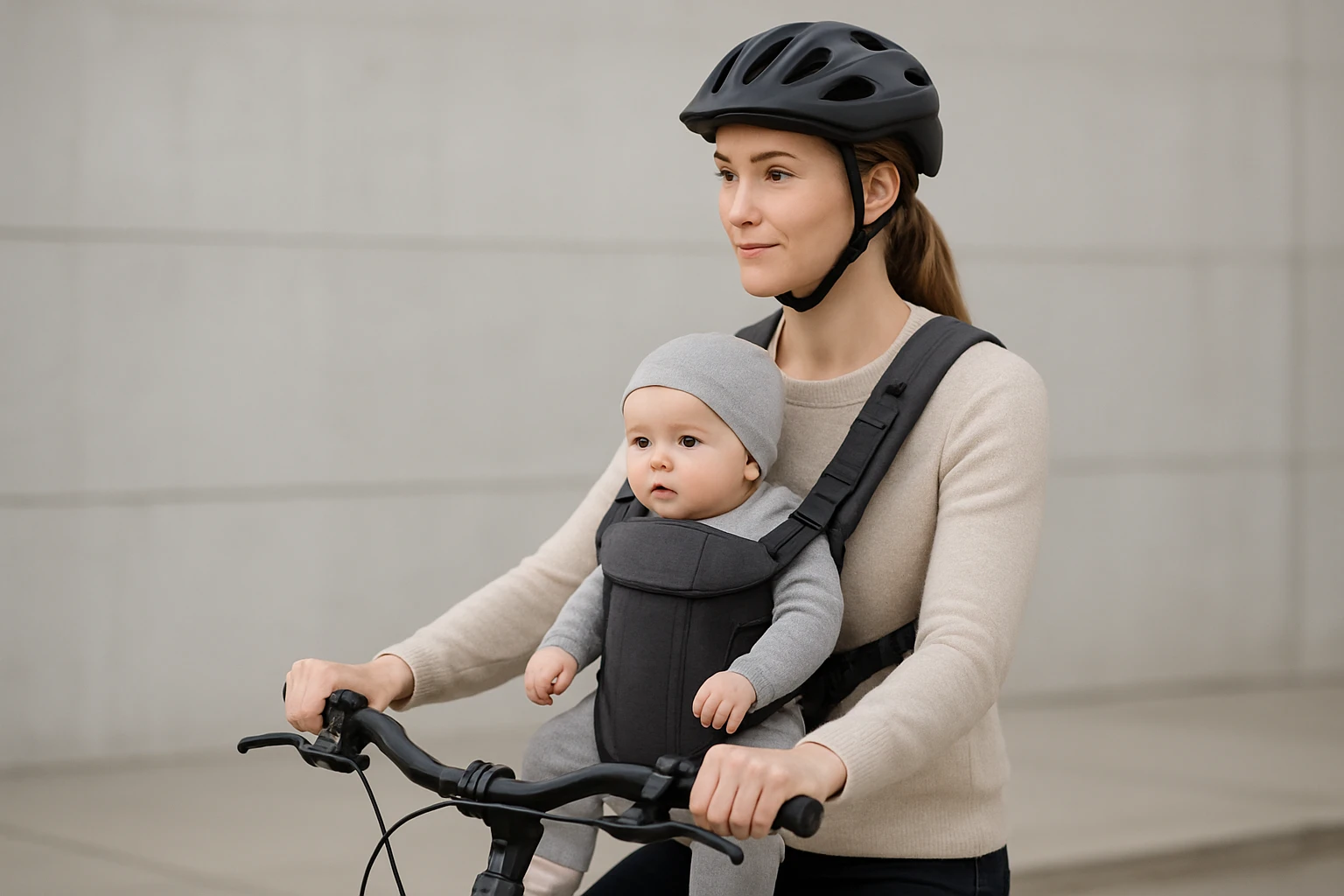
How to Bike with a Front Baby Carrier Safely: Step‑by‑Step Guide & Top Safety Tips
Introduction
Riding a bicycle while transporting a young child can be a rewarding experience, but it requires careful preparation and attention to safety. This guide will explain how to select, install, and use a front‑mounted baby carrier so that the rider maintains control and the child remains secure. By following the steps and recommendations presented, one can enjoy family outings, commuting trips, and weekend adventures with confidence.
The information provided is based on industry‑standard practices and real‑world product performance. Readers will learn how to assess compatibility, perform a proper installation, and apply practical riding techniques that reduce risk. The guide also highlights common pitfalls and offers solutions to ensure a smooth experience.
Although the guide references specific products, it remains valuable for anyone who prefers alternative equipment, because the underlying principles are universally applicable.
What You’ll Need
- PINNAMAX Front Bike Cargo Rack – a lightweight aluminium rack that mounts to the fork crown and provides a stable platform for bags or a child seat.
- XIEEIX Foldable Kids Bike Seat – a sturdy front‑mount seat with a padded harness and foldable design for easy transport.
- Auwey Front Mount Toddler Bike Seat – an adjustable seat with a safety harness, designed for children aged 2‑5 years.
- SHOWBEAN Front Mounted Kids Bike Seat – a seat featuring a 360° guardrail and detachable toddler handlebar.
- Allen keys or a basic bike tool set (often included with the rack).
- Protective helmet for the child, meeting local safety standards.
- Reflective clothing or lights for low‑light conditions.
Step 1: Choose the Appropriate Front Carrier
Before mounting any equipment, one must verify that the bicycle frame and fork are compatible with a front‑mounted system. The PINNAMAX Front Bike Cargo Rack is an excellent choice for this purpose because it attaches directly to the fork crown without requiring eyelets, making it suitable for most mountain, gravel, and touring bikes with wheel sizes from 26" to 29" or 700c.
Key features that make this rack valuable include:
- Construction from 6061‑T6 aluminium, providing high stiffness while remaining lightweight.
- Adjustable leg length (11"‑15.35") to accommodate a wide range of fork geometries.
- Maximum load capacity of 10 kg (22 lb), sufficient for a child seat and a small bag.
- All mounting hardware is supplied, allowing installation in minutes.
The rack is priced at $32.99 and holds a rating of 4.9 out of 5 based on 42 reviews, indicating strong customer satisfaction. Selecting a rack with these attributes ensures a solid foundation for the child seat, reducing the likelihood of wobble or steering interference.
Step 2: Install the Carrier Correctly
Proper installation is critical to safety. Follow these actions:
- Position the bike upside down or place it in a repair stand so that the fork crown is easily accessible.
- Place the rack’s mounting brackets over the fork crown, aligning the holes with the provided bolts.
- Insert the bolts through the brackets and tighten them with the supplied Allen key. Ensure that the bolts are snug but not over‑torqued, as excessive force can damage the fork.
- Adjust the leg extensions so that the basket sits level and does not interfere with the front wheel or brake cables. The legs should be locked in place using the built‑in clamps.
- Perform a final check by gently shaking the rack; there should be no movement. Tighten any loose screws before proceeding.
After installation, one should verify that the bike’s steering remains smooth and that the rack does not contact the front tire when turning sharply. A well‑installed rack distributes weight evenly and prevents the front wheel from wobbling, which is essential when a child is seated on the front.
Step 3: Secure Your Child Properly
Choosing a child seat that matches the rider’s bike and the child’s size is the next priority. Three highly rated options are presented below; each integrates with the PINNAMAX rack or can be mounted directly to the fork.
3A. XIEEIX Foldable Kids Bike Seat
The XIEEIX Foldable Kids Bike Seat offers a robust steel frame and a padded cushion, supporting children up to 66 lb (30 kg). Its foldable design allows the seat to be packed away when not in use, and a quick‑install wrench simplifies mounting.
- Safety harness and padded guardrail keep the child secure.
- Adjustable footrest accommodates growth from 1‑3 years.
- Compatible with most bicycles that have a cross‑bar width under 1.5 in.
Priced at $51.99 with a 4.1 rating from 432 reviews, this seat balances durability and convenience. It is especially suitable for families who travel frequently and need a portable solution.
3B. Auwey Front Mount Toddler Bike Seat
The Auwey Front Mount Toddler Bike Seat is designed for children aged 2‑5 years, supporting up to 48 lb (22 kg). It features a safety harness and a simple tool‑free installation, making it ideal for quick setup.
- Adjustable to fit flat or sloping top tubes on most mountain bikes.
- Barrier‑free design does not obstruct the rider’s handling.
- Lightweight aluminium construction reduces added front‑end weight.
At $32.99 and a rating of 4.6 from 116 reviews, this seat provides excellent value for riders who prioritize ease of installation and a low profile.
3C. SHOWBEAN Front Mounted Kids Bike Seat
The SHOWBEAN Front Mounted Kids Bike Seat distinguishes itself with a 360° padded guardrail and an attached toddler handlebar, offering additional stability for the child. Although it has no customer reviews yet, the product is marketed as a premium safety solution.
- Foldable anti‑slip footrests keep the child’s feet secure on longer rides.
- Adjustable frame height grows with the child.
- Quick‑mount design fits most adult mountain bikes.
Because it includes a dedicated handlebar, this seat is particularly useful for children who benefit from a handhold while learning to balance.
When selecting a seat, one should consider the child’s weight, age, and comfort preferences, as well as the compatibility with the chosen rack. All three seats can be attached to the PINNAMAX rack using the provided clamps or directly to the fork, depending on personal preference.
Step 4: Adjust Bike Handling and Balance
Adding weight to the front of the bicycle changes its steering dynamics. To maintain control, the rider should:
- Lower the seat height slightly to shift the rider’s centre of gravity rearward.
- Check tyre pressure; a slightly higher pressure in the front tyre improves steering response under load.
- Practice gentle, wide‑radius turns in a safe area before attempting tight corners.
- Engage the front brake gradually, as the added weight can increase stopping distance.
These adjustments help prevent front‑wheel wobble and ensure that the rider can react quickly to obstacles.
Step 5: Perform a Test Ride Without Load
Before placing a child on the seat, conduct a test ride with only the rack installed. Ride for at least five minutes on a flat surface, checking for any rattling or steering irregularities. If any issues are detected, re‑tighten the mounting bolts and verify that the rack is level.
After confirming smooth operation, install the child seat, secure the harness, and perform a short ride with the child seated but without additional cargo. Observe the child’s comfort and the bike’s handling. Make any necessary adjustments to footrest height or seat angle before embarking on longer journeys.
Tips & Pro Tips
- Always wear helmets. Both rider and child must wear properly fitted helmets that meet safety certifications.
- Use reflective gear. Attach lights or reflective stickers to the rack and seat to increase visibility.
- Check harnesses daily. Ensure that buckles are securely fastened and that the padding is not worn.
- Limit load. Do not exceed the rack’s 10 kg capacity; overloading can impair steering and increase the risk of accidents.
- Practice emergency stops. In a safe environment, practice braking while the child is seated to gauge stopping distance.
- Carry a repair kit. A mini‑pump, spare tube, and multi‑tool are essential for unexpected flats.
Troubleshooting
| Problem | Possible Cause | Solution |
|---|---|---|
| Rack rattles while riding | Loose mounting bolts or clamps | Tighten all bolts with the Allen key; re‑check after a short ride. |
| Steering feels heavy | Excessive front‑end weight or misaligned rack | Reduce cargo weight; ensure the rack sits level and does not contact the tyre. |
| Child feels insecure | Improper harness adjustment | Adjust the harness so that it is snug but not restrictive; verify that the padded guardrail is positioned correctly. |
| Seat does not fit fork | Cross‑bar width exceeds 1.5 in (for XIEEIX) or incompatible tube shape | Choose a seat model that matches the bike’s geometry, such as the Auwey or SHOWBEAN designs. |
Conclusion
By selecting a reliable front rack, installing it correctly, choosing a compatible child seat, and adjusting riding technique, one can bike with a front baby carrier safely and enjoyably. The steps outlined in this guide provide a systematic approach that reduces risk and enhances the overall experience for both rider and child. Remember to perform regular maintenance checks, respect load limits, and always prioritise safety above speed.
Products Mentioned in This Guide
Frequently Asked Questions
What factors should I consider when choosing a front‑mounted baby carrier for cycling?
Look for a carrier that matches your bike’s frame geometry, has a secure harness system, offers adequate padding, and is rated for the child’s weight and age.
How do I properly install a front baby carrier on my bike?
Follow the manufacturer’s instructions: attach the carrier’s base to the bike’s fork or handlebars, tighten all bolts, and verify that the carrier is level and firmly locked before riding.
What safety gear is essential for both rider and child?
The rider should wear a certified helmet, reflective clothing, and gloves, while the child needs a properly fitted helmet and a snug harness within the carrier.
Which riding techniques help maintain control with a front‑mounted carrier?
Keep a relaxed grip, lower your center of gravity, avoid sudden turns, and use gentle braking to compensate for the added front weight.
What common pitfalls should I avoid when biking with a front baby carrier?
Never exceed the carrier’s weight limit, avoid riding on rough terrain until you’re comfortable, and always check the harness and attachment points before each ride.