Introduction
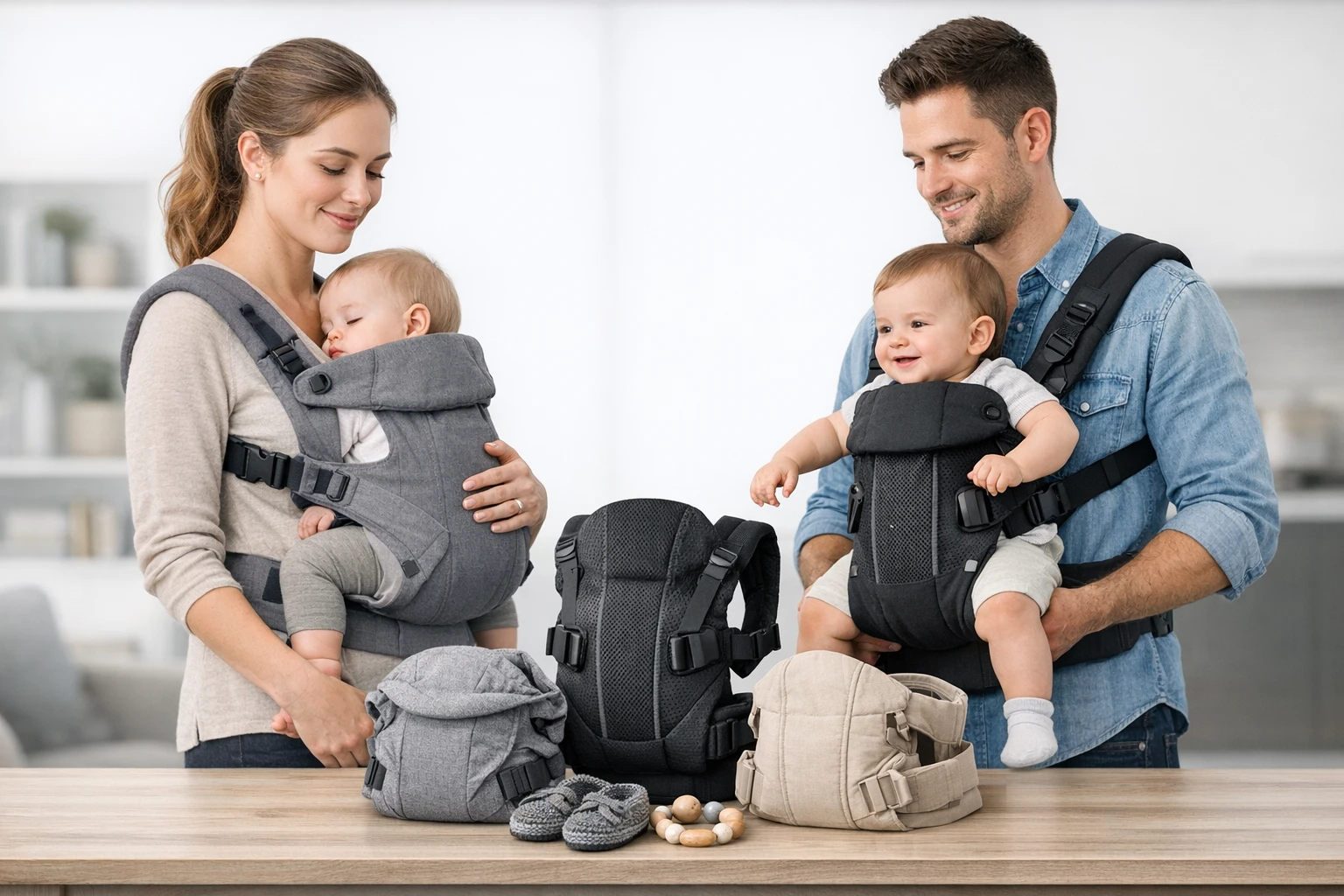
Active parents often juggle daily errands, outdoor adventures, and quality time with their infants. Selecting an ergonomic baby carrier that supports both child and caregiver can transform these challenges into enjoyable experiences. This guide explains essential concepts, compares leading carriers, and provides actionable tips for safe, comfortable use. Readers will leave with a clear understanding of how to match carrier features to lifestyle needs and how to maintain optimal ergonomics during every outing.
Throughout the article, specific products are highlighted to illustrate key points. Each recommendation is based on real‑world data such as price, rating, and user feedback, ensuring that the advice remains grounded in practical experience.
Background & Context
Ergonomic baby carriers are designed to distribute a child’s weight across the caregiver’s hips, waist, and shoulders, reducing strain on the lumbar spine. The underlying principle is the “M‑position” for hips and the “C‑shape” for the spine, which mimics the natural fetal posture and promotes healthy musculoskeletal development.
Modern carriers incorporate breathable fabrics, adjustable waist belts, lumbar support pads, and versatile positioning options such as front‑in, front‑out, hip, and back carry. Understanding these elements helps parents evaluate whether a carrier suits newborns, toddlers, or both.
Safety standards require carriers to support a minimum weight range, provide secure buckles, and prevent the child’s head from falling forward. Parents should also consider climate‑specific features like mesh panels for summer heat or insulated covers for colder environments.
Key Concepts and Product Recommendations
When evaluating carriers, focus on three core criteria: ergonomics, adaptability, and durability. The following sections describe each criterion and reference a product that exemplifies it.
Ergonomic Design
Ergonomic design minimizes back pain and encourages proper hip development. The besrey Baby Carrier with Hip Seat features a lumbar support pad, wide waist belt, and 360° positioning options, making it ideal for parents who experience chronic lower‑back discomfort.
Key specifications include a weight capacity of 7–45 lb, breathable mesh panels for temperature regulation, and a two‑year warranty that underscores the brand’s confidence in its ergonomic engineering.
Positive customer sentiment highlights the carrier’s ability to keep the child’s hips in the natural “M” position while relieving pressure on the caregiver’s spine.
Adaptability for Newborns
Newborns require additional head and neck support. The Momcozy Newborn Carrier offers a foldable neck pad, adjustable waist strap, and a C‑shape spine design that mimics the womb, ensuring safe positioning from 7 to 24 lb.
Its airmesh fabric provides superior breathability, while EVA waist support and three‑point shoulder distribution reduce fatigue during extended wear. Reviewers consistently praise the carrier’s ease of use for solo parents and its reliable head support for infants under six months.
Portability and Stretch
Parents who travel frequently need a carrier that folds compactly and adapts to varied body shapes. The Sleepy Wrap Stretchy Baby Sling delivers a lightweight, stretchy fabric that conforms to the caregiver’s torso without constant readjustment.
Its weight range of 7–35 lb covers newborns through early toddlers, and the wrap can be machine‑washed, making it a low‑maintenance option for busy families. Users appreciate the ability to nurse discreetly while wearing the sling and the ease of storage in a diaper bag.
Outdoor Hiking Support
For families that hike or attend festivals, a carrier with a sturdy frame and weather protection is essential. The besrey Baby Backpack Carrier includes a 3‑height adjustable seat, sun shade, rain cover, and padded hip belt that distributes weight evenly during long treks.
Its large storage compartment, insulated bottle holders, and foot stirrups enhance comfort for both child and caregiver. Reviewers note that the carrier’s frame folds into a compact carry bag, simplifying transport to and from trailheads.
Stylish Everyday Use
Parents who value aesthetics without compromising function may prefer the NEST BLANCHE Ergonomic Infant Carrier. This 4‑in‑1 carrier combines a sleek X‑shaped back design with padded leg openings, supporting infants from 7 to 35 lb.
The carrier’s breathable cotton fabric and adjustable straps accommodate postpartum body changes, making it suitable for a wide range of caregivers. Users frequently mention its elegant appearance and the seamless transition from newborn to toddler stages.
Comparison & Selection Guide
To assist readers in selecting the most suitable carrier, the table below compares the five featured products across critical dimensions.
| Product | Weight Range | Key Ergonomic Feature | Climate Adaptation | Price | Average Rating |
|---|---|---|---|---|---|
| besrey Hip Seat Carrier | 7‑45 lb | Lumbar support pad + 360° positions | Mesh panels, winter‑foldable | $49.99 | 4.4 (550 reviews) |
| Momcozy Newborn Carrier | 7‑24 lb | C‑shape spine + neck pad | Airmesh breathable fabric | $49.99 | 4.7 (225 reviews) |
| Sleepy Wrap Sling | 7‑35 lb | Custom stretch fit, no buckles | Stretchy breathable fabric | $24.99 | 4.5 (13,571 reviews) |
| besrey Backpack Carrier | 7‑45 lb | Adjustable 3‑height seat + hip belt | Sun shade, rain cover | $134.99 | 4.7 (512 reviews) |
| NEST BLANCHE Ergonomic Carrier | 7‑35 lb | X‑shaped back for weight distribution | Breathable cotton | $80.99 | 4.7 (392 reviews) |
When choosing a carrier, consider the primary activity (daily errands, hiking, travel), the age range of the child, and any personal ergonomic concerns such as lower‑back pain or shoulder fatigue. The table provides a quick reference to match these factors with the appropriate product.
Best Practices & Tips for Safe Use
- Check the Weight Limit. Never exceed the manufacturer’s stated capacity. Overloading can compromise the carrier’s structural integrity and increase the risk of injury.
- Position the Child Correctly. Ensure the baby’s knees are higher than the hips (the “M” position) to support healthy hip development. The carrier’s leg openings should be wide enough to allow natural leg spread.
- Distribute Weight Evenly. Adjust the waist belt so that most of the load rests on the hips rather than the shoulders. This reduces lumbar strain, especially on longer walks.
- Secure All Buckles. Double‑check that quick‑release buckles and safety straps are fully engaged before each use. Perform a quick “shake test” to confirm stability.
- Maintain Breathability. In warm climates, choose carriers with mesh panels or breathable fabrics (e.g., the besrey Hip Seat Carrier mesh panel) to prevent overheating.
- Practice Proper Lifting. When placing the child into the carrier, bend at the knees, keep the back straight, and engage core muscles. This technique protects the caregiver’s spine.
- Regularly Inspect for Wear. Examine buckles, straps, and fabric for signs of fraying. Replace components promptly to maintain safety standards.
Following these practices ensures that both caregiver and child experience the full ergonomic benefits of the carrier while minimizing potential hazards.
Frequently Asked Questions
- Can I use a carrier for both newborns and toddlers? Yes. Carriers such as the besrey Hip Seat Carrier and the NEST BLANCHE Carrier support a wide weight range (up to 45 lb), allowing seamless transition from infant to toddler.
- How do I know if the carrier fits my body type? Adjust the waist belt and shoulder straps so that the carrier feels snug but not restrictive. The carrier should sit low on the hips, with the shoulder straps forming a “V” shape across the back.
- Is it safe to wear a carrier while driving? Most carriers are designed for short periods of walking or standing. For vehicle travel, use a proper car seat; carriers do not meet crash‑test standards.
- What cleaning methods are recommended? Many carriers, including the Sleepy Wrap Sling, are machine‑washable on a gentle cycle. Air‑dry to preserve fabric elasticity.
- Can I breastfeed while using a carrier? Yes. The Momcozy Newborn Carrier includes a flip‑down neck pad that allows discreet nursing without removing the carrier.
- Do carriers provide adequate head support for newborns? Carriers with a built‑in neck pad or a structured head cradle, such as the Momcozy model, are recommended for infants under four months.
- How long can I wear a carrier each day? Begin with short intervals (15‑20 minutes) and gradually increase as your body adapts. Most parents find 2‑3 hours per day comfortable when the carrier is properly adjusted.
Conclusion
Choosing an ergonomic baby carrier involves balancing safety, comfort, and lifestyle requirements. By understanding core ergonomic principles, reviewing detailed product specifications, and applying best‑practice guidelines, active parents can enjoy hands‑free bonding without compromising their own health. The featured carriers each excel in distinct scenarios—from daily errands to rugged hikes—ensuring that every family can find a solution that aligns with their unique needs.
Investing in a well‑designed carrier not only protects a child’s developing hips and spine but also preserves the caregiver’s lower‑back health, enabling more adventures together.
Products Featured in This Guide
besrey Baby Carrier with Hip Seat
Price: $49.99 | Rating: 4.4/5 (550 reviews)
Featured for its lumbar support pad, 360° ergonomic positions, and breathable mesh panel, making it ideal for parents seeking back relief during active outings.
Momcozy Newborn Carrier
Price: $49.99 | Rating: 4.7/5 (225 reviews)
Highlighted for its foldable neck pad, airmesh breathability, and three‑point support system that reduces fatigue for caregivers of newborns.
Sleepy Wrap Stretchy Baby Sling
Price: $24.99 | Rating: 4.5/5 (13,571 reviews)
Chosen for its lightweight, stretchable fabric, compact storage, and ability to support infants through early toddlerhood without complex buckles.
besrey Baby Backpack Carrier
Price: $134.99 | Rating: 4.7/5 (512 reviews)
Recommended for hiking and outdoor activities due to its adjustable 3‑height seat, weather‑proof accessories, and extensive storage capacity.
NEST BLANCHE Ergonomic Infant Carrier
Price: $80.99 | Rating: 4.7/5 (392 reviews)
Featured for its X‑shaped back design, breathable cotton material, and stylish appearance that suits everyday use while supporting healthy hip development.