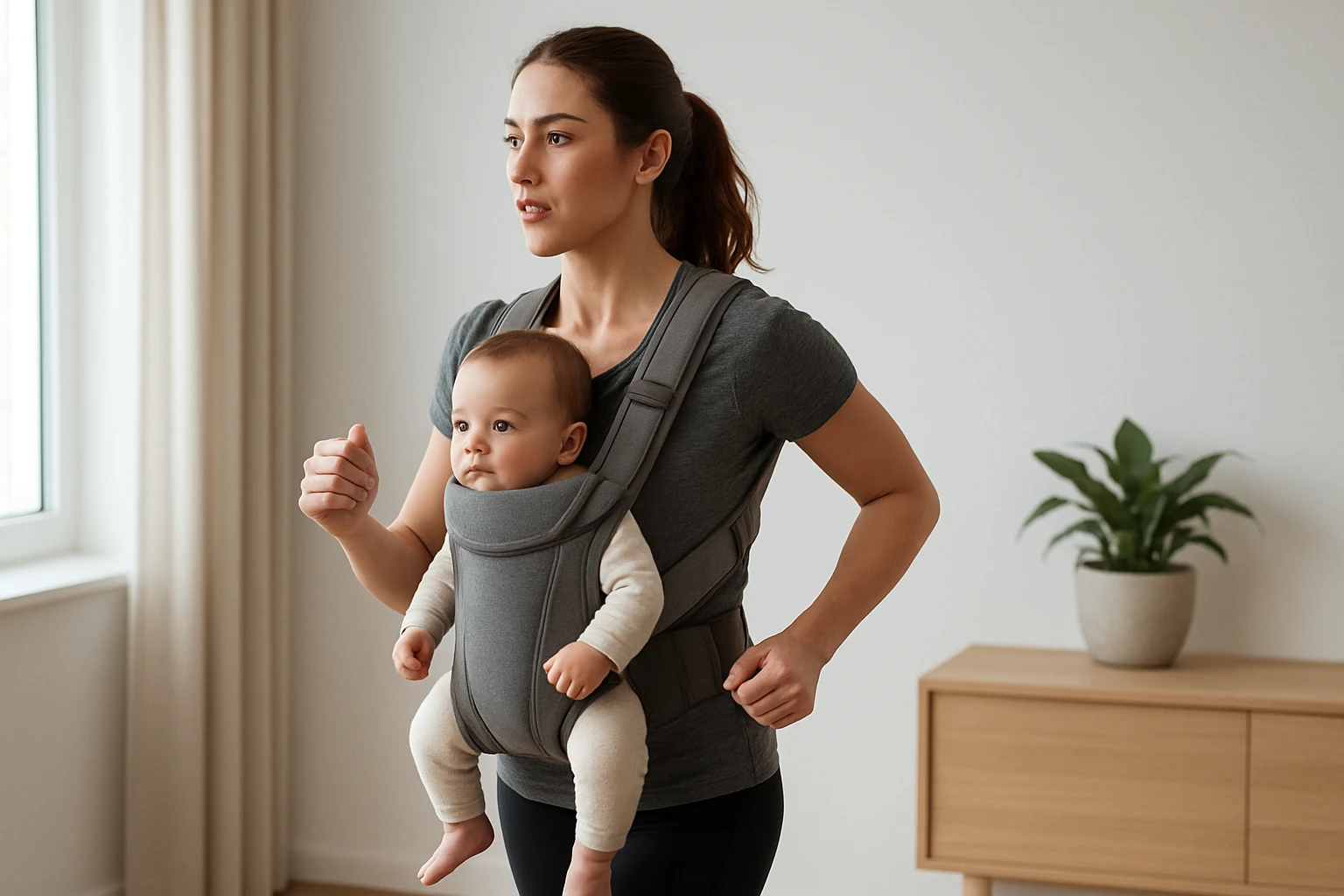
Run Safely While Babywearing: 7 Workouts, Tips & Checklist
\nIntroduction
\nRunning while babywearing can provide cardiovascular benefits for the parent and soothing motion for the infant. This guide will teach the reader how to select an appropriate carrier, prepare the baby, execute seven expert workouts, and follow a comprehensive safety checklist. The information is based on ergonomic research, professional fitness standards, and real‑world user feedback. By following the steps, the reader will be able to enjoy outdoor exercise without compromising infant safety.
\nWhat You’ll Need
\nThe essential tools include a supportive baby carrier, breathable athletic attire, proper footwear, and a water bottle. The guide recommends two carriers that have received high ratings and meet hip‑healthy standards. The first carrier is the KeaBabies Baby Wrap Carrier, which costs $29.96 and holds a rating of 4.5 out of 5 stars from 28,075 reviews. The second carrier is the Ergobaby Omni Classic, priced at $179.00 with a rating of 4.6 out of 5 stars from 7,370 reviews. Additional items such as a lightweight jacket, a hat for sun protection, and a portable diaper bag are optional but improve comfort.
\nStep 1: Choose an Ergonomic Carrier
\nSelecting a carrier that distributes weight evenly is the foundation of safe babywearing during a run. The KeaBabies Baby Wrap Carrier features an ergonomic design that aligns the baby’s hips and supports the parent’s shoulders, reducing strain on the lower back. Its breathable proprietary fabric keeps both wearer and infant cool during moderate‑intensity jogging. For parents who require additional lumbar support and multiple carry positions, the Ergobaby Omni Classic offers padded lumbar support, adjustable cross‑strap system, and four ergonomic positions that grow with the child from newborn to toddler. Both carriers are certified by the International Hip Dysplasia Institute, ensuring that the infant’s hip development remains healthy while the parent engages in cardiovascular activity.
\nStep 2: Adjust the Carrier for a Secure Fit
\nBefore beginning any movement, the parent must adjust the carrier so that the infant sits upright with the hips in a “M” position. With the KeaBabies wrap, the parent should wrap the fabric around the torso, tie a secure knot, and verify that the baby’s shoulders are positioned within the carrier’s shoulder straps. The carrier should feel snug but not restrictive, allowing the infant’s chest to expand freely for normal breathing. When using the Ergobaby Omni Classic, the parent should slide the waist belt low on the hips, tighten the lumbar pad, and adjust the shoulder straps so that they rest comfortably on the shoulders without digging into the neck. A final check involves ensuring that the baby’s chin is not pressed against the chest, which could obstruct airflow.
\nStep 3: Conduct a Pre‑Run Safety Checklist
\nA pre‑run checklist minimizes the risk of injury to both parent and infant. Verify that the carrier’s buckles, Velcro, and tie‑points are fully engaged and that no fabric strands are loose. Confirm that the infant’s diaper is fresh, the clothing is appropriate for the weather, and the carrier’s fabric is free from wrinkles that could cause pressure points. The parent should also test the carrier’s stability by walking a short distance, listening for any shifting of the baby’s position, and adjusting as needed. Finally, the parent should hydrate, apply sunscreen to exposed skin, and inform a nearby companion of the intended route in case assistance becomes necessary.
\nStep 4: Begin with a Warm‑Up Walk
\nStarting with a five‑minute walk allows the body to acclimate to the added weight and promotes circulation. The parent should maintain an upright posture, engage the core muscles, and keep the shoulders relaxed while the infant remains close to the chest. During this phase, the parent can practice rhythmic breathing, which helps regulate heart rate once the run begins. The warm‑up also provides an opportunity to observe the infant’s response to movement, ensuring that the carrier remains comfortable. If the infant shows signs of discomfort, the parent should pause, readjust the carrier, and resume only when the baby appears calm.
\nStep 5: Execute the First Workout – Interval Jog
\nThe first structured workout consists of alternating one‑minute jogs with thirty‑second walking intervals, repeated six times. This interval pattern builds cardiovascular endurance while allowing the parent to monitor the infant’s tolerance to higher intensity. The parent should keep the stride short and the foot strike light to minimize impact on the baby’s spine. During jogging intervals, the parent should keep the infant’s head supported by the carrier’s neckline and avoid sudden directional changes. After each jogging segment, the parent should walk slowly, check the infant’s facial expression, and adjust the carrier if any pressure points develop.
\nStep 6: Execute the Second Workout – Hill Repeats
\nHill repeats introduce a controlled increase in resistance, strengthening the parent’s lower body and core muscles. The parent should select a gentle incline of no more than five percent grade and perform three repetitions of a thirty‑second ascent followed by a one‑minute descent walk. The carrier’s ergonomic design, particularly the Ergobaby Omni Classic’s bucket seat, maintains the infant’s upright posture even on an incline, reducing forward slumping. The parent should keep the torso slightly leaned forward, engage the glutes, and maintain a steady breathing rhythm. After each ascent, the parent should pause at the top, check the infant’s breathing, and ensure that the carrier’s straps remain secure before descending.
\nStep 7: Cool‑Down and Post‑Run Inspection
\nConcluding the session with a five‑minute cool‑down walk helps lower the heart rate gradually and prevents blood pooling in the lower extremities. During the cool‑down, the parent should gently rock the carrier side‑to‑side to soothe the infant and encourage a calm transition. Once the walk is complete, the parent should remove the carrier, inspect the fabric for any signs of wear, and clean any sweat residue according to the manufacturer’s care instructions. The infant should be checked for signs of overheating, such as flushed cheeks or rapid breathing, and the diaper should be changed if necessary. Finally, the parent should log the workout details, including distance, duration, and infant’s response, to track progress and adjust future sessions.
\nTips & Pro Tips
\n- \n
- Always run on smooth, even surfaces to reduce the risk of jarring movements that could disturb the infant. \n
- Choose breathable athletic shoes with adequate arch support to complement the carrier’s weight distribution. \n
- If the weather is warm, consider a lightweight, moisture‑wicking shirt to keep both parent and baby comfortable. \n
- Use a small, hands‑free water bottle that can be attached to the carrier’s detachable pocket, especially when using the Ergobaby Omni Classic. \n
- Schedule runs during the infant’s nap window when the baby is more likely to remain calm and sleep through moderate movement. \n
- Practice the carrier adjustments at home before attempting any outdoor run; familiarity reduces the chance of errors during the workout. \n
Troubleshooting
\nProblem: The infant appears restless or cries during a jog.
Solution: Pause immediately, check that the carrier’s straps are not too tight, and ensure the baby’s airway is unobstructed. Adjust the carrier’s position, offer a soothing voice, and resume only when the infant calms.
Problem: The parent feels lower back strain after a short run.
Solution: Verify that the carrier’s lumbar support is engaged, especially when using the Ergobaby Omni Classic. Reduce the run distance, focus on core engagement, and consider using the KeaBabies wrap for a lighter option.
Conclusion
\nThis guide has outlined the essential steps for safely running while babywearing, from selecting an ergonomic carrier to completing interval and hill workouts. By following the safety checklist, maintaining proper carrier adjustments, and applying the provided tips, the parent can achieve effective cardiovascular exercise without compromising infant wellbeing. Consistent practice will improve both fitness levels and the parent‑infant bond, creating a healthy routine for the family. The reader is encouraged to start with short sessions, monitor the infant’s responses, and gradually increase intensity as confidence grows.
\nProducts Mentioned in This Guide
\n\nFrequently Asked Questions
What type of baby carrier is safest for running?
Choose a supportive, hip‑healthy carrier like the KeaBabies Wrap or Ergobaby Omni that offers snug fit, breathable fabric, and proper weight distribution.
How old or how much can a baby be for carrier running?
Most experts recommend running with a baby who is at least 6 months old and weighs between 8‑20 lb, but always follow the carrier’s weight limits.
What are the essential items to bring on a baby‑wearing run?
Pack a supportive carrier, breathable athletic clothing, proper running shoes, a water bottle, and a small diaper bag with wipes and a spare outfit.
Can you outline a simple warm‑up before running with a baby?
Start with 5 minutes of gentle walking, shoulder rolls, and hip circles while the baby is in the carrier to activate muscles and check fit.
What key points are on the safety checklist for baby‑wearing runs?
Verify carrier fit, ensure baby’s airway is clear, keep the baby’s head supported, stay on even terrain, and limit runs to 30‑45 minutes initially.