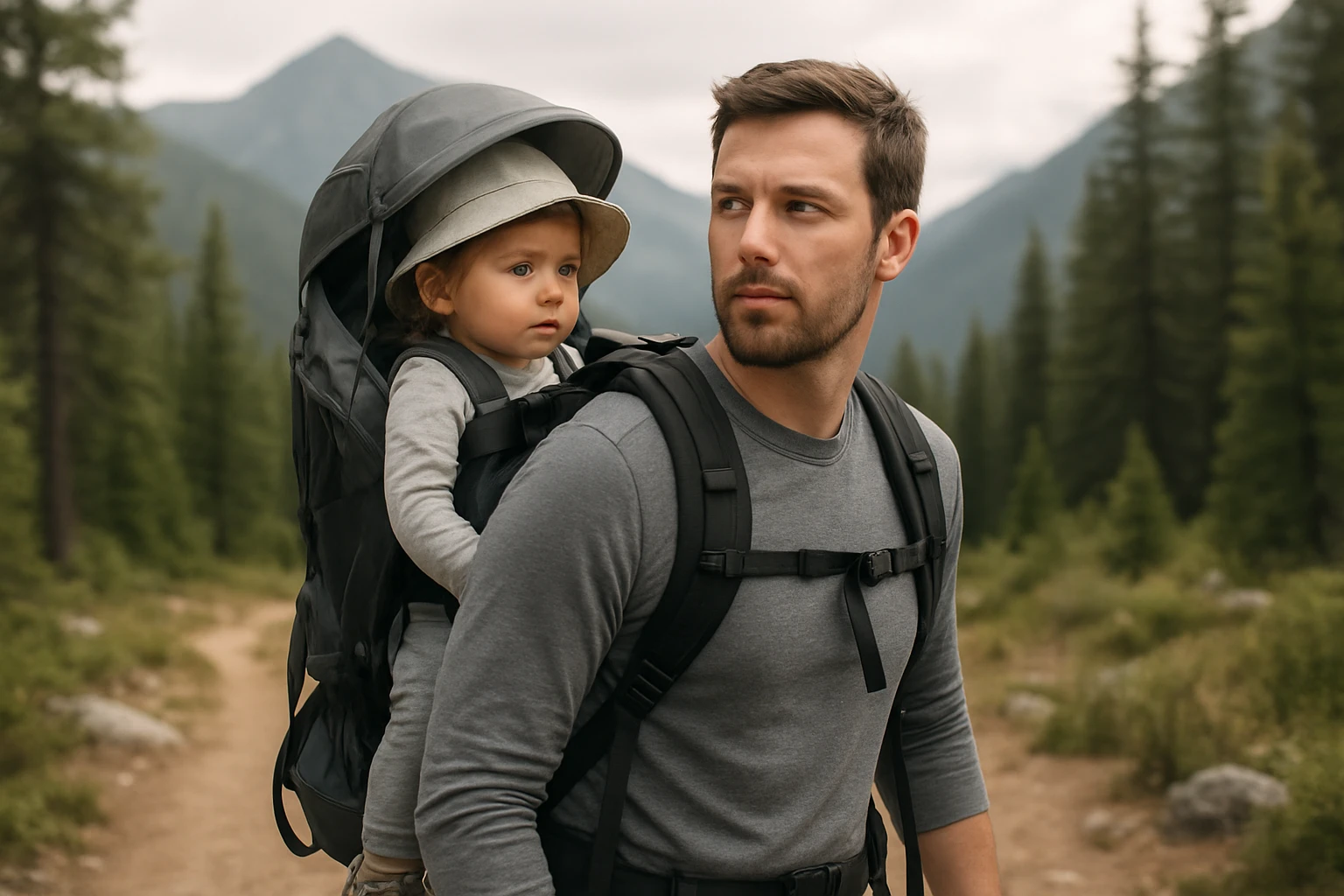
Ultimate Guide to Choosing the Best Toddler Carrier for Multi-Day Backpacking
Introduction
Backpacking with a toddler transforms a simple trek into a shared adventure, but it also introduces unique challenges. This guide explains the essential criteria for selecting a toddler carrier that can endure multi‑day excursions, protect both parent and child, and provide the comfort needed for long distances. Readers will learn about safety standards, ergonomic design, weather protection, storage capacity, and how to match a carrier to specific trail conditions. In addition, three highly rated products are examined in detail, allowing the reader to make an informed purchase decision.
Background and Context
Carrying a child on the back while hiking dates back to early human societies, yet modern engineering has turned the concept into a specialized piece of gear. Contemporary carriers combine load‑bearing frames, breathable back panels, and child‑focused safety harnesses. The American Society for Testing and Materials (ASTM) provides certification for load limits, while the International Organization for Standardization (ISO) influences material durability. Understanding these standards helps a parent evaluate claims such as "supports up to 40 lb" or "water‑resistant 600 D oxford cloth." Moreover, climate considerations—rain, sun, temperature extremes—dictate the need for removable canopies, insulated pockets, and UPF protection.
Key Considerations When Choosing a Multi‑Day Toddler Carrier
Before examining specific models, it is useful to categorize the most influential factors. The following subsections outline each factor and explain why it matters for extended trips.
1. Safety and Harness Systems
- Four‑point or five‑point harnesses secure the child’s torso and hips, reducing the risk of slippage.
- Stirrups or foot loops keep the child’s legs in a natural position, preventing circulation problems.
- Reflective strips improve visibility during low‑light conditions.
2. Load Distribution and Frame Design
- Rigid or semi‑rigid frames transfer weight to the hips via a padded waist belt, sparing the shoulders.
- Adjustable torso length (often 6–15 cm) accommodates different adult body types.
- Folding frames enable compact storage when the carrier is not in use.
3. Weather Protection
- Removable sun canopies with UPF 50 rating shield the child from harmful UV rays.
- Integrated rain covers keep both carrier and child dry during sudden showers.
- Breathable back panels, such as mesh or AirSpeed™ suspension, reduce heat buildup on long ascents.
4. Storage Capacity
- Multiple pockets—including insulated bottle compartments—allow parents to carry diapers, snacks, and emergency gear.
- Large rear compartments with reflective strips provide quick access to essential items.
- Dedicated diaper‑changing pads eliminate the need for separate mats.
5. Weight and Packability
For multi‑day treks, the carrier itself should weigh less than 5 lb while still offering robust construction. Materials such as 600 D oxford cloth, ripstop polyester, and stainless‑steel frames balance durability with low weight.
Product Recommendations
The following carriers meet the criteria above and have earned high ratings from thousands of outdoor parents. The first mention of each product includes a direct affiliate link.
Kidpprod Baby Backpack Carrier
This carrier is designed for children from six months to four years, supporting a maximum weight of 40 lb (≈18 kg). It features a double‑protection safety jacket, a retractable sun/rain canopy, and a metal frame that folds flat for transport. Key specifications include:
- Price: $106.39
- Rating: 4.4/5.0 (418 reviews)
- Four‑point safety belt with padded waist strap
- Multiple pockets, including a large back diaper pocket with reflective strip
- 600 D oxford cloth exterior, ASTM‑approved construction
Because the carrier combines a sturdy frame with extensive storage, it is especially suitable for families who need to carry extra gear for multi‑day trips.
Luvdbaby Hiking Baby Carrier
The Luvdbaby model emphasizes back protection for the adult while maintaining child comfort. Its height‑adjustable, heavily padded straps and load‑bearing waist belt reduce shoulder fatigue during long hikes. Notable features include:
- Price: $194.90
- Rating: 4.6/5.0 (2,619 reviews)
- Removable sun visor and integrated rain cover
- Insulated bottle pocket and multiple mesh compartments
- Foldable diaper‑changing pad included
- Waterproof ripstop polyester construction
This carrier excels for hikers who prioritize personal ergonomics and require a dedicated insulated pocket for baby bottles.
Osprey Poco Child Carrier
Osprey’s premium offering combines a stainless‑steel folding frame with a ventilated AirSpeed™ backpanel. The Double Halo harness provides a secure cockpit, while an integrated UPF 50 sunshade offers superior UV protection. Highlights include:
- Price: $400.00
- Rating: 4.6/5.0 (64 reviews)
- Compact folding frame for easy travel
- Padded hip belt that shifts weight to the hips
- Multiple compartments, including an insulated pocket and a removable drool pad
- Bluesign® certified sustainable materials
For families willing to invest in a long‑lasting, high‑performance system, the Poco delivers unmatched comfort on extended treks.
Comparison and Selection Guide
| Feature | Kidpprod Baby Backpack Carrier | Luvdbaby Hiking Baby Carrier | Osprey Poco Child Carrier |
|---|---|---|---|
| Maximum Child Weight | 40 lb (18 kg) | Approximately 40 lb (18 kg) | 45 lb (20 kg) |
| Frame Type | Metal frame, folds flat | Heavy‑duty padded frame, no fold | Stainless‑steel folding frame |
| Weather Protection | Retractable sun/rain canopy, full rain cover | Removable sun visor, integrated rain cover | UPF 50 sunshade, optional rain cover |
| Storage Pockets | Multiple pockets, large rear diaper pocket, side bottle holders | Mesh pockets, insulated bottle pocket, diaper pad pocket | Multiple compartments, insulated pocket, drool pad pocket |
| Weight (carrier only) | ≈4.5 lb | ≈5.2 lb | ≈4.8 lb |
| Price | $106.39 | $194.90 | $400.00 |
| Average Rating | 4.4/5 (418 reviews) | 4.6/5 (2,619 reviews) | 4.6/5 (64 reviews) |
When selecting a carrier, prioritize the criteria that align with your expedition length and terrain. For lightweight weekend trips, the Kidpprod offers excellent value and sufficient storage. For longer, rugged hikes where back comfort is paramount, the Luvdbaby’s padded system reduces fatigue. If budget permits and sustainability is a concern, the Osprey Poco provides a durable, eco‑friendly solution with superior ventilation.
Best Practices & Tips for Multi‑Day Backpacking with a Toddler
- Conduct a trial run on a short, local trail to adjust harness height and waist belt tension before committing to a multi‑day trek.
- Pack a lightweight, waterproof diaper‑changing mat in an external pocket; it can double as a rain shelter for the child.
- Maintain a balanced load: keep heavier items close to your center of gravity and use the carrier’s side bottle holders for easy access.
- Monitor the child’s temperature frequently; the ventilated back panel of carriers such as the Osprey Poco helps prevent overheating.
- Carry a compact first‑aid kit and a spare rain cover; weather can change rapidly in mountainous regions.
- Plan rest stops every 1–2 hours to allow the child to stretch, feed, and relieve themselves without removing the carrier.
- Use the carrier’s reflective strips and a headlamp for early‑morning or late‑evening travel to increase visibility.
Frequently Asked Questions
What age range is appropriate for a toddler carrier?
Most carriers support children from six months up to four years, with a weight limit of 40–45 lb. Always verify the manufacturer’s specifications before purchase.
Can I use a toddler carrier for overnight backpacking?
Yes, provided the carrier has sufficient storage for a sleeping bag, change of clothes, and a small water reservoir. Models with large rear compartments, such as the Kidpprod, are better suited for overnight gear.
How do I clean the carrier after a muddy hike?
Most modern carriers feature removable, machine‑washable liners and drool pads. The exterior fabric can be spot‑cleaned with mild soap and a soft brush; avoid harsh detergents that may degrade waterproof coatings.
Is a folding frame necessary?
A folding frame offers convenience when the carrier is not in use, especially for travel by car or plane. However, a sturdy fixed frame may provide marginally better weight distribution on extremely steep terrain.
What safety certifications should I look for?
ASTM and ISO certifications indicate compliance with load‑bearing and material standards. Look for statements such as "ASTM approved" in the product description.
How much extra weight can the carrier’s waist belt support?
While the waist belt primarily redistributes the child’s weight, most designs can comfortably handle an additional 5–10 lb of gear without compromising stability.
Do I need a separate rain cover if the carrier includes one?
The integrated rain cover on many carriers is sufficient for moderate rain. For heavy downpours, a dedicated waterproof rain shell provides an extra layer of protection.
Conclusion
Choosing the right toddler carrier for multi‑day backpacking requires a balance of safety, ergonomics, weather protection, and storage capacity. By evaluating each factor against the specific demands of your planned routes, you can select a system that safeguards your child and preserves your own stamina. The Kidpprod Baby Backpack Carrier, Luvdbaby Hiking Baby Carrier, and Osprey Poco Child Carrier each excel in different areas, allowing families to match a product to their budget and performance expectations. With proper preparation, a well‑chosen carrier transforms a challenging trek into a memorable family adventure.
Products Featured in This Guide
Kidpprod Baby Backpack Carrier
Price: $106.39 | Rating: 4.4/5 (418 reviews)
Featured for its affordable price, robust 600 D oxford construction, and extensive pocket system that suits multi‑day gear loads.
Luvdbaby Hiking Baby Carrier
Price: $194.90 | Rating: 4.6/5 (2,619 reviews)
Featured for its heavily padded back system, removable sun visor, insulated bottle pocket, and included diaper‑changing pad, making it ideal for long‑duration hikes.
Osprey Poco Child Carrier
Price: $400.00 | Rating: 4.6/5 (64 reviews)
Featured for its premium stainless‑steel folding frame, ventilated AirSpeed™ suspension, and sustainable Bluesign® materials, delivering top‑tier comfort for extended expeditions.