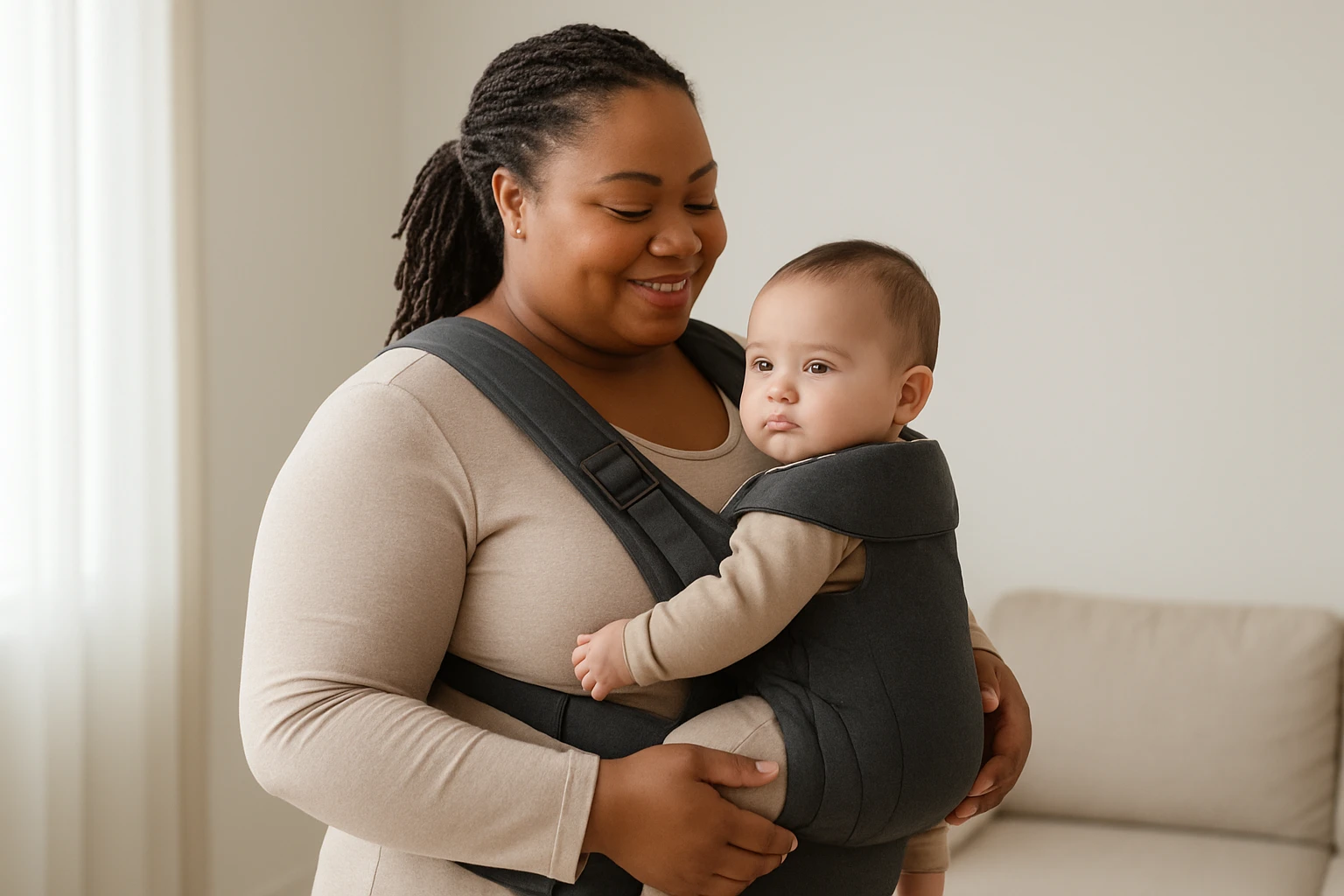
The Ultimate Guide to Plus Size Baby Carriers for Active Parents: Top Picks, Fit Tips & Comfort Solutions
Introduction
Active parents with larger frames often encounter difficulty finding baby carriers that provide both safety and comfort. This guide explains the essential considerations for plus‑size carriers, compares three highly rated options, and delivers practical advice for achieving optimal fit. Readers will learn about ergonomic design principles, how to assess weight capacity, and which accessories enhance daily use.
The information presented is based on verified product data, real‑world customer sentiment, and current best practices in infant ergonomics. By the end of this article, one will be equipped to select a carrier that supports a healthy hip‑to‑spine alignment for the baby while distributing load evenly across the caregiver’s hips and shoulders.
Background and Context
Baby‑wearing has been shown to promote bonding, regulate infant temperature, and reduce crying. For caregivers who enjoy outdoor activities, jogging, or long‑duration errands, a carrier must combine durability with breathable materials. The term "plus size" in this context refers to carriers that accommodate larger adult waist measurements (generally up to 45 inches) and higher infant weight limits (often 40 lb or more).
Key ergonomic concepts include the "M‑shaped" hip position, which aligns the femur at a 45‑degree angle to protect the developing acetabulum. A wide, padded waist belt helps shift weight from the shoulders to the hips, reducing strain on the lumbar region. Materials such as 3‑D mesh or bamboo‑derived fibers increase airflow, preventing overheating during summer outings.
Regulatory bodies such as the International Hip Dysplasia Institute endorse carriers that maintain the infant’s hips in a spread‑squat position. Selecting a carrier that meets these guidelines is essential for long‑term musculoskeletal health.
Choosing the Right Carrier: Core Considerations
When evaluating plus‑size carriers, consider the following criteria:
- Weight Capacity: Ensure the carrier supports the baby’s current weight and allows growth up to at least 44 lb.
- Waist Size Compatibility: Look for adjustable waistbands that fit up to 45 inches for larger caregivers.
- Hip‑Support Design: Prefer carriers with a dedicated hip seat or wide, firm cushion that encourages the M‑shaped position.
- Material Breathability: Mesh, AirMesh, or bamboo blends promote airflow and reduce sweat.
- Versatility of Carrying Positions: Six‑way or multi‑position carriers adapt to newborn, infant, and toddler stages.
- Ease of Use: One‑person instant wear mechanisms save time and eliminate the need for a second helper.
- Maintenance: Removable, machine‑washable liners simplify cleaning after spills.
Below, each of the three featured carriers is examined against these benchmarks.
Top Picks for Plus‑Size Parents
YSSKTC Baby Carrier
The YSSKTC Baby Carrier offers six configurable wearing ways, an ergonomic hip seat, and a breathable mesh construction. It supports infants from 7 lb to 45 lb and fits waist sizes up to 45 inches, making it suitable for larger caregivers.
Key Features
- Mesh fabric (100 % polyester) with a soft cotton lining for skin‑friendly comfort.
- Six carrying positions, including front‑inward, front‑outward, hip seat, and back carry.
- Ergonomic hip seat that maintains the infant’s M‑shaped hips and distributes weight across the caregiver’s waist.
- Adjustable Velcro waistband and side pockets for bottles, phones, and keys.
- Removable hip‑seat liner that is machine washable.
Customer sentiment highlights the carrier’s sturdy construction, ease of solo adjustment, and the hip seat’s ability to alleviate back strain during long walks. With a price of $34.19 and a rating of 4.5 / 5 from 1,743 reviews, it provides strong value for budget‑conscious families.
Boba Baby Wrap
The Boba Baby Wrap is a one‑size‑fits‑all sling crafted from a bamboo‑viscose blend that offers four‑way stretch. It is certified “Hip‑Healthy” by the International Hip Dysplasia Institute, ensuring the infant’s hips remain in a natural position.
Key Features
- 68 % viscose (bamboo), 25 % cotton, 7 % spandex for a soft, stretchy feel.
- Hip‑healthy certification for ergonomic positioning.
- Machine‑washable and dryer‑safe for convenient maintenance.
- Provides hands‑free, close contact that mimics womb‑like warmth.
- One‑size design adapts to a wide range of adult body shapes.
Reviewers praise the wrap’s lightweight nature, breathability, and ability to reduce back pain for caregivers with chronic migraines. At $49.99 and a rating of 4.7 / 5 from 1,930 reviews, it is positioned as a premium yet versatile option for parents who prefer fabric wraps over structured carriers.
Momcozy Hip Seat Baby Carrier
The Momcozy Hip Seat Baby Carrier combines a detachable hip seat with a six‑way rotating system. Constructed from 100 % polyester AirMesh, it offers excellent airflow for summer activities. The carrier supports babies up to 44 lb and fits waist sizes up to 45 inches.
Key Features
- Six positions: cradle, hip, forward‑facing, inward‑facing, back carry, and detachable seat.
- 10 mm thick cushion and wide seat for hip‑healthy support.
- X‑shaped waist support that evenly distributes pressure across hips, abdomen, and shoulders.
- One‑person instant wear with quick‑adjust Velcro belt and magnetic clasps.
- AirMesh fabric for all‑day cooling and durability.
Customers emphasize the carrier’s ergonomic waist support, easy solo donning, and the convenience of the detachable seat for quick pickups. Priced at $89.97 with a 4.5 / 5 rating from 582 reviews, it targets families seeking a long‑term, high‑performance solution.
Comparison and Selection Guide
| Feature | YSSKTC Baby Carrier | Boba Baby Wrap | Momcozy Hip Seat Carrier |
|---|---|---|---|
| Price | $34.19 | $49.99 | $89.97 |
| Weight Capacity | 7–45 lb | 7–35 lb | Up to 44 lb |
| Waist Size Fit | Up to 45 in | One‑size (generally fits most) | Up to 45 in |
| Hip‑Seat Design | Integrated ergonomic hip seat | None (wrap style) | Detachable hip seat with 10 mm cushion |
| Carrying Positions | Six (front, back, hip seat) | One (front‑facing wrap) | Six (including forward‑facing) |
| Material Breathability | Mesh polyester | Bamboo‑viscose blend | 3‑D AirMesh polyester |
| Ease of Solo Wear | Velcro straps, side pockets | Wrap requires tying; moderate learning curve | X‑structure, magnetic clasps, Velcro belt |
| Customer Rating | 4.5/5 (1,743 reviews) | 4.7/5 (1,930 reviews) | 4.5/5 (582 reviews) |
Parents who prioritize a structured hip seat and budget‑friendly pricing may gravitate toward the YSSKTC model. Those who value a lightweight, fabric‑only solution and desire hip‑healthy certification may find the Boba Wrap ideal. caregivers seeking a high‑end, all‑season carrier with detachable components should consider the Momcozy Hip Seat Carrier.
Best Practices & Tips for Plus‑Size Baby Wearing
- Measure Your Waist Accurately: Use a flexible tape measure at the natural waistline. Adjust the carrier’s belt so that it sits snugly without compressing the abdomen.
- Distribute Weight Evenly: Position the infant’s hips in the seat so that the thighs form a “V” shape. Ensure the carrier’s shoulder straps are padded and level.
- Check for Secure Fastenings: Magnetic clasps or buckles should click firmly. Perform a “shake test” by gently lifting the carrier; the infant should remain stable.
- Practice Proper Entry and Exit: For structured carriers, use the one‑person instant wear method: secure the waist belt first, then slide the infant in, and finally adjust shoulder straps.
- Maintain Breathability: In warm climates, choose mesh or AirMesh fabrics. Open side vents or remove the hip‑seat cushion temporarily if overheating occurs.
- Regularly Inspect for Wear: Examine stitching, buckles, and fabric for signs of fraying. Replace any damaged components promptly to preserve safety.
- Follow Manufacturer Weight Guidelines: Exceeding the recommended infant weight can compromise hip alignment and increase caregiver strain.
Frequently Asked Questions
1. Can a plus‑size carrier be used from newborn to toddler?
Yes, carriers with six‑way or multi‑position designs, such as the YSSKTC and Momcozy models, accommodate newborns through toddlers by offering cradle, hip, and forward‑facing positions.
2. How does a hip‑seat improve infant hip health?
The hip‑seat holds the baby’s thighs spread at approximately 45 degrees, encouraging a natural “M” shape that reduces the risk of developmental dysplasia of the hip.
3. Are fabric wraps like the Boba Baby Wrap safe for larger babies?
Wraps are certified hip‑healthy and support infants up to 35 lb. For babies exceeding this limit, a structured carrier with a higher weight capacity is recommended.
4. What should I do if the carrier feels too hot during summer walks?
Choose a carrier made from mesh or AirMesh material, open side pockets for airflow, and consider removing the hip‑seat cushion temporarily. Hydration and shaded routes also help manage temperature.
5. How often should I clean the carrier?
Machine‑washable liners and fabrics should be cleaned after each week of use or immediately after spills. Follow the manufacturer’s washing instructions to preserve elasticity.
6. Can I wear the carrier on both shoulders?
Most structured carriers, including YSSKTC and Momcozy, feature dual shoulder straps for balanced load distribution. Wraps are typically worn on one shoulder, but the fabric can be crossed for a two‑shoulder configuration if desired.
7. Is there a maximum adult waist size for these carriers?
The YSSKTC and Momcozy carriers explicitly state compatibility up to 45 inches. The Boba Wrap is designed to fit a broad range of body types, but caregivers with waist measurements beyond 45 inches may experience reduced snugness.
Conclusion
Choosing a plus‑size baby carrier involves balancing weight capacity, ergonomic hip support, breathable materials, and ease of solo wear. The YSSKTC Baby Carrier provides an affordable, multi‑position solution with a dedicated hip seat. The Boba Baby Wrap excels in lightweight comfort and hip‑healthy certification for smaller infants. The Momcozy Hip Seat Carrier delivers premium features, including a detachable seat and all‑season AirMesh fabric, ideal for active families seeking long‑term durability.
By applying the fit guidelines and best‑practice tips outlined above, caregivers can enjoy hands‑free mobility while safeguarding their baby’s developmental health. The right carrier will reduce back strain, promote proper hip alignment, and allow parents to stay active throughout the infant years.
Products Featured in This Guide
YSSKTC Baby Carrier
Price: $34.19 | Rating: 4.5/5 (1,743 reviews)
Featured for its affordable price, six‑way versatility, ergonomic hip seat, and compatibility with waist sizes up to 45 inches.
Boba Baby Wrap
Price: $49.99 | Rating: 4.7/5 (1,930 reviews)
Featured for its hip‑healthy certification, four‑way stretch bamboo‑viscose blend, and lightweight, breathable design ideal for newborns.
Momcozy Hip Seat Baby Carrier
Price: $89.97 | Rating: 4.5/5 (582 reviews)
Featured for its detachable hip seat, six‑way rotation, X‑shaped waist support, and AirMesh fabric that keeps both baby and caregiver cool during active outings.