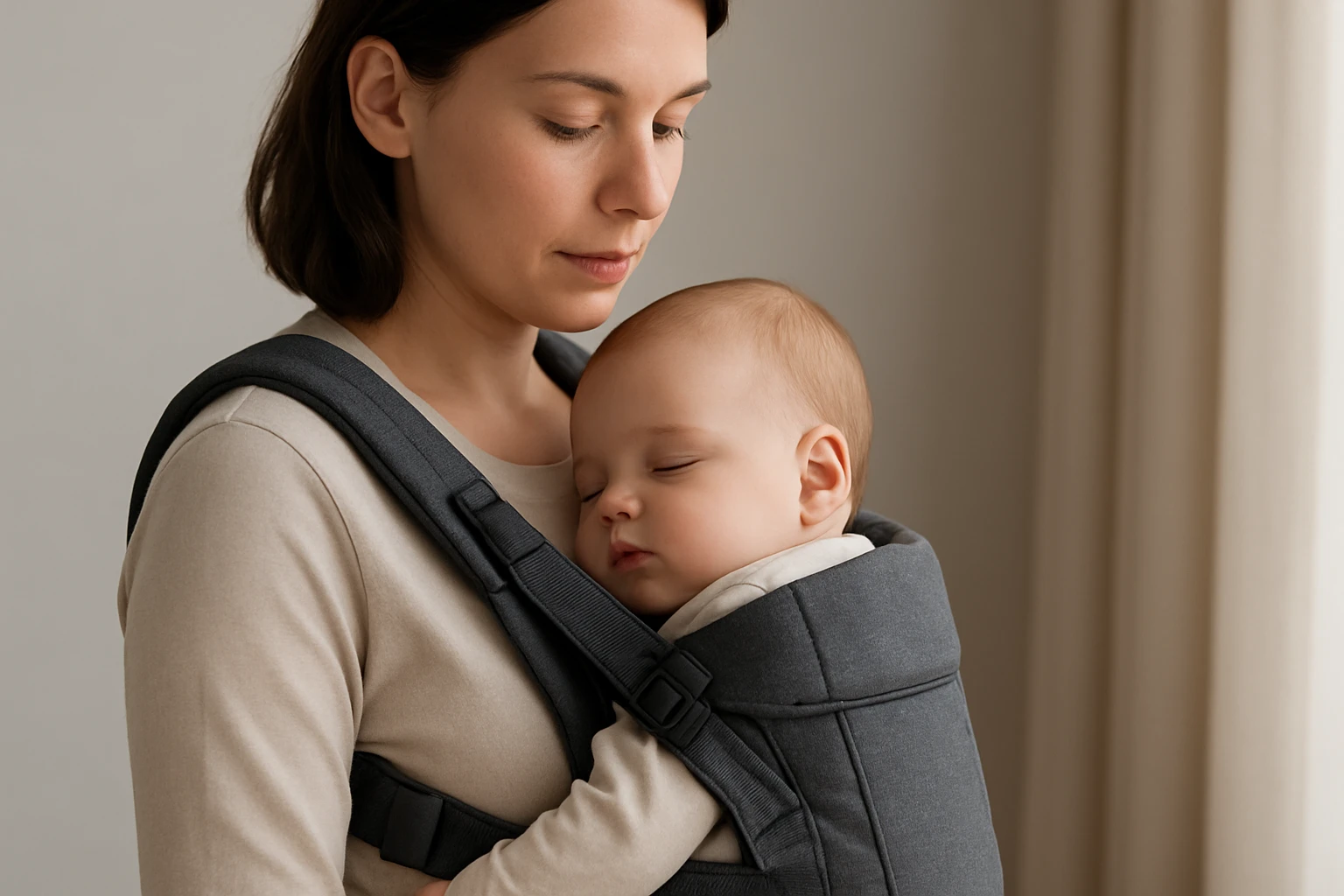
Baby Carrier Sleep Safety Guidelines: The Ultimate Guide to Keeping Your Baby Safe in a Carrier
Introduction
This guide explains how to maintain safe sleep practices while using a baby carrier. Readers will learn essential concepts, risk factors, and actionable steps to protect infants during carrier use. The article also evaluates four highly rated carriers that support safe sleep positioning. By the end of this guide, caregivers will possess the knowledge to choose appropriate carriers and apply best‑practice techniques.
Background and Context
Safe sleep guidelines originate from extensive pediatric research on sudden infant death syndrome (SIDS) and positional asphyxia. The American Academy of Pediatrics recommends that infants sleep on their backs on a firm, flat surface without loose bedding. When a carrier is employed, the caregiver becomes the sleeping surface, and the carrier must replicate those safety principles. Understanding the anatomy of a carrier, including weight distribution, hip‑healthy design, and breathable materials, is essential for informed decision‑making.
Carriers that claim ergonomic support often incorporate features such as M‑shaped seat positions, padded waist belts, and mesh panels. These elements can reduce pressure on a baby’s airway and maintain proper hip development. However, not every carrier offers the same level of safety for sleep; some designs are intended primarily for short‑term holding and may lack adequate head support for extended periods.
Key Concepts for Safe Carrier Sleep
Three core concepts govern safe sleep in a carrier: positioning, ventilation, and duration. Positioning requires the infant’s head to remain in a neutral alignment, with the airway unobstructed. Ventilation is achieved through breathable fabrics that prevent overheating, a known risk factor for SIDS. Duration refers to limiting continuous carrier sleep to short intervals and monitoring the infant regularly.
When selecting a carrier, caregivers should verify that the product is certified hip‑healthy and includes a built‑in headrest or adjustable seat. The carrier should also feature a 3‑D mesh panel or similar ventilation technology to promote airflow. Finally, caregivers must be prepared to transition the baby to a crib or bassinet after a brief nap in the carrier.
Choosing the Right Carrier for Safe Sleep
Among the market options, four carriers stand out for their safety features and consumer satisfaction. The Beco Gemini Baby Carrier offers a breathable 3D mesh panel, adjustable seat, and hip‑healthy certification, making it suitable for short naps. The BabyBjörn Mini Baby Carrier provides a snug ergonomic seat and ultra‑soft fabrics, supporting a natural C‑curve for newborns. The Momcozy Purehug Baby Carrier incorporates an X‑shaped back design and EVA waist support, reducing caregiver fatigue during extended wear. Finally, the Ergobaby Omni Breeze Carrier utilizes SoftFlex mesh for superior airflow and includes a detachable UPF hood for additional protection.
Each of these carriers meets the essential criteria of head support, hip‑healthy positioning, and breathable construction. Caregivers should match these features to their lifestyle, climate, and the infant’s developmental stage.
Comparison and Selection Guide
| Feature | Beco Gemini | BabyBjörn Mini | Momcozy Purehug | Ergobaby Omni Breeze |
|---|---|---|---|---|
| Weight Range | 7–35 lbs | 7–25 lbs | 7–45 lbs | 7–45 lbs |
| Breathability | 3D mesh panel | Lightweight jersey | Cotton shell with foam | SoftFlex mesh |
| Hip‑Healthy Certification | Yes | Yes | Yes | Yes |
| Adjustable Positions | 4 (inward, outward, hip, backpack) | 2 front‑carry options | 3 sizing positions | 4 (inward, outward, hip, back) |
| Additional Safety Features | Padded waist belt, pocket | Head support buckles | EVA lumbar support, X‑back | Padded lumbar, UPF hood, side pockets |
| Price (USD) | $79.99 | $99.99 | $59.99 | $199.00 |
| Average Rating | 4.3/5 (1,793 reviews) | 4.6/5 (715 reviews) | 4.5/5 (4,902 reviews) | 4.7/5 (1,238 reviews) |
When evaluating these carriers, caregivers should prioritize breathable fabrics for hot climates, padded lumbar support for back health, and ease of adjustment for rapid transitions between holding and sleeping. The price range reflects the varying levels of additional features such as detachable hoods and storage pockets.
Best Practices & Tips for Safe Carrier Sleep
- Always place the infant on their back while the carrier is in use for sleep.
- Ensure the carrier’s seat forms an "M" shape that supports the hips and spine.
- Check that the headrest or adjustable seat holds the infant’s chin away from the chest.
- Limit continuous carrier sleep to no more than 30 minutes without a caregiver check.
- Use carriers with mesh or breathable panels in warm environments to prevent overheating.
- Secure all buckles and straps before each use, and verify that they do not loosen during movement.
- Transition the infant to a firm, flat sleep surface as soon as they become drowsy.
Caregivers should also monitor the infant’s temperature by feeling the back of the neck; if the skin feels hot, remove the carrier immediately. In addition, caregivers should avoid placing carriers on soft surfaces such as sofas when the infant is asleep, as this can increase the risk of suffocation.
Frequently Asked Questions
Can an infant sleep in a carrier for longer than 30 minutes?
The consensus among pediatric experts is that infants should not remain asleep in a carrier for extended periods. Continuous sleep beyond 30 minutes increases the risk of airway obstruction and overheating.
Is a hip‑healthy design necessary for safe sleep?
Yes, a hip‑healthy design promotes proper femoral development and reduces strain on the infant’s lower spine, which contributes to overall safety during sleep.
Do breathable mesh panels eliminate the need for monitoring temperature?
No, breathable panels reduce heat buildup but do not replace the caregiver’s responsibility to monitor the infant’s temperature regularly.
Can a carrier be used for newborns without an insert?
Many carriers, including the Beco Gemini Baby Carrier, are designed for newborns without additional inserts, provided the infant’s head is supported and the seat forms an appropriate M‑shape.
What should a caregiver do if the infant shows signs of discomfort while in the carrier?
The caregiver should immediately remove the infant, assess the positioning, and adjust straps or the seat to restore proper alignment. If discomfort persists, consider an alternative carrier.
Are side pockets and detachable hoods safety features?
Side pockets and detachable hoods are convenience features; they do not directly affect sleep safety but can enhance caregiver comfort and protect the infant from sun exposure.
Conclusion
This guide has outlined the essential principles of safe sleep while using a baby carrier, reviewed four top‑rated carriers, and provided a clear comparison framework. By adhering to positioning, ventilation, and duration guidelines, caregivers can minimize risk and enjoy the bonding benefits of carrier sleep. Selecting a carrier that aligns with the infant’s developmental stage, climate, and caregiver ergonomics will further enhance safety and comfort.
Products Featured in This Guide
Beco Gemini Baby Carrier
Price: $79.99 | Rating: 4.3/5 (1,793 reviews)
Featured for its breathable 3D mesh panel, adjustable M‑shape seat, and four versatile carry positions that support safe short naps.
BabyBjörn Mini Baby Carrier
Price: $99.99 | Rating: 4.6/5 (715 reviews)
Featured for its ergonomic C‑curve support, ultra‑soft jersey fabric, and easy‑on/off design that aids quick transitions for newborn sleep.
Momcozy Purehug Baby Carrier
Price: $59.99 | Rating: 4.5/5 (4,902 reviews)
Featured for its X‑shaped back design, EVA lumbar support, and three adjustable sizing positions that grow with the infant.
Ergobaby Omni Breeze Carrier
Price: $199.00 | Rating: 4.7/5 (1,238 reviews)
Featured for its SoftFlex mesh airflow, padded lumbar belt, and detachable UPF hood that together create an optimal environment for carrier sleep in warm climates.