
Introduction
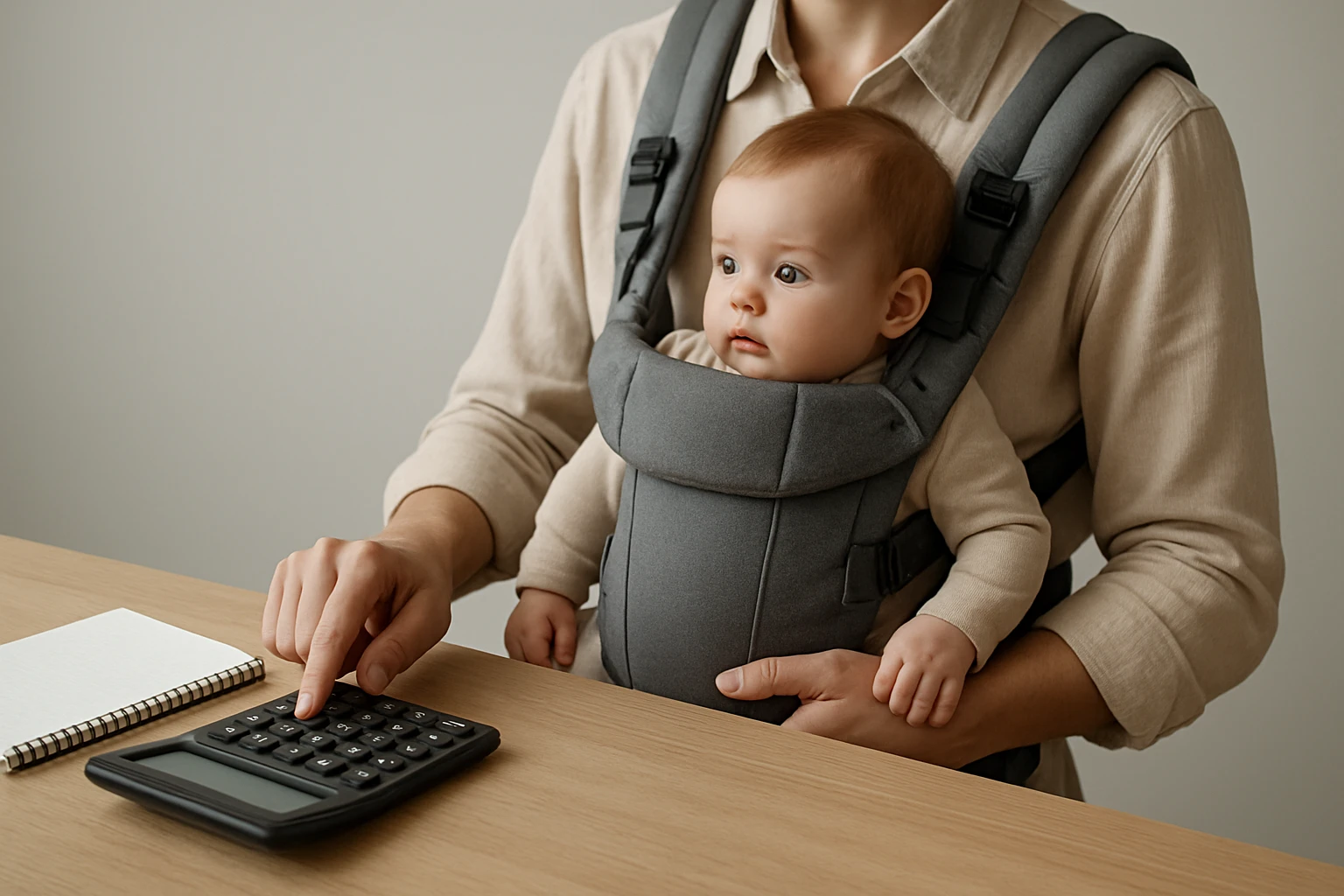
This guide explains how one can calculate weight distribution when using a baby carrier, ensuring comfort for both caregiver and child. Understanding the balance of weight reduces strain on the shoulders, neck, and hips, which is essential for prolonged wear. The step‑by‑step instructions include practical calculations, safety checks, and recommendations for tools that simplify the process. By the end of the article, the reader will be able to assess carrier fit with confidence and make informed adjustments.
What You’ll Need
- A reliable digital kitchen or pocket calculator (any basic model will suffice).
- A measuring tape or ruler to confirm the baby’s weight and carrier dimensions.
- The Hip Baby Wrap, a soft cotton sling that offers adjustable positioning.
- A notebook or digital note‑taking app to record measurements and calculations.
- A flat, stable surface for performing the calculations safely.
Step 1 – Determine the Baby’s Exact Weight
Accurate weight measurement forms the foundation of any distribution calculation. Use a calibrated infant scale and record the weight in pounds, as most carrier specifications are listed in this unit. If the scale provides kilograms, convert to pounds by multiplying by 2.20462. Write the final figure in the notebook; this number will be used repeatedly throughout the guide.
Step 2 – Identify the Carrier’s Load Capacity and Design Features
Review the carrier’s specifications to understand the maximum supported weight and the recommended carrying positions. The Hip Baby Wrap supports infants and toddlers ranging from 8 to 35 pounds, making it suitable for most newborns and early walkers. Its ergonomic design distributes weight across the torso, hips, and shoulders, which is critical for balanced load calculations. Knowing these limits prevents over‑loading and ensures the carrier functions within its engineered safety envelope.
Step 3 – Calculate the Ideal Front‑to‑Back Weight Ratio
The goal is to keep the center of gravity close to the caregiver’s spine, typically achieved with a 60 % front‑to‑40 % back weight ratio. Multiply the baby’s weight by 0.60 to obtain the target load carried on the front side of the carrier. For example, a 20‑pound infant yields a front load of 12 pounds (20 × 0.60). The remaining 8 pounds should be supported by the carrier’s back strap or hip belt, depending on the chosen position. Record both values; they guide adjustments to the sling’s tightness and positioning.
Step 4 – Adjust the Hip Baby Wrap to Achieve the Calculated Ratio
Begin by placing the baby in the sling using the recommended tummy‑forward position for newborns or the hip‑forward position for older infants. Tighten the carrier’s ring or buckle until the front load approximates the calculated 60 % value. The Hip Baby Wrap’s hand‑woven, 100 % cotton construction allows fine‑tuned adjustments without compromising comfort. Verify that the carrier’s hip strap is engaged when using the hip‑forward position, as this transfers the remaining weight to the hips, completing the 40 % back load. Perform a brief test walk to ensure the weight feels evenly distributed and does not cause shoulder strain.
Tips & Pro Tips
- Measure the baby’s weight weekly; infants gain weight rapidly, and calculations should be updated accordingly.
- When using the Hip Baby Wrap, alternate between tummy‑forward and hip‑forward positions to vary muscle engagement and prevent fatigue.
- Check the carrier’s seams and fabric for wear before each use; a compromised sling can alter weight distribution unexpectedly.
- Use a calculator with a clear display to avoid transcription errors; even a small mistake can shift the ratio significantly.
- Engage the caregiver’s core muscles while walking; a strong core further stabilizes the carrier’s load.
Troubleshooting
Problem: Shoulder discomfort after short periods of wear.
Solution: Re‑evaluate the front‑to‑back ratio using the calculator. If the front load exceeds 65 % of the baby’s weight, loosen the front strap slightly and ensure the hip belt is snug.
Problem: The baby slides forward in the sling.
Solution: Verify that the carrier’s ring is positioned at the caregiver’s waist level, not higher on the chest. Adjust the ring height and re‑tighten to maintain the calculated load distribution.
Conclusion
By following the outlined steps, one can accurately calculate and achieve optimal weight distribution when using a baby carrier. The process relies on simple arithmetic, a reliable calculator, and a well‑designed carrier such as the Hip Baby Wrap. Consistent monitoring and periodic adjustments safeguard the caregiver’s posture and the baby’s comfort. Implement these practices to enjoy safe, ergonomic babywearing for months to come.
Products Mentioned in This Guide
Frequently Asked Questions
How do I calculate the weight distribution in a baby carrier?
Measure the baby’s weight, note the carrier’s contact points, and use a simple calculator to divide the weight evenly between shoulders and hips.
Why is balanced weight distribution important when using a baby carrier?
Even distribution reduces strain on the caregiver’s shoulders, neck, and hips, preventing fatigue and injury during prolonged wear.
Can I use a regular kitchen calculator for carrier weight calculations?
Yes, any basic digital calculator can handle the simple division and percentage formulas needed for weight distribution.
What safety checks should I perform after adjusting the carrier?
Ensure the baby’s hips are in a natural ‘M’ position, the carrier feels snug but not restrictive, and the caregiver’s shoulders are level without excessive pressure.
Do I need special equipment to measure my baby’s weight accurately?
A digital baby scale is ideal, but a reliable kitchen scale or a pediatrician’s measurement can also provide accurate weight for calculations.