How to Adjust a Baby Carrier for Scoliosis: Step‑by‑Step Guide for Comfortable, Supported Babywearing
Introduction
This guide explains how to adjust a baby carrier to accommodate a child with scoliosis while protecting the caregiver’s posture. Readers will learn why proper alignment matters for both infant spinal health and adult back comfort. The instructions combine ergonomic principles with specific product recommendations. By the end, one will be able to babywear safely and confidently.
What You’ll Need
- An ergonomic baby carrier with adjustable waist and shoulder straps
- Measuring tape or a soft ruler
- Optional lumbar support cushion
- Clean hands for adjustments
All recommended carriers are available on Amazon and meet the criteria for scoliosis‑friendly babywearing.
Step 1: Choose a Carrier Designed for Hip‑Healthy, Lumbar‑Supportive Wear
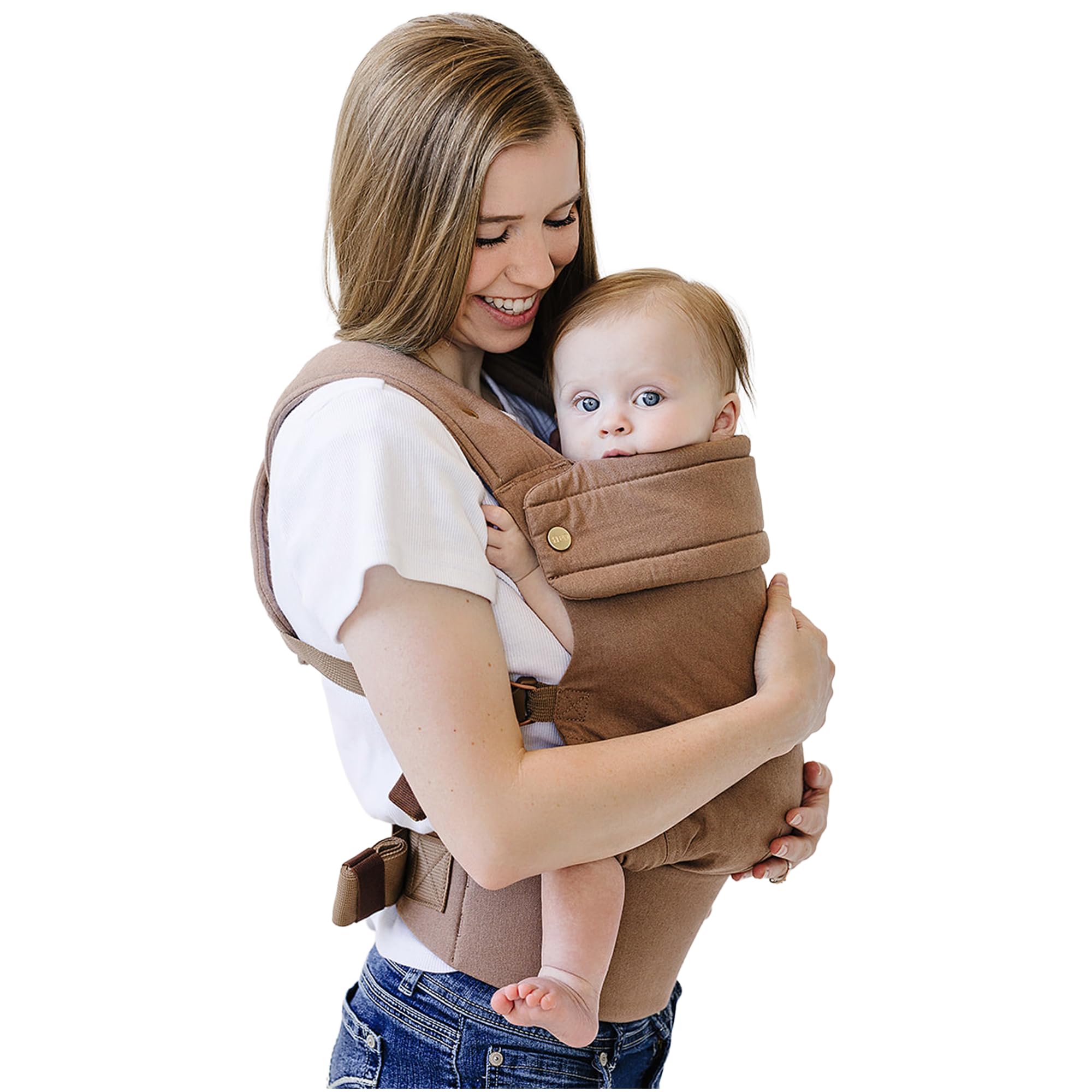
Select a carrier that offers built‑in waist and lumbar support, as these features reduce strain on the caregiver’s spine. The Ava & Oliver Coffee Baby Carrier provides an EVA waist panel, padded shoulder straps and a deep seat that promotes healthy hip positioning for the baby.
Key specifications include a weight capacity of 7–35 lb, front‑in and back‑carry options, and a breathable fabric that keeps both wearer and infant cool. Priced at $89.99 with a 4.7‑star rating from 58 reviews, it balances quality and affordability. This carrier is especially useful for step 2 because its adjustable waist belt can be fine‑tuned to maintain a neutral spine.
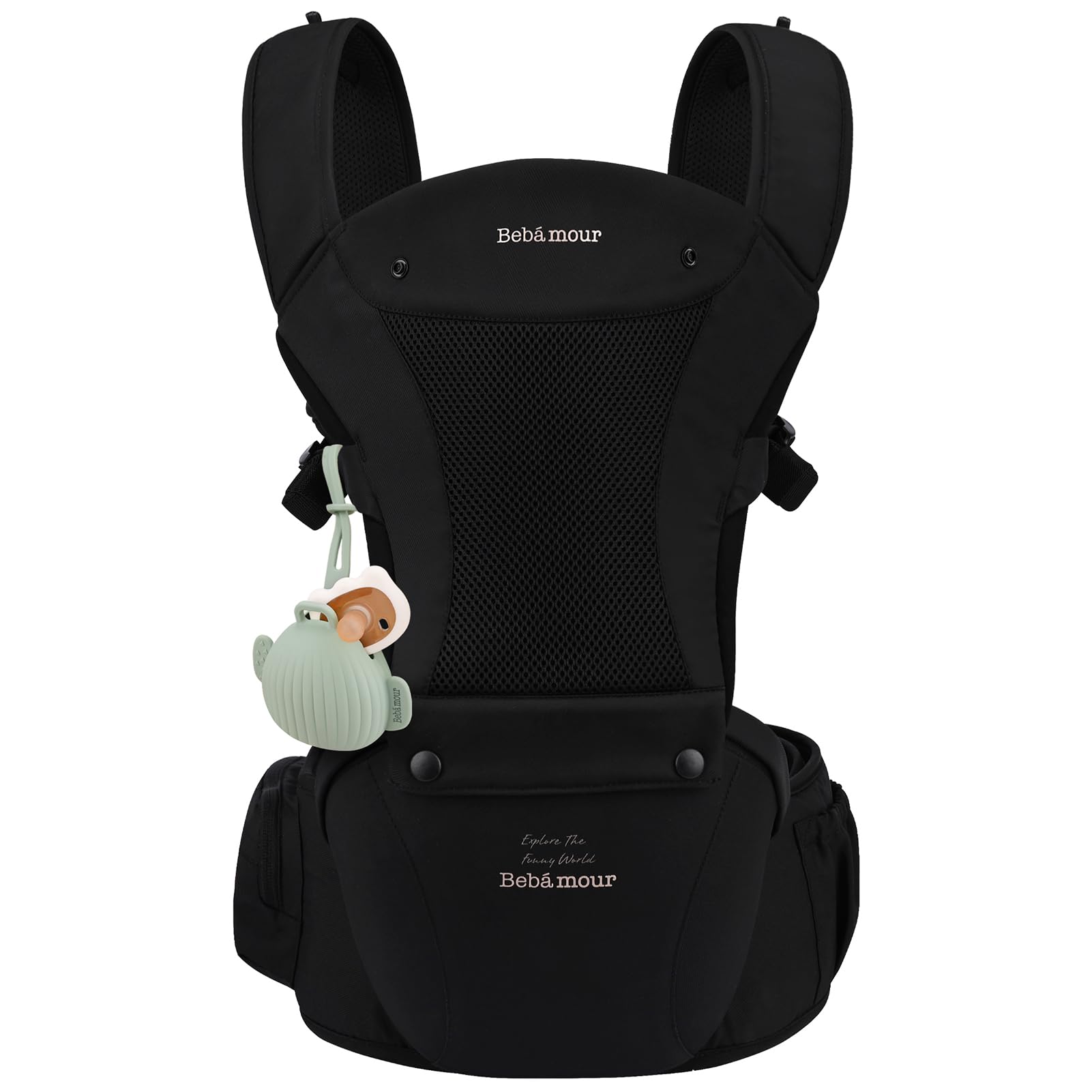
If budget is a concern, the Bebamour Black Baby Carrier offers similar lumbar support at $59.99 and a 4.7‑star rating from 454 reviews. However, the Ava & Oliver model provides a more structured waist panel that is advantageous for scoliosis adjustments.
Step 2: Measure Your Waist and Adjust the Waist Belt Correctly
Begin by locating the natural waistline, which sits just above the hips and below the rib cage. Wrap a soft measuring tape around this point and note the circumference; this measurement guides the initial belt setting.
For the Ava & Oliver carrier, loosen the waist strap completely, then thread the belt through the buckle and pull it snugly until the carrier sits at the measured waist. The EVA waist panel should rest flat against the lower back, providing lumbar support without creating a gap.
If using the Bebamour Black Carrier, adjust the waistband from 65‑118 cm using the built‑in extender for a custom fit. Ensure the band is tight enough to transfer weight to the hips rather than the shoulders, which minimizes scoliosis‑related strain.
Step 3: Position the Shoulder Straps for Even Weight Distribution
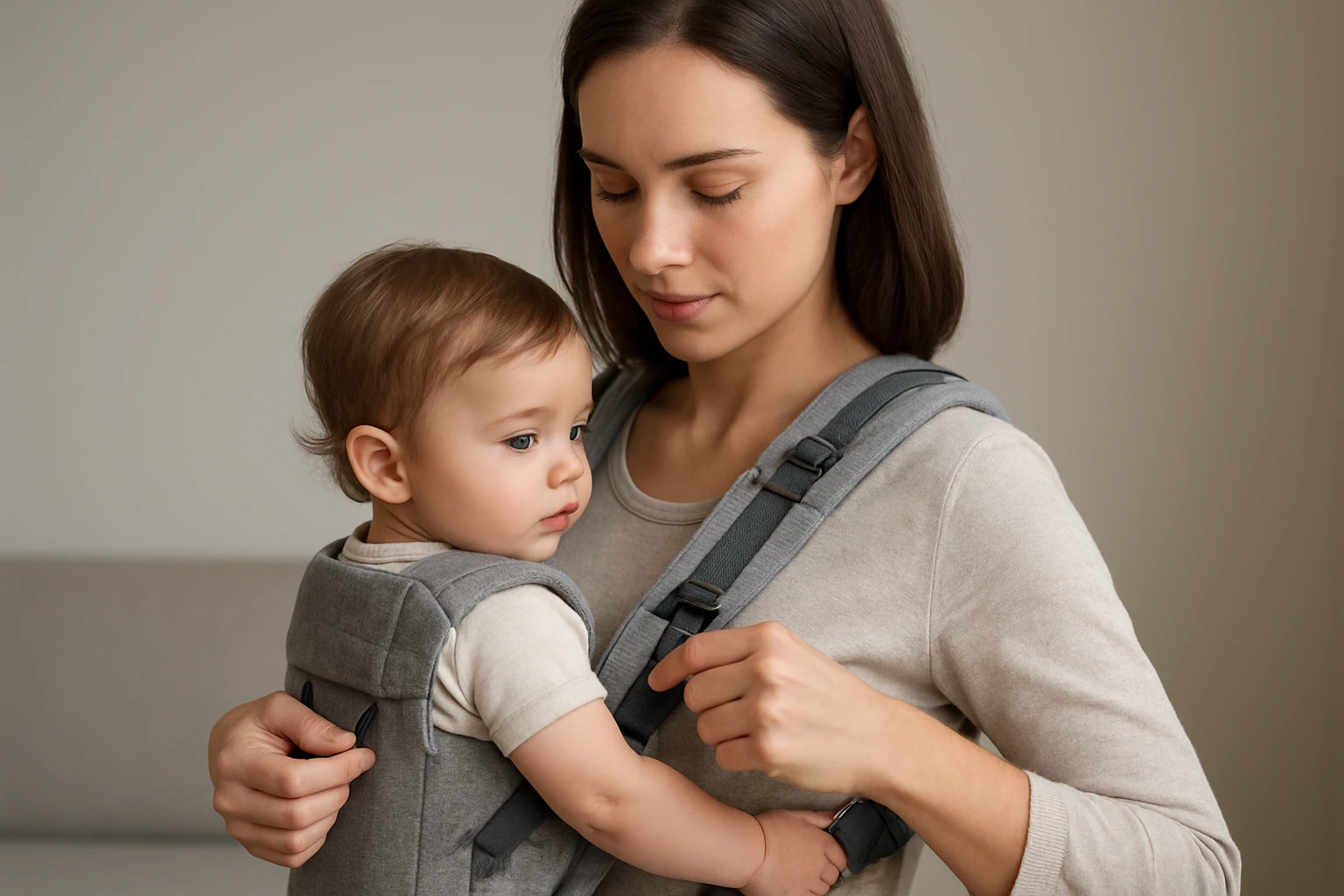
Raise the carrier onto the shoulders and slide the padded straps so they sit high on the collarbone, not on the neck. Tighten each strap independently until the carrier feels secure but not restrictive.
The Ava & Oliver carrier’s thick, padded shoulder straps distribute weight across the upper back, reducing the tendency to hunch. This is crucial for scoliosis patients because it encourages an upright posture while carrying.
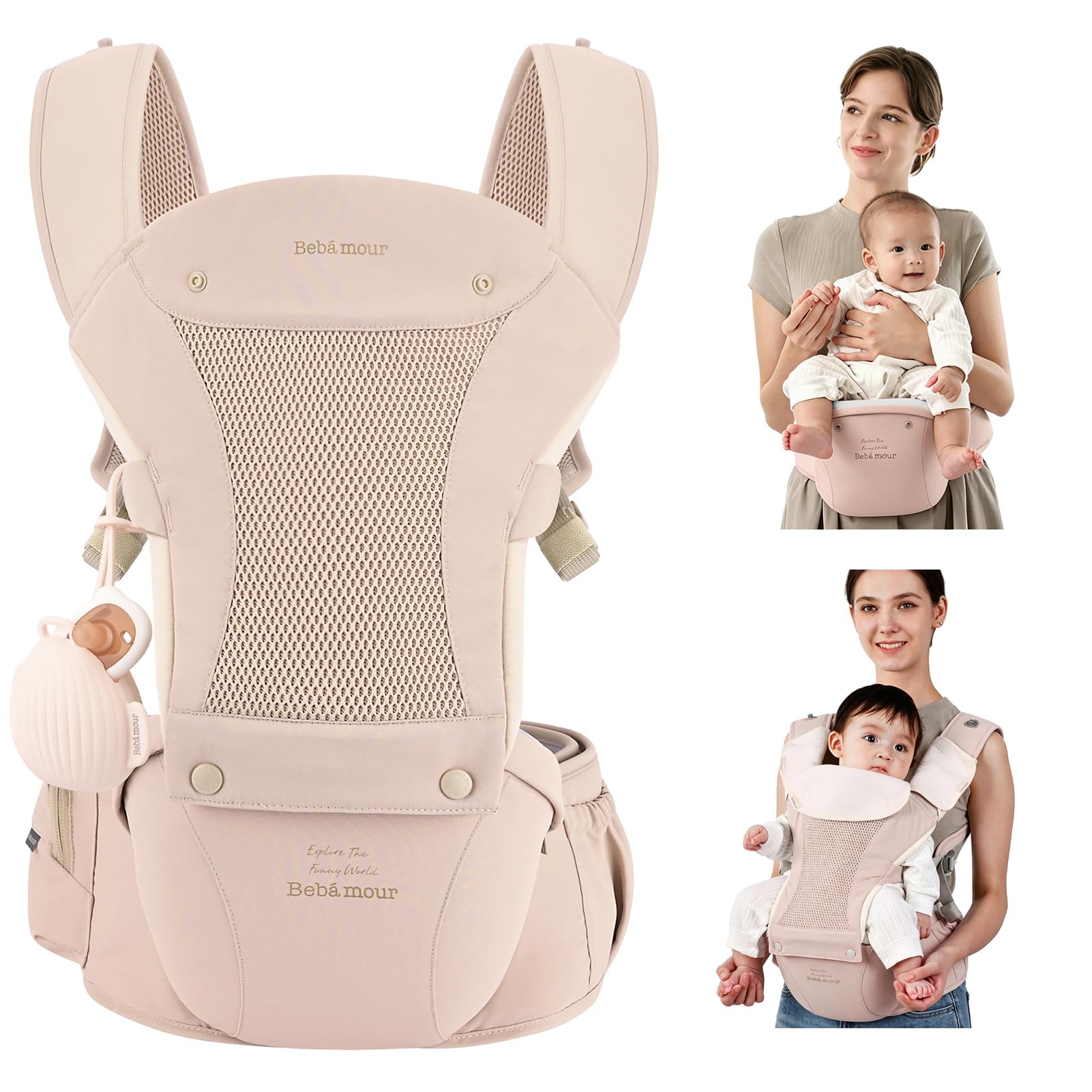
For the Bebamour Pink Carrier, the wide shoulder straps combined with the hip seat allow the caregiver to shift load to the hips, further protecting the spine. Adjust both sides until the carrier feels balanced.
Step 4: Insert the Baby and Verify Hip‑Healthy Seating
Place the infant into the carrier’s deep seat, ensuring the knees are higher than the bottom, creating an “M‑position.” This posture supports healthy hip development and prevents excessive pelvic tilt that could aggravate scoliosis.
Check that the baby’s back is supported by the carrier’s lumbar panel and that the carrier’s fabric does not compress the infant’s torso. The Ava & Oliver model’s breathable fabric helps maintain comfort during extended wear.
If the baby feels cramped, loosen the waist belt slightly and readjust the shoulder straps to maintain proper alignment.
Step 5: Add a Lumbar Support Cushion if Additional Back Relief Is Needed
Some caregivers with pronounced scoliosis benefit from a thin lumbar cushion placed between the carrier’s waist panel and the lower back. Choose a cushion that is firm yet flexible.
Position the cushion so it fills the natural curve of the lumbar region without pushing the carrier forward. This creates a supportive “scoop” that encourages a neutral spine.
When using the Ava & Oliver carrier, the built‑in EVA panel often eliminates the need for an extra cushion, but a supplemental pad can be added for extra comfort during long outings.
Step 6: Test Mobility and Adjust as Needed
Walk a short distance while holding the carrier, paying attention to any discomfort in the lower back, shoulders or hips. If the caregiver feels a pulling sensation on one side, re‑tighten the opposite shoulder strap and waist belt.
Perform a gentle side‑bending test: lean left and right while the baby is in the carrier. The carrier should remain stable and the caregiver’s spine should stay aligned.
Make minor adjustments until the carrier feels like an extension of the body rather than a separate load.
Tips & Pro Tips
- Always start with a relaxed posture before tightening straps; this prevents over‑correction.
- Use a mirror or ask a partner to check the carrier’s fit from the side to ensure the waist belt sits level.
- For colder weather, choose carriers with breathable yet insulated fabric to avoid stiffness that can affect posture.
- Consider a short‑term break every 30‑45 minutes to stretch the back and reset alignment.
Troubleshooting
Problem: Lower back pain persists after adjustment.
Solution: Verify that the waist belt is positioned at the natural waist and not higher on the ribs. Add a lumbar cushion if needed and ensure shoulder straps are not too low.
Problem: Baby feels cramped or slides out of the seat.
Solution: Re‑check the “M‑position” of the hips and tighten the waist belt to create a snug cradle. Adjust the shoulder straps to keep the carrier close to the body.
Conclusion
Adjusting a baby carrier for scoliosis requires careful attention to waist and shoulder strap placement, lumbar support, and the infant’s hip‑healthy seating. By following the six steps outlined, one can achieve a comfortable, supportive babywearing experience that protects both caregiver and child. The recommended carriers—Ava & Oliver Coffee Baby Carrier, Bebamour Black Carrier and Bebamour Pink Carrier—provide the necessary ergonomic features to make adjustments straightforward. Consistent practice and periodic checks will ensure long‑term comfort and spinal health.
Products Mentioned in This Guide
Frequently Asked Questions
How do I adjust the shoulder straps to support a baby with scoliosis?
Raise the straps so they sit level with your shoulders and tighten them until the carrier feels snug but not restrictive, keeping the baby’s spine aligned straight.
What waist‑belt settings help protect the caregiver’s posture?
Fasten the waist belt low on your hips and tighten it until the carrier distributes weight evenly across your pelvis, reducing lumbar strain.
Should I use a lumbar support cushion with a baby carrier?
Yes, adding a small lumbar cushion can fill gaps and maintain natural curve, especially when wearing the carrier for extended periods.
How can I check that the baby’s hips are in a healthy position while wearing the carrier?
Ensure the baby’s thighs form a ‘M’ shape with knees higher than the bottom, indicating proper hip‑healthy positioning.
Are there specific carriers recommended for scoliosis‑friendly babywearing?
Carriers with adjustable waist and shoulder straps, built‑in lumbar support—like the Ava & Oliver Coffee Baby Carrier—are designed for scoliosis‑friendly use.