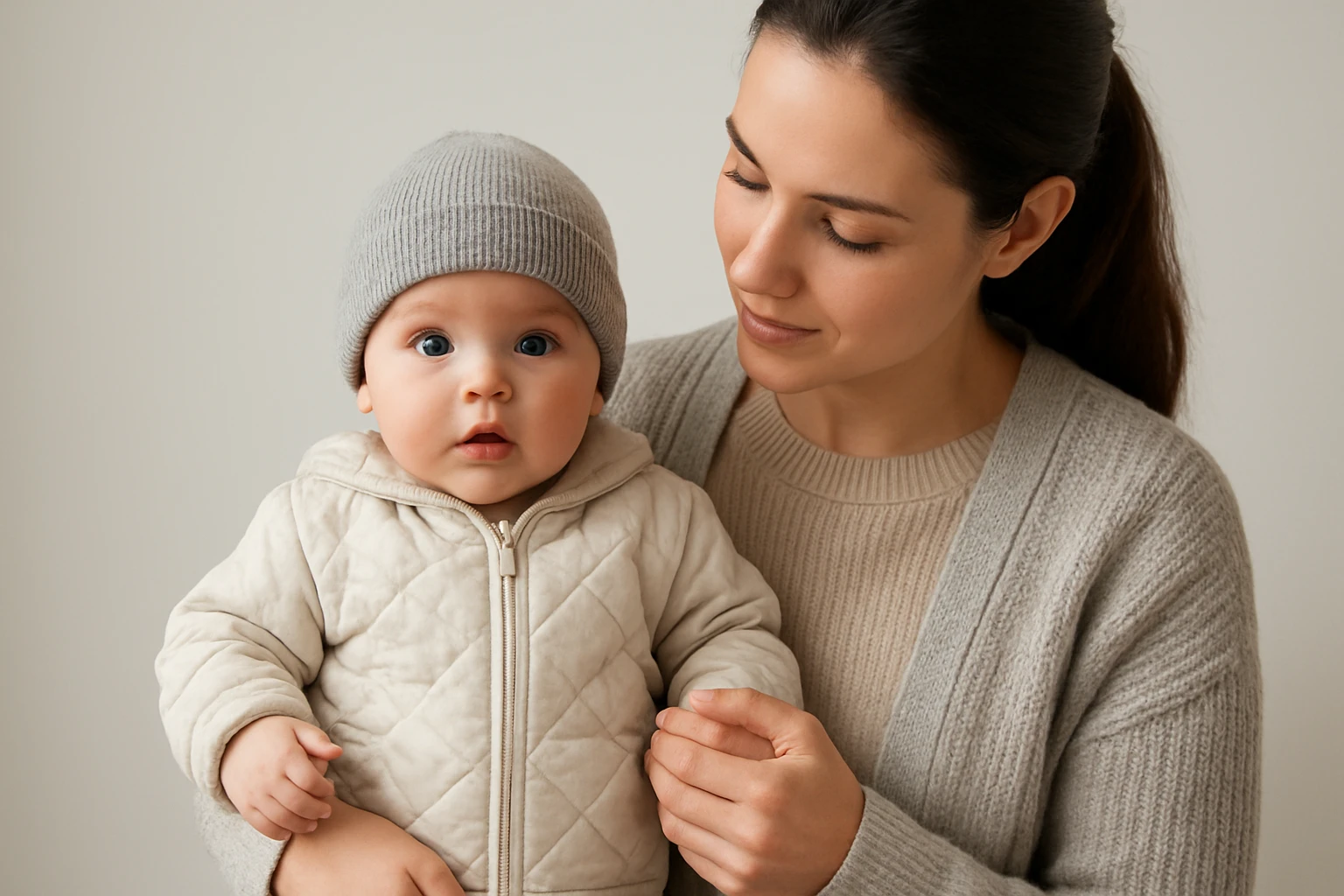

How to Layer Baby and Parent for Rapid Temperature Changes: Step‑by‑Step Guide to Staying Safe and Comfortable
Introduction
Rapid temperature fluctuations can challenge the comfort and health of both infants and adults. One moment a crisp morning may turn into a warm indoor environment, and the opposite scenario can also occur. Understanding how to layer clothing effectively allows one to respond quickly without compromising warmth or causing overheating. This guide provides a systematic approach that balances safety, practicality, and comfort for both baby and parent.
Readers will learn how to assess conditions, select appropriate base, mid, and outer layers, and make adjustments on the fly. The instructions incorporate a recommended product that simplifies the process for infants, while also offering alternatives that do not require purchase. By following the steps, caregivers will be equipped to protect delicate skin and maintain optimal body temperature in any setting.
What You'll Need
- Soft, breathable base layer for baby (e.g., Gerber Baby Girls' Onesies)
- Lightweight, moisture‑wicking shirts for parent
- Insulating mid‑layer garments such as fleece jackets
- Weather‑resistant outer shell (windbreaker or raincoat)
- Accessories: hats, mittens, socks, and swaddles
- Portable diaper changing pad for quick adjustments
Step 1: Assess the Environment
Begin by checking the current temperature, humidity, wind speed, and forecast for the next few hours. Use a reliable weather app on a smartphone, and note any rapid changes expected, such as a cold front approaching. Understanding the external conditions informs the selection of each clothing layer and prevents over‑dressing or under‑dressing. For indoor environments, consider heating or air‑conditioning settings, as they often differ significantly from outdoor conditions.
When caring for a baby, remember that infants cannot regulate body temperature as efficiently as adults. Therefore, a slight overestimation of warmth is safer than underestimation, especially during the first six months of life. Record the temperature range in a small notebook or phone note for future reference.
Step 2: Choose an Appropriate Base Layer for the Baby
The base layer should be soft, snug, and capable of wicking moisture away from the skin. Gerber Baby Girls' Onesies provide exactly these qualities. Constructed from super‑soft cotton, the onesies feature easy‑snap closures that simplify diaper changes without exposing the baby to drafts. Each pack contains eight short‑sleeve bodysuits, offering enough variety for a full day of layering.
Key features include a 4.8‑star rating from over 31,000 reviewers, indicating consistent satisfaction with comfort and durability. Priced at $24.95, the pack represents a cost‑effective solution for parents who need reliable base garments. The breathable fabric helps maintain a stable core temperature, reducing the risk of hypothermia in cold settings and overheating in warm indoor spaces.
Step 3: Add a Mid‑Layer for Insulation
After establishing a solid base, select a mid‑layer that adds warmth without adding bulk. For the baby, a lightweight fleece or cotton sleeper works well; for the parent, a fleece jacket or a merino wool sweater provides effective insulation. The mid‑layer should trap air close to the body while allowing moisture to escape, creating a thermal buffer.
If the temperature is expected to drop below 50°F (10°C), consider a zip‑up fleece that can be opened quickly if the environment becomes warmer. Ensure that the mid‑layer does not restrict movement, especially for the baby who needs freedom to crawl and explore.
Step 4: Apply an Outer Shell for Weather Protection
The outermost layer shields against wind, rain, and sudden temperature spikes. Choose a waterproof or wind‑resistant jacket with sealed seams for the parent, and a similar protective shell for the baby, such as a soft‑shell snowsuit. The outer shell should be easy to put on and remove, featuring front zippers or magnetic closures.
When transitioning indoors, the outer shell can be removed and stored in a diaper bag or backpack. This practice prevents overheating while maintaining readiness for the next outdoor exposure. For families using strollers, ensure the outer shell is compatible with stroller accessories like rain covers.
Step 5: Incorporate Adjustable Accessories
Accessories fine‑tune the thermal envelope. A hat made of fleece or wool prevents heat loss from the head, which accounts for up to 30% of body heat in infants. Mittens, socks, and booties should be breathable yet insulating; avoid cotton socks in cold weather because they retain moisture.
Swaddles or wearable blankets can serve as an extra layer for newborns, providing gentle compression that mimics the womb environment. For parents, a lightweight scarf can be added or removed as needed. Always keep a spare set of accessories in a portable bag for quick changes.
Step 6: Perform a Quick Temperature Check
Before leaving the house, conduct a brief temperature check on both baby and parent. Feel the back of the neck, chest, and hands; they should feel warm but not sweaty. For the baby, check the diaper area for signs of moisture, as damp skin can lead to rapid heat loss. Adjust layers accordingly by adding or removing a mid‑layer or outer shell.
During the outing, repeat the check every 30 minutes or whenever you move between indoor and outdoor environments. This habit builds an intuitive sense of when to modify clothing, reducing reliance on guesswork.
Tips & Pro Tips
- Layer in multiples of three: base, mid, outer. This rule simplifies decision‑making.
- Prefer fabrics with moisture‑wicking properties such as cotton blends for the base layer and polyester fleece for mid‑layers.
- Keep a small, zip‑top bag with spare onesies, socks, and mittens for emergencies.
- When using the Gerber Baby Girls' Onesies, rotate them throughout the day to allow each garment to air out and retain freshness.
- For parents, a lightweight, packable down vest can serve as an additional insulating layer without adding bulk.
Troubleshooting
Problem: Baby becomes sweaty after entering a heated indoor space.
Solution: Remove the outer shell and mid‑layer, leaving only the base onesie. Offer a breathable swaddle if needed, and monitor skin temperature.
Problem: Parent feels cold despite multiple layers.
Solution: Add a thin, insulated vest under the outer shell, and ensure that the hat and gloves are properly fitted. Check for drafts around windows or doors.
Conclusion
Effective layering for both baby and parent relies on understanding the environment, selecting appropriate garments, and making timely adjustments. By following the six steps outlined above, caregivers can maintain comfort and safety during rapid temperature changes. The recommended Gerber Baby Girls' Onesies serve as a reliable base layer that simplifies the process while providing superior softness and ease of use.
Implement these practices on every outing, and the routine will become second nature, allowing you to focus on enjoying time with your child rather than worrying about temperature extremes.
Products Mentioned in This Guide
Frequently Asked Questions
How can I quickly assess whether my baby needs an extra layer?
Feel the baby’s chest and back; if they feel cool to the touch or the baby’s skin looks pale, add a lightweight mid‑layer.
What is the best type of base layer for a newborn?
Choose a soft, breathable fabric like cotton or bamboo that wicks moisture without irritating delicate skin.
How do I choose an appropriate outer layer for both baby and parent?
Pick a wind‑ and water‑resistant jacket with a roomy fit so you can layer underneath without restricting movement.
Can I use the recommended baby layering product without buying it?
Yes, you can achieve similar results with a plain cotton onesie as the base layer and a fleece sweater as the mid‑layer.
What safety tip should I follow when layering in rapidly changing temperatures?
Avoid overheating by removing the outer layer as soon as you move indoors and always check the baby’s temperature every 10‑15 minutes.