Introduction
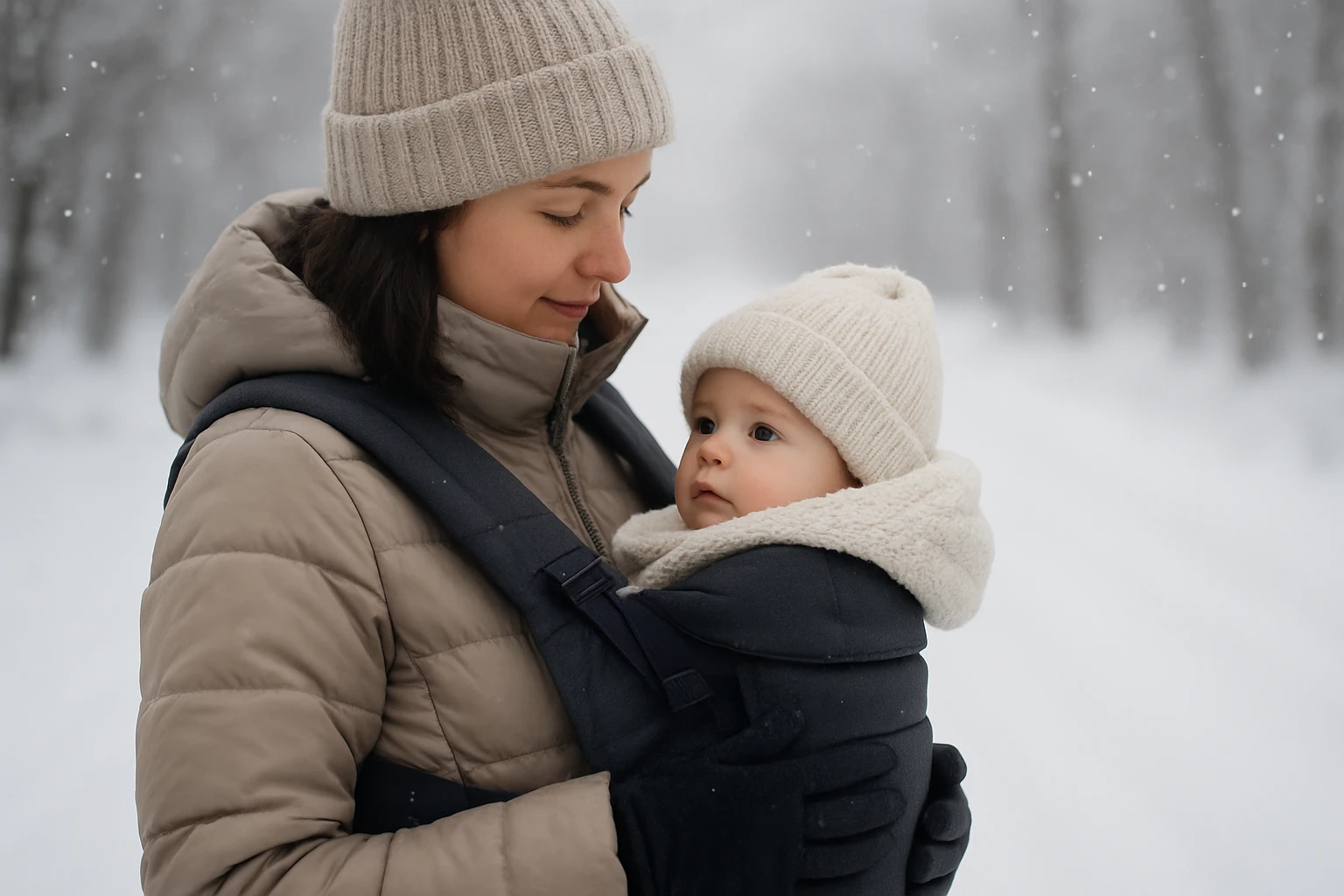
Winter babywearing can be a rewarding way to keep a newborn close while navigating snowy streets, but it also introduces unique safety challenges. This guide will teach readers twelve essential tips for babywearing in cold weather, explain why each tip matters, and recommend reliable tools that simplify the process. By following the instructions, one can protect a baby from hypothermia, maintain ergonomic posture, and enjoy outdoor activities without compromising comfort. The information is valuable for parents, caregivers, and anyone who wishes to combine bonding time with winter adventures.
What You’ll Need
- BabyBjörn Baby Carrier Free – $99.99, 4.7/5 stars (966 reviews)
- Boba Bliss Baby Carrier – $69.99, 4.4/5 stars (1,840 reviews)
- Ergobaby Omni Deluxe Baby Carrier – $219.99, 4.5/5 stars (234 reviews)
- Orzbow Winter Baby Carrier Cover – price not listed, high‑quality waterproof cover
- Layered clothing for parent and baby, insulated gloves, and a hat that covers the ears
- Thermal blanket or fleece liner for extra warmth
Step 1: Choose a Carrier Designed for Cold Weather
The first decision influences every subsequent safety measure. A carrier with breathable mesh and built‑in back support reduces heat buildup while maintaining ergonomic posture. The BabyBjörn Baby Carrier Free offers a 3D mesh construction that promotes airflow, and its waist belt distributes weight evenly, preventing strain on the parent’s lower back. Priced at $99.99 with a 4.7‑star rating, it is a dependable option for parents who value comfort and durability.
Step 2: Verify the Carrier’s Weight Range Matches Your Baby
Carriers are engineered for specific weight limits; exceeding them can compromise support and increase the risk of hip dysplasia. The Ergobaby Omni Deluxe Baby Carrier supports babies from 7 to 45 pounds, covering newborn to toddler stages. Its padded lumbar support and adjustable straps ensure a snug fit throughout growth, making it ideal for families planning multiple seasons of use. At $219.99 and a 4.5‑star rating, the carrier represents a long‑term investment in safety.
Step 3: Add a Dedicated Winter Cover
Even the most breathable carrier cannot shield a baby from wind, snow, or sub‑zero temperatures without an external barrier. The Orzbow Winter Baby Carrier Cover is waterproof, windproof, and includes a removable hood, providing a versatile shield that can be attached to any carrier. Its polyester pongee exterior and coral fleece liner create a warm micro‑climate while remaining safe for delicate skin. This cover is especially useful when the carrier is used for extended walks or hikes.
Step 4: Dress Your Baby in Layered, Breathable Fabrics
Layering prevents overheating and allows quick adjustment as temperature fluctuates. Start with a thin, moisture‑wicking bodysuit, add a fleece or down vest, and finish with a weather‑proof snowsuit. Ensure that the layers do not create bulk that interferes with the carrier’s hip‑healthy seat. A snug, but not tight, fit maintains the natural “M” shape of the baby’s hips, a principle emphasized in the design of the Boba Bliss Baby Carrier, which is certified hip‑healthy.
Step 5: Protect the Baby’s Head and Ears
Heat loss from the head accounts for a significant portion of overall body heat loss in infants. Use a soft, insulated hat that covers the ears and fits comfortably under the carrier’s neckline. If the carrier includes a built‑in hood, such as the Orzbow Winter Baby Carrier Cover, ensure the drawstring is adjusted to seal out drafts without compressing the baby’s scalp.
Step 6: Secure the Carrier’s Straps Properly
Improperly tightened straps can cause the carrier to shift, leading to an uneven weight distribution and potential injury. Follow the carrier’s strap‑indicator markings to achieve a snug yet comfortable fit. The Ergobaby Omni Deluxe Baby Carrier includes one‑handed slider adjustments that make fine‑tuning quick, even while wearing gloves.
Step 7: Position the Baby Correctly for Winter
For cold weather, the inward‑facing (front‑to‑parent) position is recommended because it keeps the baby’s torso close to the parent’s body heat. Ensure the baby’s chin is away from the chest to keep the airway clear, and that the carrier’s leg openings are wide enough for the hips to form a natural “M”. The Boba Bliss Baby Carrier features a gathered seat that supports this posture while distributing weight evenly.
Step 8: Monitor Temperature Frequently
Even with layers and a cover, a baby can become too warm or too cold. Check the baby’s neck or back of the head for signs of sweating or chill. Adjust layers or the cover as needed, and remember that wind chill can make a mild temperature feel much colder. A quick hand‑on check every 15‑20 minutes is a prudent habit.
Step 9: Keep Hands Warm and Dexterous
Cold, stiff fingers make strap adjustments difficult and increase the risk of dropping the baby. Wear insulated gloves with a tactile grip, or use glove liners that allow fine motor control. The Ergobaby Omni Deluxe Baby Carrier’s one‑handed sliders are designed to work with gloved hands, reducing the need to remove gloves for adjustments.
Step 10: Choose Safe Walking Surfaces
Snow and ice create slippery conditions that can strain the carrier’s waist belt and shoulder straps. Walk on cleared sidewalks, use traction cleats on shoes, and avoid steep inclines when possible. If a path is icy, consider a stroller with a carrier attachment instead of direct babywearing.
Step 11: Carry Emergency Supplies
Always have a small bag with a spare blanket, extra diapers, and a phone charger within reach. The Ergobaby Omni Deluxe Baby Carrier includes six built‑in storage pockets, allowing you to keep essential items close without adding bulk to your outer coat.
Step 12: Perform a Final Safety Check Before Each Outing
Before stepping outside, verify that all buckles are locked, straps are tightened, and the winter cover is securely fastened. Ensure the baby’s face is visible and not obstructed by the hood or scarf. A quick “wiggle test”—gently moving the carrier side to side—helps confirm that the weight is evenly distributed and that the carrier remains stable.
Tips & Pro Tips
- Use a breathable liner underneath the winter cover to wick moisture away from the baby’s skin.
- When the temperature drops below 20°F, consider adding a thin, insulated sleeping sack inside the carrier for additional warmth.
- Practice carrier adjustments indoors before heading out; familiarity reduces the time spent fiddling with straps in the cold.
- If the baby shows signs of discomfort, such as excessive crying or restlessness, stop immediately and reassess the environment.
Troubleshooting
Problem: Baby feels too warm.
Solution: Remove an outer layer, open the winter cover slightly, and check for sweat on the neck.
Problem: Carrier straps slip during use.
Solution: Use the carrier’s strap‑indicator markings to tighten the sliders, and ensure the waist belt sits high on the hips.
Conclusion
Babywearing in snow can be safe and enjoyable when parents follow these twelve evidence‑based steps. Selecting a carrier with breathable mesh, adding a waterproof winter cover, dressing the baby in layers, and performing regular safety checks create a comprehensive protection strategy. By integrating the recommended tools, one can maintain ergonomic posture, safeguard against cold, and focus on the bonding experience that babywearing uniquely provides.
Products Mentioned in This Guide
Frequently Asked Questions
What are the most important steps to keep a baby warm while babywearing in snow?
Dress the baby in layers, use a weather‑proof cover for the carrier, protect the head and hands, and avoid prolonged exposure to freezing temperatures.
How can I ensure ergonomic posture for both me and my baby in cold weather?
Choose a carrier with good lumbar support, keep the baby’s hips in the M‑position, and wear a supportive winter jacket that doesn’t restrict movement.
Which baby carriers are recommended for winter babywearing?
Highly rated options include the BabyBjörn Baby Carrier Free, Boba Bliss Baby Carrier, and Ergobaby Omni Deluxe, all of which accommodate layers and protective covers.
What signs indicate my baby might be getting too cold during a walk?
Look for cool skin, pale or bluish extremities, fussiness, and a drop in activity; if any appear, head indoors immediately.
Do I need a special carrier cover for snow, and what features should it have?
Yes, a waterproof, breathable cover with a zippered front, a built-in hood, and adjustable ventilation keeps wind out while preventing overheating.