Introduction
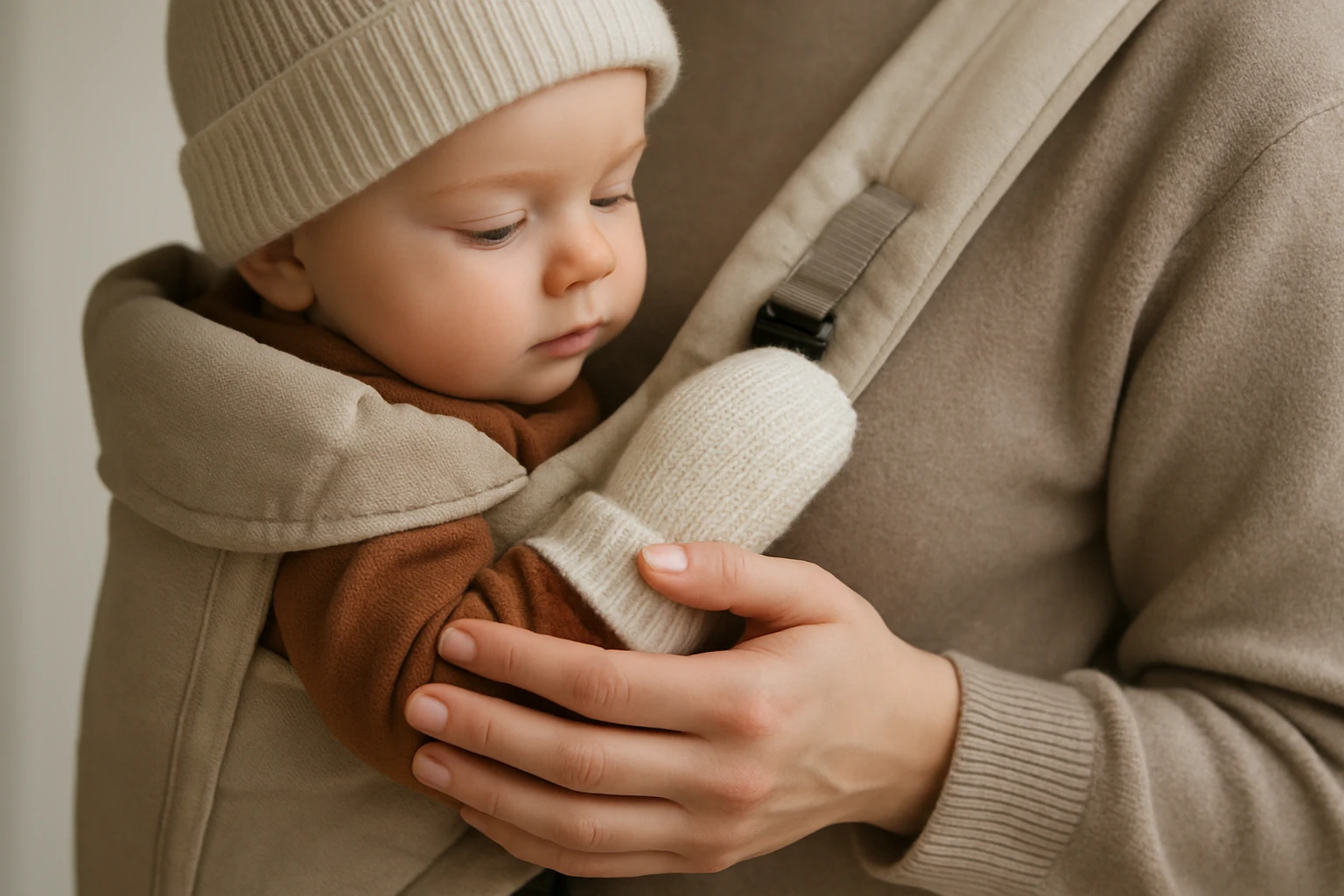
Parents who use soft‑structured carriers often wonder how to protect a baby’s delicate hands from winter chill. This guide explains ten proven techniques that maintain warmth without compromising safety or comfort. Readers will learn how to layer, choose appropriate mittens, and adjust carrier settings while keeping hands functional for exploration. By the end, one will be able to walk confidently in cold weather, knowing the infant’s hands remain cozy and protected.
What You’ll Need
- A carrier that offers adjustable straps and a breathable back panel.
- Appropriate winter mittens for infants and toddlers.
- Layering pieces such as a lightweight fleece liner.
- Optional accessories: hand warmers, wind‑proof blankets, and a weather‑proof carrier cover.
Step 1: Choose a Carrier With a Secure Wrist Support
Start by selecting a carrier that includes a built‑in wrist strap or a removable support loop. This feature prevents the baby’s arms from slipping out when the hands are gloved, reducing the risk of sudden releases. A carrier with a snug, yet breathable, back panel also helps retain body heat, indirectly keeping the hands warmer.
Step 2: Dress the Baby in a Thin, Moisture‑Wicking Base Layer
Before adding mittens, place a lightweight, moisture‑wicking onesie or bodysuit on the infant. Fabrics such as merino wool or polyester blends pull sweat away from the skin, preventing the hands from becoming damp and cold. The base layer should be snug but not restrictive, allowing the carrier’s straps to sit comfortably.
Step 3: Add a Soft Fleece Liner for Extra Insulation
If the temperature drops below freezing, a thin fleece liner can be slipped under the carrier’s waist belt. The fleece adds a layer of trapped air, which acts as insulation for the entire torso and, consequently, the hands. Ensure the liner does not create bulk that interferes with the carrier’s buckles.
Step 4: Select the Right Mittens for the Temperature Range
Choosing mittens that match the weather conditions is crucial. For moderate cold (32‑40°F), a lightweight pair with a soft interior suffices. For harsher conditions, mittens with waterproof shells and Thinsulate insulation provide superior protection. The following product excels in this category:
Zelda Matilda Kids Waterproof Mittens feature a 100‑gram Thinsulate core, a waterproof outer layer, and an adjustable elastic band that keeps them securely on small hands. Priced at $17.99, they hold a 4.7‑star rating from over 20,000 reviewers, indicating high satisfaction for warmth, durability, and fit.
Step 5: Ensure Proper Fit and Secure the Mittens
After placing the mittens on the baby’s hands, verify that the elastic band sits comfortably around the wrist without constricting circulation. The band should be tight enough to prevent slipping but loose enough to allow a finger to slide in easily. A well‑fitted mitten reduces heat loss and eliminates the need for constant adjustment while walking.
Step 6: Use a Velcro‑Strapped Mittens Pair for Extra Security
When the child is very active, mittens that incorporate a Velcro wrist strap provide an additional safety net. The strap locks the mitten in place, preventing it from sliding off during arm movements. An affordable option that meets this criterion is:
Sarfel Baby & Toddler Winter Mittens 2 Pack. These mittens are priced at $9.99, have a 4.5‑star rating from 1,032 reviews, and include a simple strap that stays fastened even when the baby wiggles. They are ideal for mild to moderate cold and provide a budget‑friendly solution.
Step 7: Layer a Thin, Breathable Hand Cover Over the Mittens
For wind‑chill situations, a thin, breathable hand cover can be slipped over the mittens. Look for a fabric that allows moisture to escape while blocking wind, such as a soft nylon or polyester blend. This layer acts like a windbreaker, preserving the heat trapped by the mittens without adding bulk.
Step 8: Keep Hands Dry with a Moisture‑Resistant Carrier Cover
A carrier cover designed for winter conditions shields both the carrier and the baby’s hands from precipitation. The cover should be easy to attach and detach, and it must not interfere with ventilation. By keeping the carrier’s interior dry, the baby’s hands remain less likely to become damp, which is a common cause of rapid cooling.
Step 9: Use Reusable Hand Warmers for Extreme Cold
When temperatures plunge below 20°F, reusable hand warmers placed inside the mittens can provide a supplemental heat source. Choose hand warmers that are safe for direct skin contact and that release heat gradually over several hours. Position the warmer in the palm area, ensuring it does not press hard against the baby’s skin.
Step 10: Monitor Hand Warmth Regularly
Even with the best preparation, it is essential to check the baby’s hands every 15‑20 minutes. Look for signs of redness, numbness, or excessive sweating. If the hands appear cold, gently rub them to stimulate circulation and consider adding an extra layer or moving to a warmer environment. Consistent monitoring prevents hypothermia and ensures comfort throughout the outing.
Tips & Pro Tips
- Choose mittens with a soft interior (faux fur or fleece) to avoid irritation on delicate skin.
- Prefer mittens with a snug wrist band rather than a loose cuff, as cuffs can let cold air in.
- Carry a spare pair of mittens in a waterproof pouch; babies can lose a mitten quickly.
- When using hand warmers, test the temperature against an adult’s palm first to avoid burns.
- Consider a lightweight, insulated carrier cover that also protects the baby’s legs and torso.
Troubleshooting
Problem: Mittens keep slipping off during movement.
Solution: Switch to a pair with an adjustable Velcro strap, such as the Sarfel mittens, and ensure the wrist band is positioned just above the hand, not over the knuckles.
Problem: Hands become sweaty despite using moisture‑wicking layers.
Solution: Reduce the number of inner layers and add a breathable hand cover that allows vapor to escape.
Problem: Baby’s hands feel cold even with mittens on.
Solution: Verify that the carrier’s back panel is not overly open; add a fleece liner or a carrier cover to trap more body heat.
Conclusion
Keeping a baby’s hands warm in a carrier requires a combination of proper layering, well‑chosen mittens, and vigilant monitoring. By following the ten steps outlined above, parents can enjoy winter walks without compromising safety or comfort. The recommended products—Zelda Matilda Kids Waterproof Mittens, Sarfel Baby & Toddler Winter Mittens 2 Pack, and Weradau Fleece Lined Baby Mittens 2 Pack—provide reliable solutions for a range of temperature conditions. Implement these practices, stay attentive to the infant’s cues, and the cold season will become an enjoyable adventure.
Products Mentioned in This Guide
Frequently Asked Questions
What type of carrier best protects a baby’s hands from cold?
Choose a soft‑structured carrier with built‑in wrist support or a removable loop and a breathable back panel to keep arms secure and retain heat.
How can I layer clothing to keep my baby’s hands warm in a carrier?
Add a lightweight fleece liner under the carrier and dress the baby in thin, insulated mittens, then cover the hands with a wind‑proof blanket if needed.
Are hand warmers safe to use with infants in carriers?
Yes, as long as they are low‑heat, disposable hand warmers placed in a breathable pocket or blanket away from direct skin contact.
Do I need a special carrier cover for winter walks?
A weather‑proof carrier cover adds an extra layer of wind and moisture protection, helping both the baby’s body and hands stay warmer.
How can I ensure my baby’s hands stay functional for exploration while staying warm?
Use mittens with a soft, flexible cuff that allows finger movement, or opt for split‑finger gloves that keep fingers dexterous yet insulated.