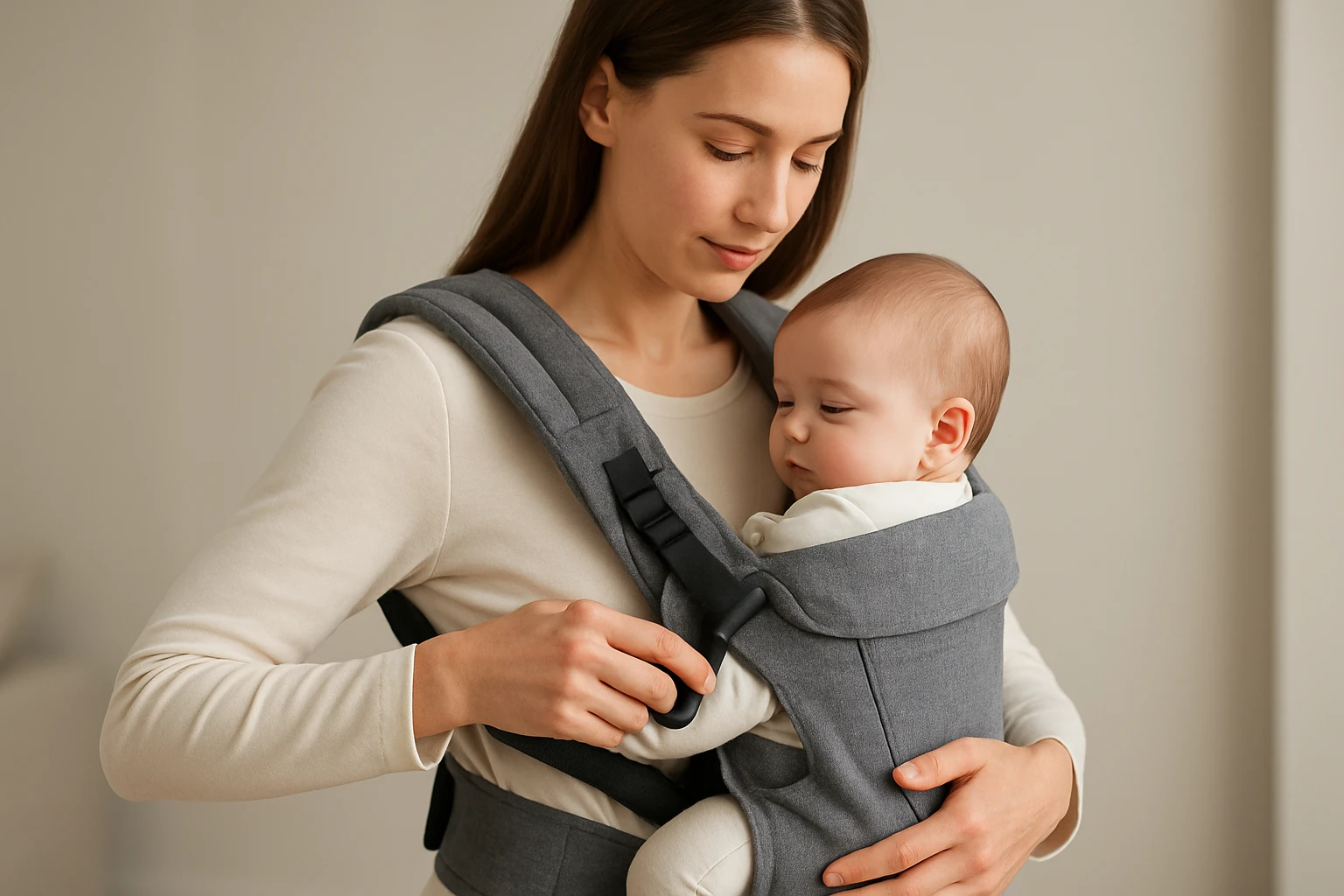

How to Make Ergonomic Baby Carriers Fit Petite Parents: 12 Expert Hacks to Improve Comfort, Support & Prevent Back Pain
Introduction
Petite parents often find standard baby carriers uncomfortable because the straps and waist belts are designed for larger frames. This guide explains twelve expert hacks that enable a snug, ergonomic fit without sacrificing safety or style. Readers will learn how to adjust straps, add supportive accessories, and use positioning techniques that distribute weight evenly. By following these steps, one can enjoy longer baby‑wearing sessions while protecting the back and shoulders.
What You’ll Need
- A high‑quality ergonomic carrier such as the BabyBjörn Free Baby Carrier
- Adjustable waist belt or supplemental lumbar support strap
- Soft, breathable padding inserts (optional)
- Measuring tape or ruler for precise strap length
- Mirror or friend for visual feedback
Step 1 – Choose a Carrier Designed for Adjustability
The foundation of ergonomic comfort is a carrier that offers multiple adjustment points. The BabyBjörn Free Baby Carrier provides a built‑in back support, waist belt, and padded shoulder straps that can be fine‑tuned for a petite frame. Its 3D mesh fabric keeps both parent and infant cool during extended wear, and the carrier supports babies from birth to approximately fifteen months. With a rating of 4.6 out of 5 stars from 970 reviews and a price of $119.99, it offers reliable comfort and durability.
Why this carrier matters: the adjustable head support and leg positioning ensure that the infant’s hips remain in a natural “M” shape, reducing strain on the parent’s lower back. The quick‑on, quick‑off design also eliminates the need for assistance, which is crucial when one is adjusting fit on the go.
Step 2 – Measure Your Torso Length Before Adjusting
Petite parents benefit from measuring the distance from the base of the neck to the top of the hip bone. Use a flexible measuring tape to record this length, then compare it to the carrier’s strap guidelines. This measurement guides the initial strap length, preventing the carrier from sitting too low on the hips, which can create a lever effect and increase lumbar stress.
After measuring, set the shoulder straps so that they rest comfortably on the shoulders without digging into the deltoids. The waist belt should sit low on the hips, not the waist, to maximize pelvic support.
Step 3 – Utilize the Built‑In Back Support
The carrier’s built‑in back support functions as a miniature lumbar brace. Position it directly against the small of the back, aligning with the natural curve of the spine. This placement redistributes the baby’s weight from the shoulders to the hips, which is essential for petite users whose torso length offers less leverage.
For added reinforcement, consider a thin lumbar pillow that slides beneath the back support. This accessory does not interfere with the carrier’s safety features but adds a layer of cushioning for longer outings.
Step 4 – Adjust the Waist Belt for Hip Anchoring
Secure the waist belt tightly around the hips, ensuring the carrier’s weight is anchored low. Tightening the belt too high shifts the load to the lower back, causing discomfort. A snug hip anchor creates a stable base, allowing the shoulder straps to bear less weight.
If the carrier’s belt feels short, use an elastic extension strap designed for baby carriers. This extension adds length without compromising safety, and it can be removed once the carrier fits perfectly.
Step 5 – Add Padding to Shoulder Straps
Even with adjustable straps, petite shoulders may still experience pressure points. Adding a thin, breathable padding insert between the strap and the shoulder can alleviate this pressure. Choose a padding material that wicks moisture, such as a soft micro‑fleece, to maintain comfort during warm weather.
Do not use bulky pads that alter the carrier’s geometry, as they can affect the infant’s positioning. A 3‑mm pad is sufficient to cushion without shifting the weight distribution.
Step 6 – Position the Baby Correctly
Proper infant positioning is a critical component of parental ergonomics. Ensure the baby’s head is supported, the chin is away from the chest, and the hips are in the ergonomic “M” position. The carrier’s adjustable head support should cradle the infant’s head without forcing the neck into extension.
When the baby faces inward, the parent’s spine remains more upright, which is preferable for petite users. If outward‑facing is desired, alternate between positions to prevent prolonged asymmetrical loading.
Step 7 – Perform a Mirror Check
After securing the carrier, stand in front of a full‑length mirror. Verify that the shoulders are relaxed, the waist belt is low on the hips, and the back support aligns with the lumbar curve. The baby’s chest should be at the parent’s chest level, and the carrier should not sag.
Seeing the alignment visually helps correct subtle misadjustments that can lead to back pain later in the day.
Step 8 – Take Short Test Walks
Begin with five‑minute walks around the house to assess comfort. Pay attention to any tingling, shoulder digging, or lower‑back fatigue. If discomfort arises, readjust the straps by a centimeter or two and repeat the walk.
Gradually increase walking time as the body adapts. This incremental approach prevents over‑loading the spine before the carrier is fully optimized.
Step 9 – Use a Supportive Carrying Sling for Quick Outings
For brief trips where a full carrier may feel excessive, a lightweight sling can serve as a supplemental tool. Choose a sling made from breathable cotton that can be layered over the carrier’s waist belt for extra hip support.
The sling does not replace the carrier but offers an additional anchor point, especially useful when navigating stairs or uneven surfaces.
Step 10 – Incorporate Core‑Strengthening Exercises
Even the best‑adjusted carrier cannot compensate for weak core muscles. Encourage petite parents to engage in daily core‑strengthening routines, such as pelvic tilts, bird‑dogs, and gentle planks. Strong core muscles stabilize the spine, reducing the likelihood of pain during baby‑wearing.
These exercises should be performed for ten minutes each day, ideally before the first carrier session of the day.
Step 11 – Schedule Regular Breaks
During prolonged outings, plan a five‑minute break every thirty minutes. Use this time to release the carrier, stretch the shoulders, and walk without load. This practice prevents muscle fatigue and improves circulation.
Breaks also give the baby an opportunity to move and stretch, which contributes to healthy hip development.
Step 12 – Maintain the Carrier Properly
Regularly inspect the carrier for wear on the straps, buckles, and mesh fabric. Clean the carrier according to the manufacturer’s instructions to preserve breathability. A well‑maintained carrier retains its ergonomic properties and continues to provide a safe fit.
Replace any damaged components promptly; using a compromised carrier can negate all ergonomic adjustments.
Tips & Pro Tips
- Always start adjustments while the carrier is empty; it is easier to gauge strap length without the baby’s weight.
- Use a small safety pin to mark the optimal strap length on the carrier; this visual cue speeds up future adjustments.
- When carrying multiple infants, consider a carrier with a higher weight capacity to avoid over‑loading the back.
- Keep a portable mirror in a diaper bag for on‑the‑go checks.
Troubleshooting
Problem: Shoulder straps dig into the shoulders
Solution: Add a thin padding insert, then re‑tighten the waist belt to shift more weight onto the hips.
Problem: Lower back aches after 20 minutes
Solution: Verify that the back support is centered and that the waist belt sits low on the hips. If the belt is too high, use an extension strap.
Problem: Baby feels too hot
Solution: Choose a carrier with breathable mesh, such as the BabyBjörn Free Baby Carrier, and dress the baby in lightweight clothing.
Conclusion
Petite parents can achieve ergonomic comfort by following these twelve systematic hacks. Adjusting straps, anchoring the waist belt low, and using supportive accessories create a balanced load that protects the spine. Combining proper carrier selection with core strengthening and regular breaks ensures that baby‑wearing remains a joyful, pain‑free experience. One should feel confident that the techniques outlined here will extend the usability of any high‑quality carrier.
Products Mentioned in This Guide
Frequently Asked Questions
How can petite parents adjust the shoulder straps of a baby carrier for a better fit?
Slide the straps to the smallest notch, then use a measuring tape to trim excess or add a padding insert for a snug, comfortable grip.
What accessories help improve lumbar support for small‑frame wearers?
A supplemental lumbar strap or a thin, breathable padding insert placed under the waist belt distributes weight and eases back strain.
Can a standard ergonomic carrier be modified to fit a petite body without compromising safety?
Yes, by tightening the waist belt, using the smallest strap settings, and adding optional padding, you maintain safety while achieving a custom fit.
Why is visual feedback important when adjusting a baby carrier?
Using a mirror or a friend lets you see the carrier’s position, ensuring the baby is centered and the straps are evenly tensioned.
What is the best way to measure strap length for a petite parent?
Wrap a measuring tape around your torso where the waist belt sits, then adjust the strap to be just tight enough to stay in place without restricting breathing.