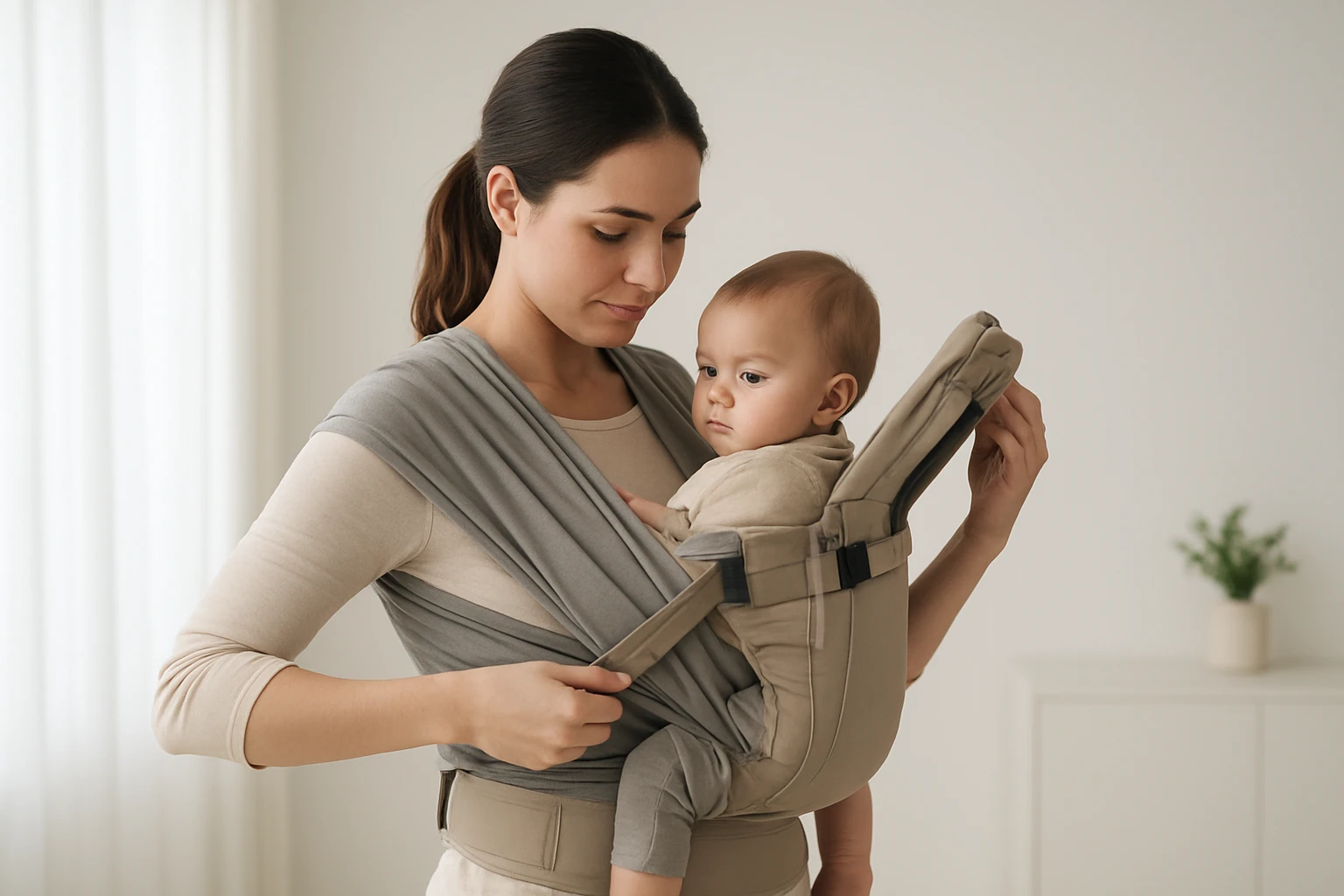
How to Transition from a Wrap to a Structured Carrier: A Safe, Step‑by‑Step Babywearing Guide
Introduction
This guide explains how a caregiver can move from using a traditional infant wrap to a structured carrier while maintaining safety and comfort for both baby and adult. The reader will learn how to assess developmental readiness, select appropriate equipment, and practice ergonomic positioning. Each step is presented with clear, actionable instructions that can be followed without prior experience. The information is valuable because it reduces the risk of hip dysplasia, back strain, and common frustrations that arise during the transition.
What You’ll Need
- A structured carrier that offers multiple carrying positions and ergonomic support.
- Comfortable clothing that does not restrict shoulder or hip movement.
- A clean, flat surface for practicing positioning.
- Optional accessories such as a diaper bag or small pouch for essentials.
- One of the recommended carriers: Ergobaby Omni Deluxe or MOMTORY 6‑in‑1 Carrier.
Step 1: Assess Your Baby’s Developmental Readiness
Before introducing a structured carrier, confirm that the infant can hold the head up without assistance for at least five seconds. This milestone typically occurs around three to four months of age, but each child develops at an individual pace. Check that the baby’s neck muscles are strong enough to maintain a neutral position when supported at the shoulders. If the baby cannot yet achieve these criteria, continue using a wrap until the necessary strength is evident.
In addition to head control, evaluate the baby’s hip positioning. The International Hip Dysplasia Institute recommends that the thighs form a “M” shape with the knees lower than the hips. Structured carriers that provide a bucket seat are designed to maintain this alignment. Observing the baby’s natural leg spread while lying on a soft surface can help determine readiness.
Step 2: Choose the Right Structured Carrier
Select a carrier that offers adjustable straps, multiple ergonomic positions, and a bucket seat that supports the hips in the recommended spread‑squat position. The Ergobaby Omni Deluxe provides four carrying positions, a breathable mesh fabric, and a removable storage pouch. It is rated 4.6 stars by 240 reviewers and costs $219.00, reflecting its premium materials and extensive safety testing.
The MOMTORY 6‑in‑1 Carrier offers six positions, including a dedicated hip seat that promotes the natural "M" leg position. It is priced at $41.96 and holds a 4.6‑star rating from 1,626 reviews, making it a cost‑effective alternative with comparable safety features.
Both carriers include adjustable shoulder straps and waist belts, which are essential for customizing the fit to a wide range of adult body types. When deciding, consider the frequency of use, climate, and personal aesthetic preferences. The Omni Deluxe excels in breathable mesh for warmer climates, while the MOMTORY provides a soft, skin‑friendly fabric that is machine washable.
Step 3: Prepare the Carrier for First Use
Unpack the carrier and inspect all buckles, straps, and fabric for any signs of damage. Verify that the safety elastic band is intact and that the dual‑action locking/release buckle functions smoothly. Adjust the shoulder straps so that they sit comfortably on the tops of the shoulders without digging into the neck.
For the Omni Deluxe, engage the privacy hood if you anticipate sunlight or nursing in public. The hood also adds a sense of security for the baby. For the MOMTORY, locate the detachable infant hip seat and ensure it clicks securely into the carrier frame.
Set the carrier’s back panel to a neutral position that aligns with your spine. A slight forward tilt encourages a natural posture and reduces lower‑back strain. Use the built‑in storage pockets to hold a diaper, wipes, and a small water bottle, keeping your hands free for adjustments.
Step 4: Practice Proper Positioning
Place the baby on a flat, safe surface and gently lift them into the carrier using the recommended ergonomic technique: support the head and neck with one hand while sliding the baby’s legs into the bucket seat with the other. Ensure that the baby’s thighs are higher than the hips, forming the “M” shape that protects the hip joint.
Secure the carrier by tightening the shoulder straps evenly, then fasten the waist belt snugly around the torso. The carrier should feel firm but not restrictive; you should be able to slide a finger between the strap and your body. Check that the baby’s chin is not tucked into the chest, as this can obstruct breathing.
For the Omni Deluxe, select the inward‑facing position for the first few sessions, as it offers the most support for newborns. For the MOMTORY, begin with the front‑inward position using the hip seat to distribute weight evenly across the hips and shoulders.
Step 5: Transition Gradually
Start with short wearing periods of five to ten minutes while the baby is calm and well‑fed. Observe the baby’s breathing, facial expression, and limb movement for any signs of discomfort. Increase the duration by five minutes each day, allowing both caregiver and baby to adapt to the new feel of the structured carrier.
Alternate between the wrap and the structured carrier during the first two weeks to provide a familiar fallback option. This approach reduces anxiety for both parties and encourages confidence in the new equipment.
Document the baby’s response in a simple log, noting the time worn, position used, and any adjustments made. Over time, the log will reveal patterns that help you choose the most comfortable position for different activities such as shopping, strolling, or napping.
Step 6: Incorporate Everyday Activities
Once the baby tolerates the carrier for thirty minutes or more, integrate the carrier into routine outings. Use the Omni Deluxe’s built‑in pockets to store a smartphone, wallet, and keys, eliminating the need for an additional bag. The breathable mesh material keeps both caregiver and baby cool during summer walks.
The MOMTORY’s detachable hip seat allows the baby to sit upright while you attend to chores, providing a hands‑free solution for cooking or cleaning. Its machine‑washable fabric makes it practical for busy households where spills are inevitable.
When navigating crowded spaces, keep the carrier’s privacy hood (Omni Deluxe) or the carrier’s front‑facing position (MOMTORY) to protect the baby from drafts and maintain a clear line of sight. Always remain aware of your surroundings and avoid steep inclines that could place excessive strain on the shoulders.
Tips & Pro Tips
- Never leave a baby unattended while in a carrier; always keep a hand on the baby’s back.
- Maintain a neutral spine by engaging core muscles; this reduces the risk of lower‑back fatigue.
- If the baby cries, check that the straps are not too tight, the chin is free, and the hip position remains correct.
- Practice the carrier adjustment routine in front of a mirror to ensure symmetry on both sides of the body.
- For colder climates, add a lightweight blanket over the baby’s torso while keeping the head uncovered for ventilation.
Troubleshooting
Problem: The baby feels hot or sweaty. Solution: Choose the Omni Deluxe for its breathable mesh fabric, or remove the privacy hood in a well‑ventilated area.
Problem: Shoulder straps dig into the shoulders. Solution: Adjust the straps to a lower setting and ensure the waist belt is snug; this redistributes weight to the hips.
Problem: The baby’s legs do not form the “M” shape. Solution: Use the carrier’s bucket seat (Omni Deluxe) or hip seat (MOMTORY) to guide the thighs upward, and double‑check that the carrier is not too loose.
Conclusion
This guide has outlined a systematic approach for transitioning from a wrap to a structured carrier, emphasizing safety, ergonomics, and gradual adaptation. By assessing developmental readiness, selecting an appropriate carrier, and practicing correct positioning, caregivers can enjoy hands‑free mobility while supporting healthy hip development. The recommended carriers provide versatile options that cater to different climates, budgets, and personal preferences, ensuring that the transition is both comfortable and confidence‑building.
Products Mentioned in This Guide
Frequently Asked Questions
When is my baby ready to move from a wrap to a structured carrier?
Most babies are ready when they can sit with minimal support and have good head control, typically around 4–6 months old.
What safety features should I look for in a structured carrier?
Choose a carrier with ergonomic waist and shoulder straps, a wide seat base, and adjustable T‑position for the hips to protect against dysplasia.
How do I ensure proper hip positioning in a structured carrier?
Spread the baby’s legs into a natural “M” shape with knees higher than the bottom, and check that the seat is wide enough for the thighs.
Can I use the same carrier for newborns and older babies?
Yes, many carriers offer newborn inserts and multiple positions, allowing you to transition without buying a new product.
What are common mistakes to avoid when transitioning from a wrap?
Avoid tight straps that restrict movement, neglecting to check the T‑position, and wearing the baby too high on the chest, which can strain your back.