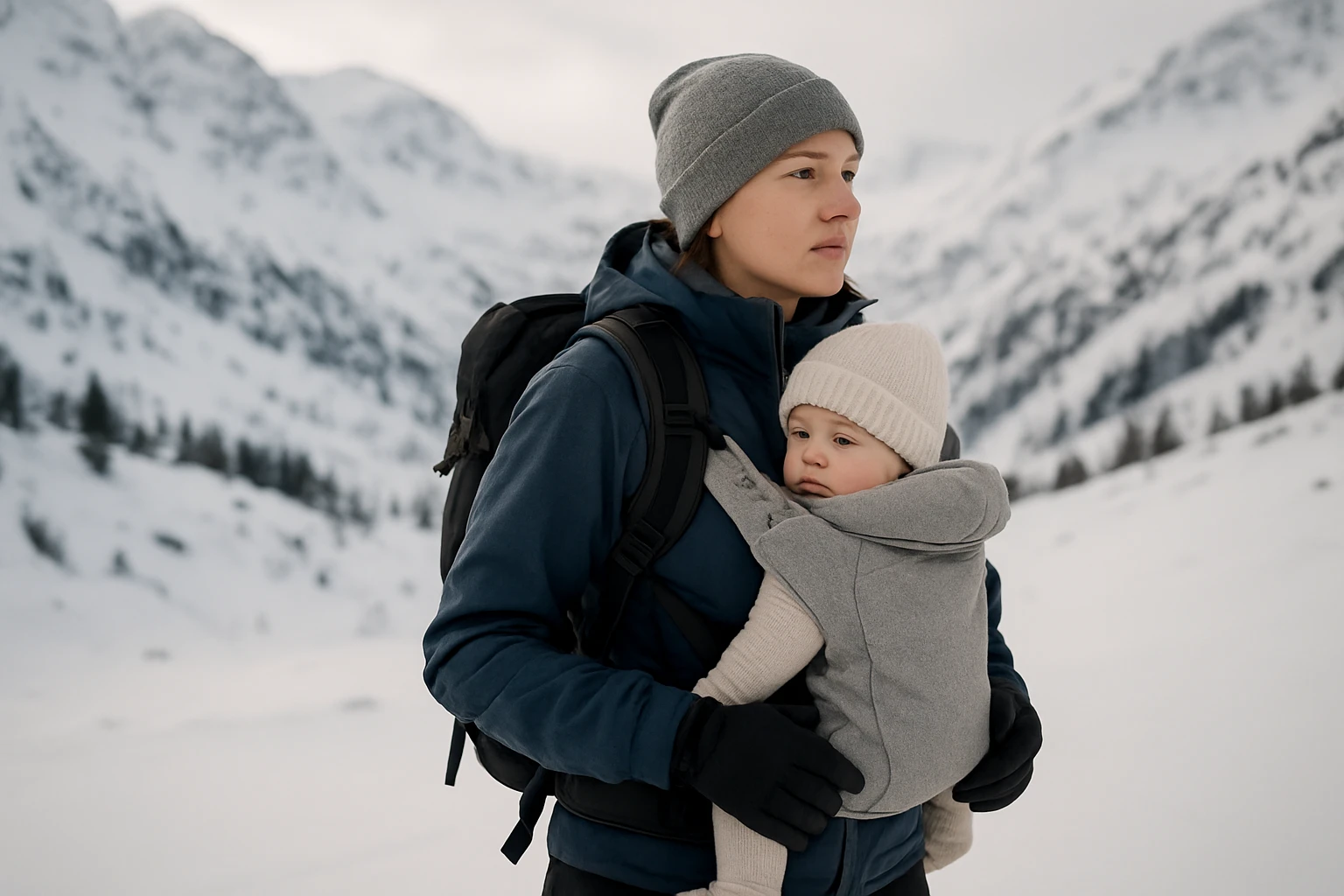
Babywearing in Avalanche‑Prone Areas: Essential Safety Guide for Backcountry Parents
Introduction
Backcountry adventures offer families unforgettable moments, but they also introduce hazards that require careful preparation. This guide explains how parents can safely babywear in avalanche‑prone terrain, covering risk assessment, essential gear, and practical strategies. Readers will learn the science behind avalanches, how to select a carrier and accessories that enhance safety, and actionable best‑practice tips for every outing.
By the end of this article, parents will be equipped to evaluate terrain, choose reliable equipment, and respond confidently if conditions deteriorate. The information balances technical depth with clear explanations, making it accessible to intermediate outdoor enthusiasts.
Background/Context
Avalanches occur when a slab of snow releases from a slope and slides downhill, often triggered by weight, vibration, or temperature changes. The key variables include slope angle (typically 30‑45 degrees), snowpack stability, and weather patterns. Understanding these factors allows parents to make informed decisions before attaching a carrier to their back.
Backcountry babywearing introduces additional considerations: the combined weight of carrier and child, the need for rapid mobility, and the importance of protecting the infant from cold and wind. Safety equipment such as avalanche transceivers, slope meters, and traction devices become essential components of a family’s gear list.
Regulatory bodies such as the American Avalanche Association and TÜV SÜD provide standards that reputable products must meet. Selecting gear that complies with ASTM F2549‑22 or similar certifications ensures a baseline of performance.
Understanding Avalanche Risks
Before setting out, parents should consult local avalanche forecasts, study terrain maps, and recognize red‑flag conditions. Snowpack analysis involves digging a snow pit, performing compression tests, and observing recent weather trends. Even experienced skiers can misjudge stability, so a conservative approach is advisable when a baby is involved.
Key concepts include:
- Aspect and exposure: South‑facing slopes receive more solar radiation, affecting snow cohesion.
- Trigger zones: Areas where additional weight, such as a carrier, could initiate a slide.
- Rescue windows: The limited time available to locate and extract a buried victim, emphasizing the need for rapid response tools.
Integrating these concepts with a clear plan reduces the probability of an incident and improves outcomes if one occurs.
Choosing a Safe Baby Carrier
Not all carriers are designed for rugged terrain. A carrier must provide balanced weight distribution, a secure harness system, and structural rigidity to prevent excessive sway on uneven ground. The Vandra Glacier Baby Carrier Backpack meets these criteria through its Gravity Lock™ hard‑shell frame, which locks the child cockpit in place, eliminating tilt on steep slopes.
Key features of the Vandra Glacier include:
- Capacity for children 16‑40 lb (6 months to 3 years), supporting a total load of 48.5 lb with cargo.
- Ergonomic lumbar‑support back panel for balanced weight distribution.
- UPF 50+ sunshade, modular storage compartments, and a reusable dust bag.
- ASTM F2549‑22 certification and TÜV SÜD testing for safety compliance.
- 5‑star rating from 27 reviewers, indicating strong user satisfaction.
When paired with a sturdy harness and proper fit, this carrier allows parents to maintain stability while navigating avalanche terrain. However, a carrier alone does not replace the need for avalanche‑specific tools.
Essential Avalanche Safety Tools
Two primary tools enhance a family’s ability to assess and react to avalanche danger: a slope meter and a transceiver. The Sun Company AvaGage Slope Meter provides a quick visual indication of slope angle and avalanche risk level.
Features of the AvaGage include:
- Dual‑use design showing both approximate avalanche danger (yellow, orange, red) and slope angle.
- Compact size (2.9 in wide, 0.6 oz) that attaches to a jacket or ski pole.
- Grooved base for accurate alignment with trekking poles.
- Snow‑crystal grids for assessing snowpack characteristics.
- 4.4‑star rating from 126 reviews, reflecting reliable performance.
While the AvaGage does not replace a dedicated avalanche beacon, it assists in rapid terrain assessment, allowing parents to avoid slopes that exceed safe angles. Pairing it with a certified beacon and shovel completes the standard three‑piece rescue kit.
Footwear and Traction Solutions
Maintaining footing on icy or hard‑packed snow is critical when carrying a child. The Berlune Ice Cleats offer a lightweight, durable solution for shoes and boots.
Key specifications include:
- 20 pairs per pack, allowing distribution among family members.
- Eight rust‑resistant steel spikes per cleat for reliable penetration into ice.
- Elastic straps that fit sneakers, hiking boots, and work boots up to 10.4 × 4.4 in.
- Foldable design for pocket‑sized storage.
- 4.5‑star rating from 5 reviews, indicating strong durability.
These cleats improve stability on icy approaches to avalanche terrain, reducing the likelihood of a slip that could trigger a slide.
Layering and Weather Protection
Cold exposure can impair judgment and physical performance, increasing avalanche risk. The Orzbow Winter Baby Carrier Cover adds a waterproof, windproof layer to any carrier, protecting both parent and child from harsh conditions.
Product highlights include:
- Removable hood with adjustable fit for the infant.
- Fleece‑lined hand‑warmer pocket for personal items.
- Dual‑way bottom zipper ventilation for leg freedom.
- Windproof polyester exterior with polar fleece liner.
- 4.6‑star rating from 357 reviews, reflecting high user satisfaction.
When combined with proper base layers, gloves, and head protection, this cover helps maintain body heat, allowing parents to think clearly during critical decision‑making moments.
Comparison/Selection Guide
| Feature | Vandra Glacier Carrier | Sun Company AvaGage Meter | Berlune Ice Cleats | Orzbow Carrier Cover |
|---|---|---|---|---|
| Primary Purpose | Back‑country baby carrier | Avalanche risk & slope indicator | Foot traction on ice | Weather protection for carriers |
| Weight (approx.) | ~4 lb | 0.6 oz | Lightweight (per pair) | ~1 lb |
| Safety Certifications | ASTM F2549‑22, TÜV SÜD | None (indicator only) | Steel spikes, rust‑resistant | Windproof polyester, fleece liner |
| Price | $199.99 | $25.99 | $39.99 (20 pairs) | $39.99 |
| User Rating | 5/5 (27) | 4.4/5 (126) | 4.5/5 (5) | 4.6/5 (357) |
| Best For | Extended hikes with toddlers | Quick slope assessment | Ice‑covered trails | Cold, wet weather |
Parents should prioritize the carrier first, then add the slope meter and cleats based on terrain, and finish with the weather cover for temperature extremes.
Best Practices & Tips
- Check the local avalanche forecast daily and plan routes that stay below 30 degrees of slope when possible.
- Perform a quick stability test by gently rocking the carrier on a gentle incline; the hard‑shell frame should remain steady.
- Attach the AvaGage to a pole before ascent to continuously monitor slope angle.
- Wear Berlune Ice Cleats on both boots and the child’s shoes if they are walking independently.
- Secure the Orzbow Cover over the carrier during windy or wet conditions, ensuring the hood does not obstruct the child’s breathing.
- Carry a compact avalanche beacon, shovel, and probe in a dedicated pocket of the carrier.
- Practice emergency extraction drills with the carrier unladen before heading into backcountry terrain.
FAQ
Can I use a regular stroller in avalanche terrain?
No. Strollers lack the structural rigidity and weight distribution needed for steep, unstable slopes. A hard‑shell carrier such as the Vandra Glacier provides the necessary support and balance.
Do avalanche indicators replace a beacon?
No. Indicators like the AvaGage help assess slope risk, but a beacon is essential for locating buried victims. Use both in conjunction.
How many pounds can a carrier safely support on a slope?
Manufacturers specify total load limits; the Vandra Glacier is rated for 48.5 lb including cargo. Exceeding this limit reduces stability and increases trigger risk.
Are steel‑spiked ice cleats safe for children?
Steel spikes are designed for adult footwear, but the Berlune cleats fit a wide range of shoe sizes, including children's boots, provided the elastic strap is snug and the child is supervised.
What should I do if a slide occurs while babywearing?
Maintain calm, keep the carrier upright, and attempt to dig out if safe. Activate your avalanche beacon, signal for help, and use your shovel and probe to locate the carrier quickly.
Conclusion
Babywearing in avalanche‑prone backcountry areas demands meticulous planning, reliable equipment, and a solid understanding of snow dynamics. By selecting a certified carrier, employing a slope meter, securing traction, and protecting against the elements, parents can enjoy wilderness experiences while minimizing risk. Continuous education, regular gear checks, and adherence to best‑practice protocols ensure that families remain safe and confident on every adventure.
Products Featured in This Guide
Vandra Glacier Baby Carrier Backpack
Price: $199.99 | Rating: 5/5 (27 reviews)
Featured for its Gravity Lock™ hard‑shell frame, ergonomic support, and ASTM F2549‑22 certification, making it ideal for backcountry babywearing.
Sun Company AvaGage Slope Meter
Price: $25.99 | Rating: 4.4/5 (126 reviews)
Provides quick visual avalanche danger levels and slope angle, aiding parents in real‑time terrain assessment.
Berlune Ice Cleats
Price: $39.99 | Rating: 4.5/5 (5 reviews)
Eight steel spikes and elastic straps deliver secure traction on icy slopes, essential for stable footing while carrying a child.
Orzbow Winter Baby Carrier Cover
Price: $39.99 | Rating: 4.6/5 (357 reviews)
Waterproof, windproof, and equipped with a detachable hood, this cover keeps both parent and child warm during cold, wet backcountry outings.
Frequently Asked Questions
What factors increase avalanche risk for babywearing trips?
Steep slopes (30‑45°), recent heavy snowfall, rapid temperature changes, and a weak snowpack all raise the danger of a slab release.
How can parents assess snow stability before heading out?
Perform a quick stability test such as a compression or shovel shear test, and check recent avalanche forecasts and local observations.
Which baby carriers are safest for avalanche terrain?
Choose carriers with a low center of gravity, reinforced straps, and quick‑release buckles that allow rapid removal of the child if needed.
What essential safety gear should accompany a babywearing backcountry outing?
Carry a beacon, shovel, probe, avalanche airbag pack (if possible), and a first‑aid kit designed for infants.
What steps should be taken if an avalanche is triggered while babywearing?
Stay calm, try to keep the carrier upright, use your beacon to locate the child, and perform a rescue with shovel and probe as quickly as possible.