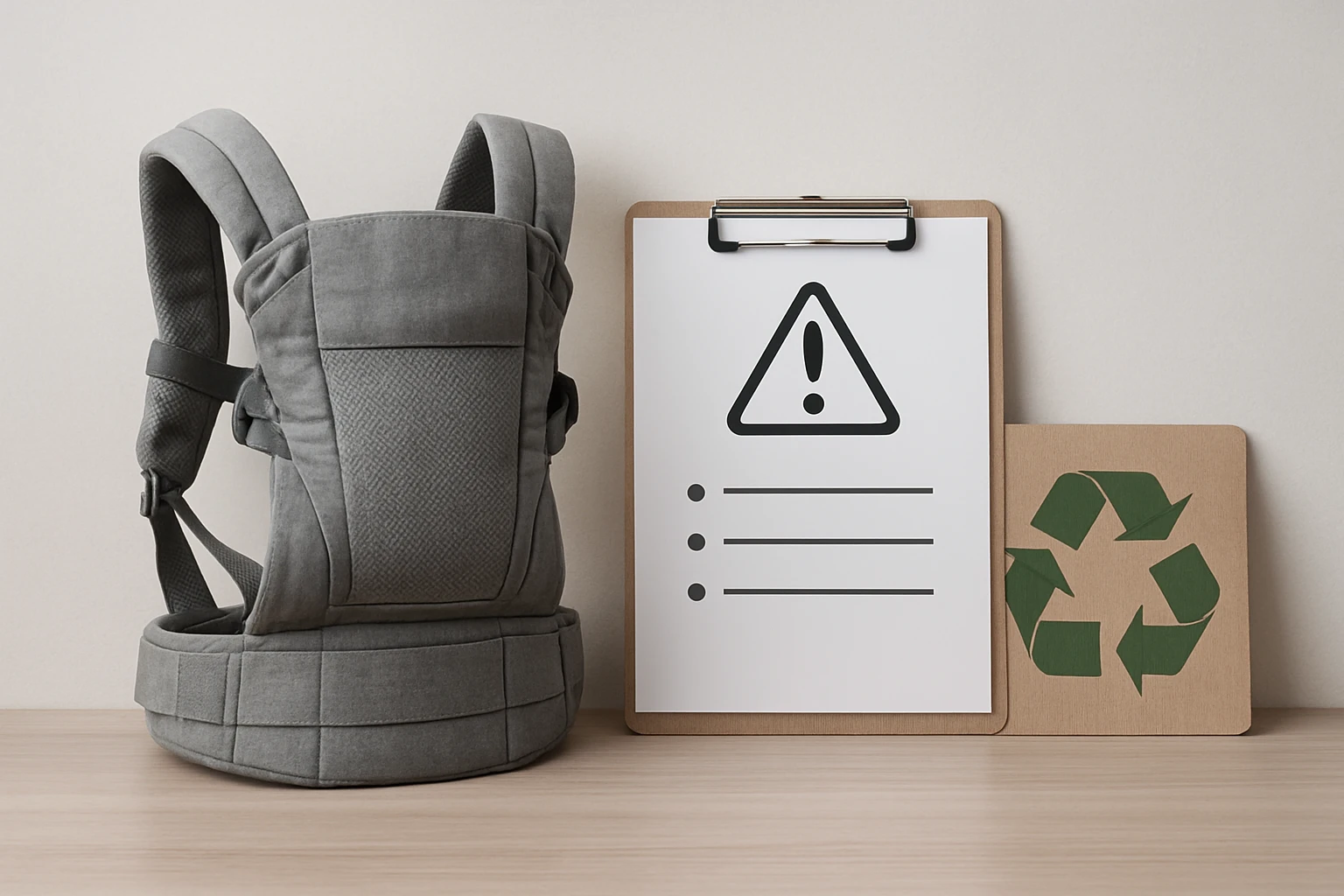
When to Retire a Baby Carrier: Safety Signs, Timeline & Recycling Guide
Introduction
This guide explains how parents can determine the appropriate moment to discontinue use of a baby carrier. Readers will learn to identify safety warnings, understand typical lifespan expectations, and explore environmentally responsible disposal methods. The article also highlights two highly rated carriers that illustrate best‑in‑class safety features and durability.
By following the recommendations herein, caregivers can protect infant health, preserve their own physical well‑being, and reduce waste. The information is grounded in current safety standards and real‑world product performance.
Background and Context
Baby carriers have become essential tools for modern parenting, offering hands‑free mobility while fostering close physical contact. The ergonomic principles that underpin safe carrier design focus on supporting the infant's head, neck, and hips in the natural "M" position. At the same time, carriers must distribute weight evenly across the caregiver's hips and shoulders to prevent musculoskeletal strain.
Regulatory agencies such as the Consumer Product Safety Commission (CPSC) and the International Organization for Standardization (ISO) provide guidelines for testing load limits, strap durability, and material breathability. Understanding these standards empowers caregivers to evaluate whether a carrier remains fit for purpose.
In addition to regulatory compliance, manufacturers often publish warranty periods that reflect anticipated product longevity. However, real‑world wear and tear, growth milestones, and changing caregiver needs can shorten the effective lifespan of a carrier.
Understanding Carrier Lifespan
The useful life of a baby carrier is influenced by several factors. Material degradation, such as fabric thinning or strap fraying, reduces structural integrity. Repeated exposure to sweat, sunlight, and frequent washing accelerates wear. Moreover, the carrier must adapt to a child’s growth from newborn to toddler, typically spanning 0 to 50 pounds.
Manufacturers generally design carriers to accommodate this weight range, but the cumulative stress on seams and buckles can exceed design limits after several years of intensive use. A practical rule of thumb is to reassess the carrier every twelve months or after any major incident, such as a fall or sudden loss of tension.
When evaluating longevity, caregivers should also consider personal health changes. An increase in the caregiver’s weight or a shift in physical condition may alter the carrier’s comfort and safety profile.
Safety Indicators for Retirement
Identifying clear safety signals is essential to prevent accidents. The following checklist outlines observable signs that a carrier should be retired:
- Visible seam separation, fabric tears, or frayed stitching that compromise load‑bearing capacity.
- Buckles that no longer click securely or straps that slip under tension.
- Loss of head and neck support padding, especially the foldable pad designed for infants under eight weeks.
- Persistent odor or mold after washing, indicating bacterial growth within the fabric layers.
- Any change in the carrier’s shape that creates gaps between the infant and the caregiver, reducing the protective "M" position.
When any of these conditions are present, the caregiver should discontinue use immediately. In many cases, the manufacturer’s customer service can provide guidance on repair options, but replacement is often the safest choice.
For caregivers seeking a reliable replacement, the GROWNSY Baby Carrier offers a patented quick‑buckle system combined with wrap‑style comfort. It features an ergonomic head and neck support pad, EVA waist cushioning for lumbar support, and a breathable fabric that resists odor buildup. The carrier holds a rating of 4.5 out of 5 stars from 1,058 reviews and is priced at $60.99, reflecting strong value for safety‑focused families.
Typical Timeline for Carrier Use
While individual experiences vary, most carriers follow a predictable usage timeline based on infant developmental stages:
- Newborn Phase (0‑8 weeks): The carrier must provide head and neck support. The foldable pad should remain in the lowered position to cradle the infant’s delicate neck.
- Infant Phase (8 weeks‑12 months): The pad is raised to offer additional neck support as the baby gains head control. The carrier should maintain the "M" hip position.
- Toddler Phase (12‑36 months): Weight distribution becomes critical. Caregivers should ensure the waist belt and shoulder straps are snug to avoid lower‑back strain.
- Transition Phase (36‑48 months): Many carriers reach the upper weight limit. At this point, caregivers often transition to a structured backpack carrier or stroller.
Across these phases, it is advisable to perform a safety inspection every three months. Minor wear can be addressed with reinforcement stitching, but major deterioration warrants replacement.
Another high‑performing option for extended use is the MOMTORY 6-in-1 Baby Carrier. This model combines a hip seat with a traditional carrier, supporting children up to 50 pounds. It includes an adjustable lumbar belt, enlarged seat cushion for ergonomic hip support, and a soft tummy‑protective core that benefits C‑section mothers. With a rating of 4.6 out of 5 stars from 1,585 reviews and a price of $59.99, it offers versatility that can extend the useful timeline for many families.
Comparison and Selection Guide
When selecting a replacement carrier, caregivers should compare key attributes. The table below summarizes the two featured products alongside generic criteria.
| Feature | GROWNSY Baby Carrier | MOMTORY 6-in-1 Baby Carrier |
|---|---|---|
| Weight Capacity | Up to 35 lbs | 7‑50 lbs |
| Head & Neck Support | Foldable pad for newborns | Soft tummy core, no separate pad |
| Hip Position | Ergonomic "M" design | Enlarged hip seat with "M" shape |
| Back Support | EVA waist cushioning | Adjustable lumbar belt |
| Material Breathability | Soft, breathable fabric | 100% soft skin‑friendly fabric |
| Ease of Cleaning | Machine‑washable | Machine‑washable |
| Price | $60.99 | $59.99 |
| Average Rating | 4.5/5 (1,058 reviews) | 4.6/5 (1,585 reviews) |
Parents who prioritize a lightweight, quick‑buckle system may favour the GROWNSY model. Those who require a carrier that grows with the child and includes a hip seat may find the MOMTORY 6‑in‑1 more appropriate.
Best Practices & Tips
Beyond product selection, caregivers can extend carrier lifespan by following these best practices:
- Rotate carriers if multiple options are available, reducing cumulative stress on a single unit.
- Adhere to the manufacturer’s washing instructions; avoid high‑temperature cycles that can weaken fibers.
- Store the carrier in a cool, dry place away from direct sunlight to prevent UV degradation.
- Perform a monthly fit check, ensuring straps are snug and buckles engage fully.
- Use a carrier-specific storage bag when travelling to protect buckles and padding from impact.
When a carrier reaches the end of its serviceable life, consider recycling options rather than discarding it in landfill. Many textile recycling programs accept used baby gear, and some manufacturers offer take‑back schemes.
Frequently Asked Questions
- How often should I inspect my baby carrier for wear? Conduct a visual inspection before each use and a more thorough check every three months.
- Can I repair a frayed strap myself? Minor fraying can be reinforced with a strong fabric tape, but if the strap shows signs of stretching or loss of strength, replacement is recommended.
- Is it safe to use a carrier after it has been exposed to mold? No. Mold indicates compromised fabric integrity and potential health hazards; the carrier should be retired.
- What is the maximum weight limit for the GROWNSY Baby Carrier? The carrier is rated for children up to 35 pounds.
- Does the MOMTORY 6‑in‑1 Carrier require a separate hip seat purchase? No. The hip seat is integrated into the design and does not require additional accessories.
- Are there tax‑deductible programs for recycling baby gear? Some local waste‑management authorities offer incentives for textile recycling, but eligibility varies by jurisdiction.
- How can I ensure the carrier remains breathable in hot climates? Choose carriers made from lightweight, moisture‑wicking fabrics and avoid layering heavy outer garments.
Conclusion
Retiring a baby carrier at the appropriate time safeguards infant health, caregiver comfort, and environmental sustainability. By recognizing safety signs, adhering to a realistic usage timeline, and selecting carriers that meet rigorous ergonomic standards, parents can make informed decisions. The featured GROWNSY Baby Carrier and MOMTORY 6‑in‑1 Baby Carrier exemplify products that combine safety, durability, and value, serving as reliable benchmarks for future purchases.
Implementing regular inspections, proper cleaning, and responsible recycling completes a holistic approach to carrier stewardship. Armed with this knowledge, caregivers can enjoy the benefits of babywearing while minimizing risk and waste.
Products Featured in This Guide
GROWNSY Baby Carrier
Price: $60.99
Rating: 4.5/5 (1,058 reviews)
Featured for its patented quick‑buckle system, ergonomic head and neck support pad, and integrated EVA waist cushioning that together provide a safe, comfortable experience from newborn to toddler.
MOMTORY 6-in-1 Baby Carrier
Price: $59.99
Rating: 4.6/5 (1,585 reviews)
Featured for its versatile 6‑in‑1 design that integrates a hip seat, adjustable lumbar support, and a soft tummy‑protective core, accommodating children up to 50 pounds while ensuring caregiver comfort.