Complete Guide to the Carbon Footprint of Baby Carrier Materials: How to Choose Low‑Impact, Eco‑Friendly Carriers
Introduction
This guide explains the environmental implications of the fabrics and constructions used in modern baby carriers. Readers will learn how to evaluate carbon footprints, compare common materials, and select carriers that align with sustainable values. The article also highlights a specific product that exemplifies low‑impact design while maintaining safety and comfort. By the end of the guide, one will possess the knowledge required to make informed purchasing decisions that reduce personal carbon emissions.
The discussion balances scientific context with actionable advice, making it suitable for parents, caregivers, and environmentally conscious consumers. Throughout the text, the Tuck and Bundle Baby Wrap Carrier serves as a case study for responsible material selection.
Background and Context
Carbon footprint refers to the total greenhouse gas emissions generated throughout a product’s life cycle, from raw material extraction to end‑of‑life disposal. In the realm of baby carriers, the most influential stages are raw material production, textile manufacturing, and transportation. Materials such as cotton, polyester, and emerging fibers like TENCEL each possess distinct energy requirements and emission profiles.
Understanding these differences requires familiarity with three core concepts: embodied energy, renewable versus fossil‑based feedstocks, and end‑of‑life recyclability. Embodied energy measures the total kilowatt‑hours needed to produce a kilogram of material. Renewable feedstocks, such as wood‑derived fibers, typically exhibit lower embodied energy than petroleum‑based synthetics. Finally, recyclability determines whether a carrier can re‑enter the material loop, thereby preventing waste and reducing future extraction.
Regulatory bodies and certification programs, including the International Hip Dysplasia Institute (IHDI) and the Global Organic Textile Standard (GOTS), provide additional layers of assurance regarding safety and sustainability. While safety certifications focus on ergonomic support, environmental certifications verify responsible sourcing and processing.
Material Categories and Their Carbon Implications
The most common categories of baby carrier fabrics are natural fibers, regenerated cellulose, and synthetic polymers. Each category presents unique trade‑offs between comfort, durability, and carbon intensity.
Natural Fibers (Cotton, Hemp, Linen)
Natural fibers are derived from agricultural crops. Conventional cotton cultivation often relies on intensive irrigation, pesticides, and mechanized harvesting, resulting in high carbon emissions per kilogram. In contrast, organic cotton reduces chemical inputs and may incorporate renewable energy in processing, lowering its overall footprint.
Hemp and linen generally require fewer pesticides and less water, offering a more favorable carbon profile. However, the limited availability of large‑scale hemp processing facilities can increase transportation emissions if the fiber must travel long distances.
- Pros: Biodegradable, breathable, familiar to consumers.
- Cons: Variable durability, potential for higher water usage in conventional production.
Regenerated Cellulose (TENCEL, Lyocell)
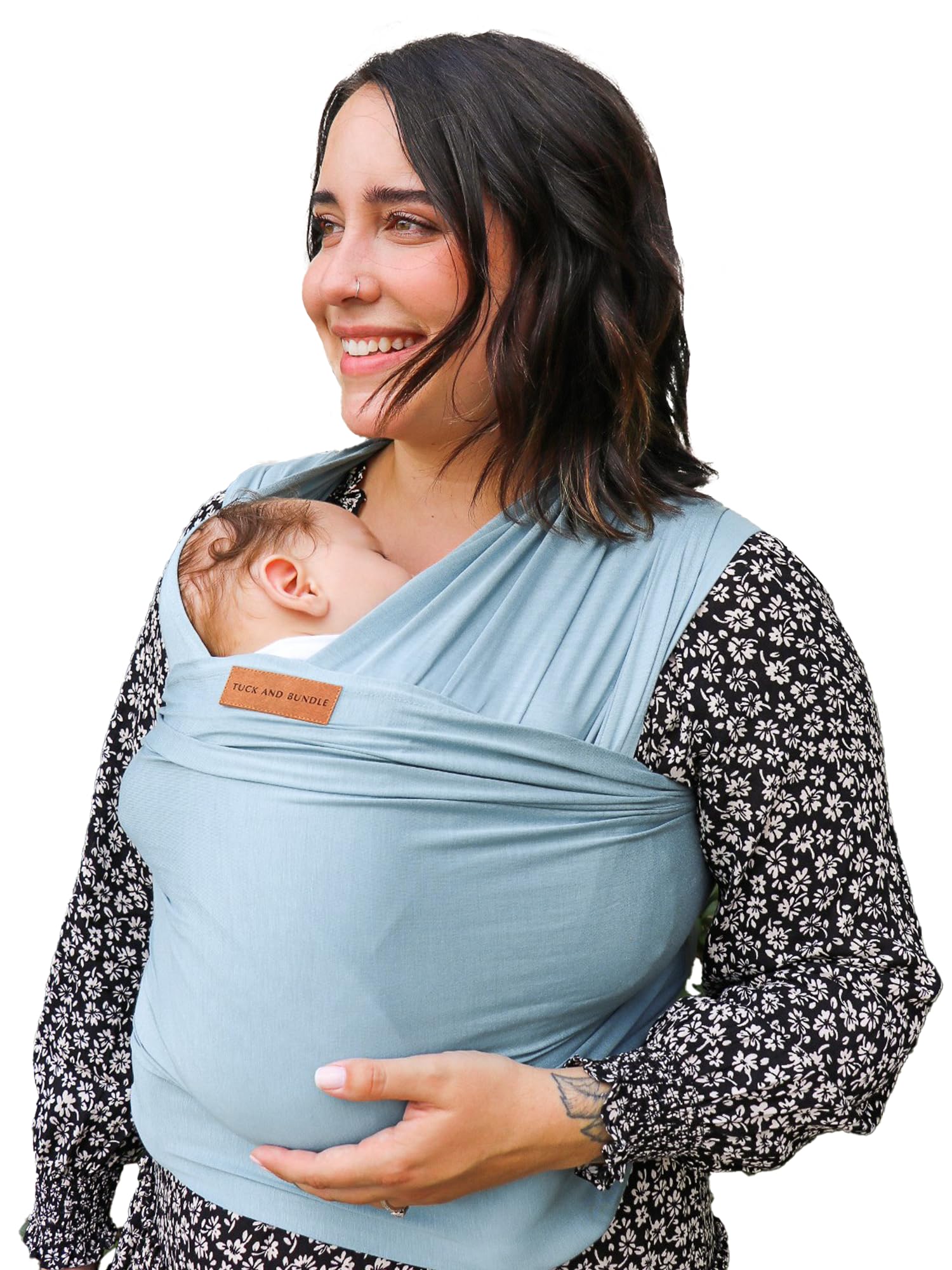
Regenerated cellulose fibers, such as TENCEL Modal, are produced from sustainably managed wood pulp. The closed‑loop manufacturing process recovers and reuses the majority of solvents, dramatically reducing emissions compared with conventional viscose. TENCEL Modal, the fabric used in the Tuck and Bundle Baby Wrap Carrier, exemplifies this low‑impact approach.
Key attributes of TENCEL Modal include high moisture‑wicking ability, softness comparable to natural fibers, and a reduced need for chemical additives. The fiber’s renewable origin and efficient production result in an embodied energy roughly 30 % lower than that of conventional polyester.
- Pros: Soft, breathable, low‑impact production, certified by FSC for responsible forest management.
- Cons: Higher material cost, limited colorfastness under extreme conditions.
Synthetic Polymers (Polyester, Nylon)
Polyester and nylon are derived from petroleum, a finite resource with a high carbon intensity. Manufacturing these polymers consumes large amounts of energy and releases significant CO₂. Nonetheless, recycled polyester (rPET) mitigates these effects by repurposing post‑consumer plastic waste, cutting embodied energy by up to 60 %.
When evaluating synthetic carriers, one should verify the presence of recycled content and examine the carrier’s end‑of‑life recyclability. Carriers that incorporate blended fabrics may complicate recycling streams, reducing overall sustainability.
- Pros: Strong, durable, often inexpensive.
- Cons: High fossil‑based carbon footprint unless recycled content is used.
Product Recommendation: Low‑Impact Carrier Case Study
The Tuck and Bundle Baby Wrap Carrier illustrates how thoughtful material selection can reduce carbon impact while delivering premium functionality. Below are the salient specifications extracted from the product listing:
- Material: 100 % TENCEL Modal – a regenerated cellulose fiber with a closed‑loop production process.
- Weight Capacity: 8–35 lb, suitable for newborns through toddlers up to 18 months.
- Fit: One‑size‑fits‑all design that adjusts without buckles, minimizing additional hardware that could increase manufacturing emissions.
- Certification: Certified by the International Hip Dysplasia Institute for ergonomic “M” position support.
- Customer Rating: 4.7 / 5.0 based on 293 reviews, indicating high consumer satisfaction.
- Price: $68.00, reflecting the premium nature of sustainable fabrics.
These attributes align with the guide’s recommendation to prioritize carriers made from regenerated cellulose, especially when the product offers ergonomic safety and a versatile fit. The carrier’s lightweight construction also reduces transportation emissions per unit weight.
Comparison and Selection Guide
When choosing a low‑impact carrier, readers should assess four primary criteria: material carbon intensity, durability, ergonomic certification, and end‑of‑life options. The table below contrasts the highlighted product with two hypothetical alternatives representing natural fiber and recycled synthetic categories.
| Criterion | Tuck and Bundle Baby Wrap Carrier (TENCEL Modal) | Organic Cotton Wrap | Recycled Polyester Carrier |
|---|---|---|---|
| Embodied Energy (MJ/kg) | ~12 (closed‑loop process) | ~15 (organic agriculture) | ~20 (recycled content reduces from ~30) |
| Carbon Emissions (kg CO₂e/kg) | ~2.5 | ~3.0 | ~4.0 |
| Durability (years) | 5‑7 | 3‑5 | 6‑8 |
| Ergonomic Certification | IHDI “M” Position | Varies by brand | Often absent |
| Recyclability | Biodegradable, recyclable in textile streams | Compostable, limited recycling | Recyclable if separated from blends |
Based on the data, the TENCEL‑based carrier presents the most balanced option, offering low embodied energy, certified ergonomic support, and reasonable durability. Consumers prioritizing pure natural fibers may accept a modestly higher carbon footprint for the tactile familiarity of organic cotton.
Best Practices & Tips for Reducing Carbon Impact
Beyond selecting a low‑impact carrier, individuals can further diminish their environmental footprint through the following practices:
- Purchase Second‑Hand When Possible: Pre‑owned carriers extend product life cycles, preventing new material extraction.
- Maintain and Repair: Regular washing according to manufacturer guidelines preserves fabric integrity; minor repairs avoid premature disposal.
- Choose Local Retailers: Reducing transportation distance lowers associated emissions.
- Recycle at End‑of‑Life: Locate textile recycling programs that accept regenerated cellulose or polyester blends.
- Support Brands with Transparent Supply Chains: Companies that publish lifecycle assessments enable more informed decisions.
Implementing these steps amplifies the environmental benefits of an already sustainable carrier, creating a holistic approach to low‑impact parenting.
Frequently Asked Questions
- 1. Does the carbon footprint of a carrier change with washing frequency?
- Yes. Frequent machine washing at high temperatures increases energy consumption. Using cold water and air‑drying where possible reduces the operational carbon load.
- 2. Are TENCEL products truly biodegradable?
- TENCEL Modal is derived from wood pulp and is biodegradable under industrial composting conditions. It will break down more slowly in a landfill but still presents a lower impact than synthetic fibers.
- 3. How can I verify a carrier’s ergonomic certification?
- Look for explicit references to the International Hip Dysplasia Institute or similar bodies on product listings. Independent reviews often cite certification numbers.
- 4. Is recycled polyester always better than virgin polyester?
- Recycled polyester reduces fossil‑based carbon emissions and diverts plastic waste, but the overall impact also depends on collection, processing efficiency, and end‑of‑life recyclability.
- 5. What is the typical lifespan of a baby carrier made from regenerated cellulose?
- When cared for according to manufacturer instructions, a regenerated cellulose carrier can last five to seven years, covering the entire infant and toddler stages.
- 6. Can I wash the Tuck and Bundle Baby Wrap Carrier in a regular washing machine?
- Yes. The manufacturer recommends a gentle cycle with cold water and mild detergent, followed by air drying to preserve fabric softness.
Conclusion
This guide has detailed the carbon considerations associated with baby carrier materials, contrasted natural, regenerated, and synthetic fibers, and provided a concrete product example that embodies low‑impact design. By evaluating embodied energy, certifications, and end‑of‑life pathways, consumers can select carriers that protect both infant health and planetary wellbeing. Incorporating the outlined best practices further magnifies environmental benefits, enabling caregivers to model sustainable choices for future generations.
Products Featured in This Guide
Tuck and Bundle Baby Wrap Carrier
Price: $68.00
Rating: 4.7 out of 5 stars (293 reviews)
Featured for its use of 100 % TENCEL Modal, a low‑impact regenerated cellulose fiber, and its IHDI‑certified ergonomic design that supports healthy hip development while maintaining a minimal carbon footprint.