Introduction
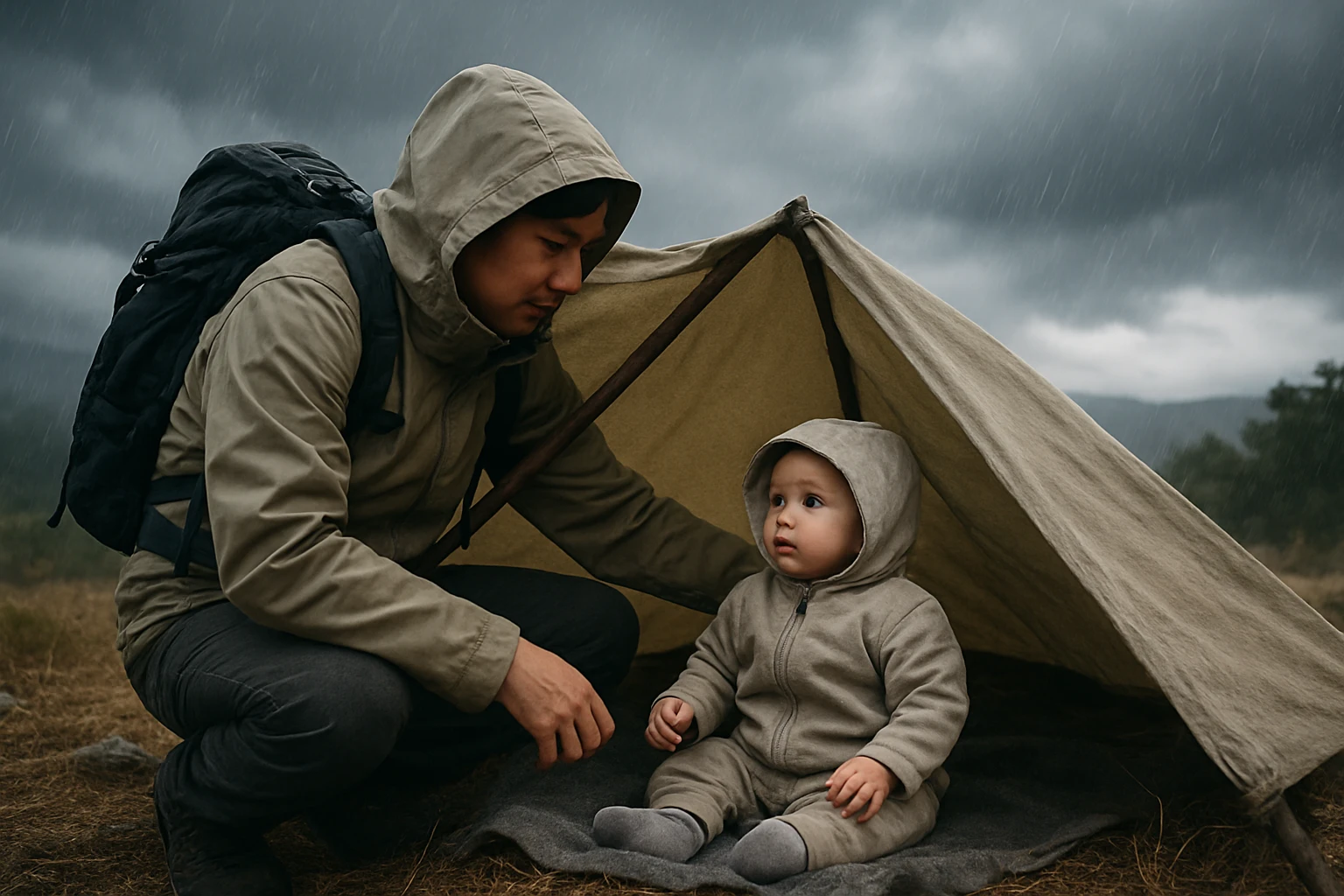
The unexpected arrival of a storm can transform a pleasant hike into a hazardous situation, especially when a baby is present. This guide explains how to improvise a safe shelter for an infant using natural resources and a few carefully selected products. One will learn how to locate a protected site, construct a windbreak, provide shade and UV protection, and maintain warmth and dryness. The information is valuable because it reduces risk, preserves the child's comfort, and allows the adult to continue the adventure with confidence.
What You'll Need
- Lightweight, portable shade structure (e.g., Monobeach Baby Beach Tent)
- Compact emergency blankets (e.g., QIO CHUANG Mylar Thermal Blankets)
- Portable infant seat with canopy (e.g., Bright Starts Infant Travel Seat)
- Multi‑purpose emergency poncho (e.g., Don't Die In The Woods Emergency Poncho)
- Paracord, stakes, and a small tarp or large trash bag
- Basic first‑aid kit and water‑proof matches
Step 1: Find a Safe Spot
The first priority is to locate a location that offers natural protection from wind and rain. One should look for a dip in the terrain, a cluster of large rocks, or a stand of dense trees that can act as a windbreak. Avoid low‑lying areas that may collect water, and stay clear of cliff edges where lightning could strike. Once a suitable area is identified, clear loose debris to create a flat surface for the shelter.
Step 2: Create a Windbreak
A windbreak reduces the force of gusts and prevents rain from blowing directly into the shelter. Use a sturdy branch or a trekking pole as a central pole, then lash paracord to it and attach a tarp or a large trash bag on three sides. Secure the lower edge of the tarp with stakes or heavy rocks, ensuring that the opening faces away from the prevailing wind. This improvised barrier will improve the effectiveness of any additional shelter components.
Step 3: Provide Shade and UV Protection
Even during a storm, intermittent sunlight can cause harmful UV exposure, especially for a baby with delicate skin. Deploy the Monobeach Baby Beach Tent over the windbreak. The tent features a pop‑up frame that assembles in seconds, a UPF 50+ fabric that blocks more than 98% of ultraviolet rays, and a built‑in mini pool that can be filled with a small amount of water for cooling. At a price of $25.99, the tent has earned a rating of 4.5 out of 5 stars from over five thousand reviews, indicating reliable performance. Its lightweight carry bag allows the adult to transport it without adding significant load.
Step 4: Secure the Shelter to the Ground
Stability is essential when wind speeds increase. Attach the tent's four pegs into firm soil or sand, and use additional paracord to tie the frame to nearby trees for extra anchoring. If the ground is rocky, drive the pegs into crevices or use heavy rocks as anchors. For added insulation and moisture barrier, spread a QIO CHUANG Mylar Thermal Blanket beneath the tent. The blanket is thin, reflective, and water‑resistant, providing a barrier that prevents ground moisture from seeping upward. It costs $6.99 and carries a 4.7 rating from more than seven thousand reviewers, confirming its durability in emergency situations.
Step 5: Keep Baby Warm and Dry
Even with a shelter, a baby can become chilled if the ambient temperature drops. Place the Bright Starts Infant Travel Seat inside the tent to give the child a comfortable, upright position. The seat includes a removable UPF 50+ canopy, a 3‑point harness for safety, and a machine‑washable pad. Priced at $49.99 with a 4.7 rating from 172 reviews, it offers a secure platform for the infant to rest while the adult attends to the fire or navigation. If rain becomes heavy, the adult can wear the Don't Die In The Woods Emergency Poncho over the shelter to add an extra layer of waterproof protection. The poncho is made of thick, flexible mylar that reflects body heat, weighs only 3.5 ounces, and folds to a pocket‑size package. At $9.95 and a 4.7 rating from 64 reviewers, it is an affordable addition that enhances both rain protection and thermal retention.
Tips & Pro Tips
- Carry a small emergency whistle to signal for help if the storm intensifies.
- Use a lightweight tarp as a secondary roof if the primary tent becomes saturated.
- Keep a spare set of dry clothing for the baby in a waterproof dry bag.
- Monitor the baby's temperature by feeling the back of the neck; a cool neck indicates the need for additional insulation.
- Never leave a baby unattended in a shelter, even if it appears secure.
Troubleshooting
Problem: The wind is too strong for the tent to stay upright.
Solution: Reinforce the anchoring system by adding extra paracord loops around sturdy trees and using additional rocks as dead‑weight. If the tent frame bends, replace the damaged pole with a trekking pole or a sturdy branch.
Problem: The baby becomes overheated under the tent.
Solution: Open one side of the tent to increase airflow, remove the infant seat temporarily, and use the mini pool area to provide cool water splashes. Ensure that the baby remains hydrated.
Conclusion
By following the steps outlined above, one can transform a sudden storm into a manageable situation while hiking with a baby. The guide emphasizes locating natural protection, constructing a windbreak, deploying a UV‑blocking shade tent, securing the structure, and maintaining warmth with specialized gear. The recommended products enhance safety, reduce setup time, and provide reliable performance without compromising the overall expedition. With preparation and the right tools, families can enjoy the outdoors confidently, even when weather turns unpredictable.
Products Mentioned in This Guide
Frequently Asked Questions
How can I quickly find a safe spot to set up a baby shelter during a storm?
Look for natural windbreaks like dense trees, rock outcrops, or a low dip in the terrain that shields from wind and rain while staying clear of flood‑prone areas.
What lightweight gear is essential for protecting an infant in an emergency shelter?
A portable shade tent, compact Mylar emergency blankets, a travel infant seat with a canopy, and a multi‑purpose poncho provide wind, rain, UV, and warmth protection.
How do I use an emergency blanket to keep my baby warm and dry?
Wrap the blanket around the infant’s torso and legs, securing the edges with clips or a snug tuck, and place it under the tent or poncho for added insulation.
Can a baby beach tent double as a storm shelter, and how should it be set up?
Yes; anchor the tent to sturdy branches or rocks, orient the entrance away from prevailing wind, and use the built‑in canopy to block rain and UV rays.
What safety precautions should I take while improvising a shelter for a baby on a hike?
Monitor the baby’s temperature, keep the shelter ventilated to avoid condensation, stay alert for lightning, and have a plan to move to higher ground if flooding occurs.