How to Replace Baby Carrier Webbing and Buckles: A Safe DIY Guide
Introduction
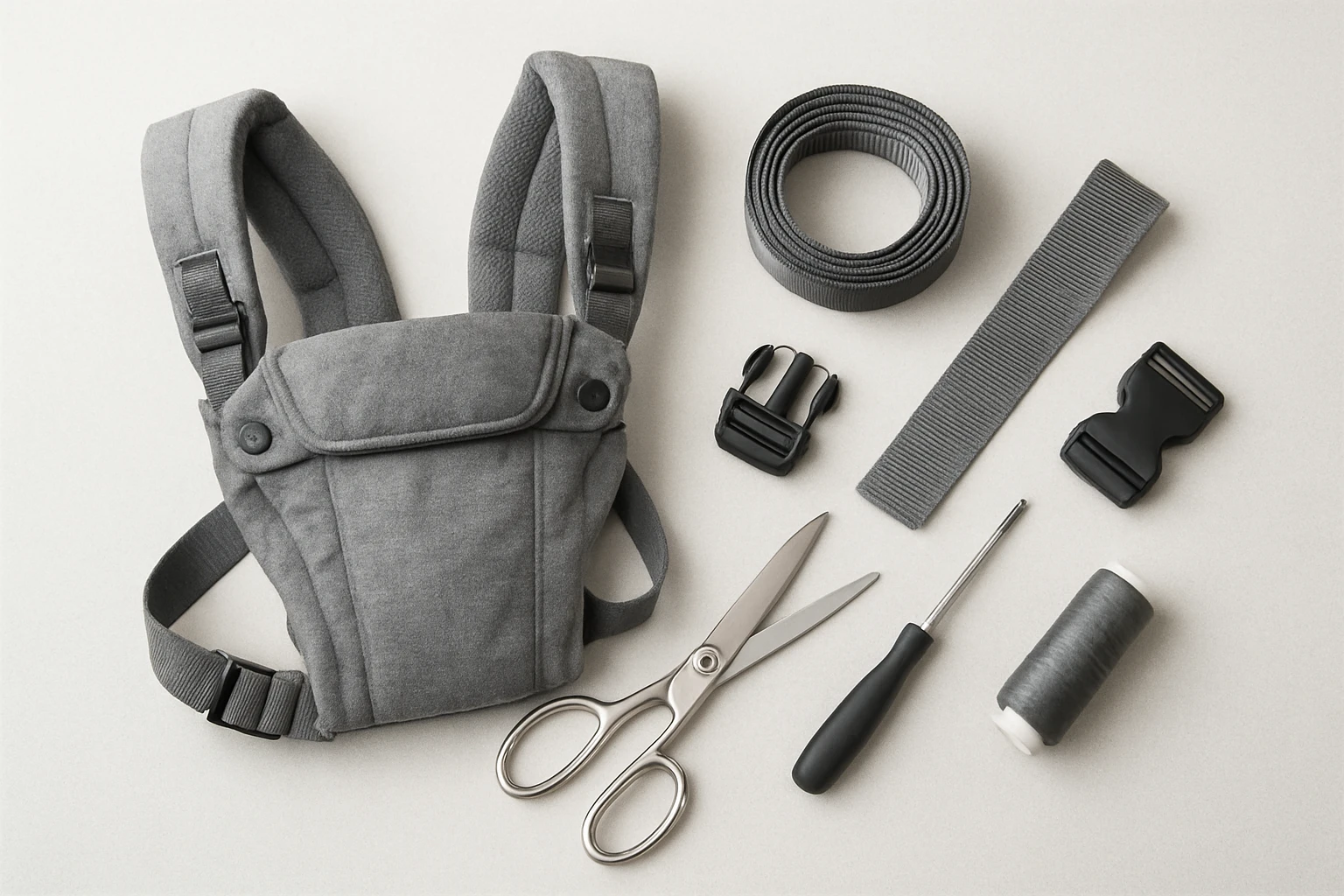
One often discovers that the webbing on a baby carrier becomes frayed after months of use. Replacing the webbing and buckles restores safety and extends the life of the carrier. This guide will teach the reader how to assess wear, remove old components, and install new webbing with confidence. By following each step, one ensures that the carrier remains reliable for future outings.
What You’ll Need
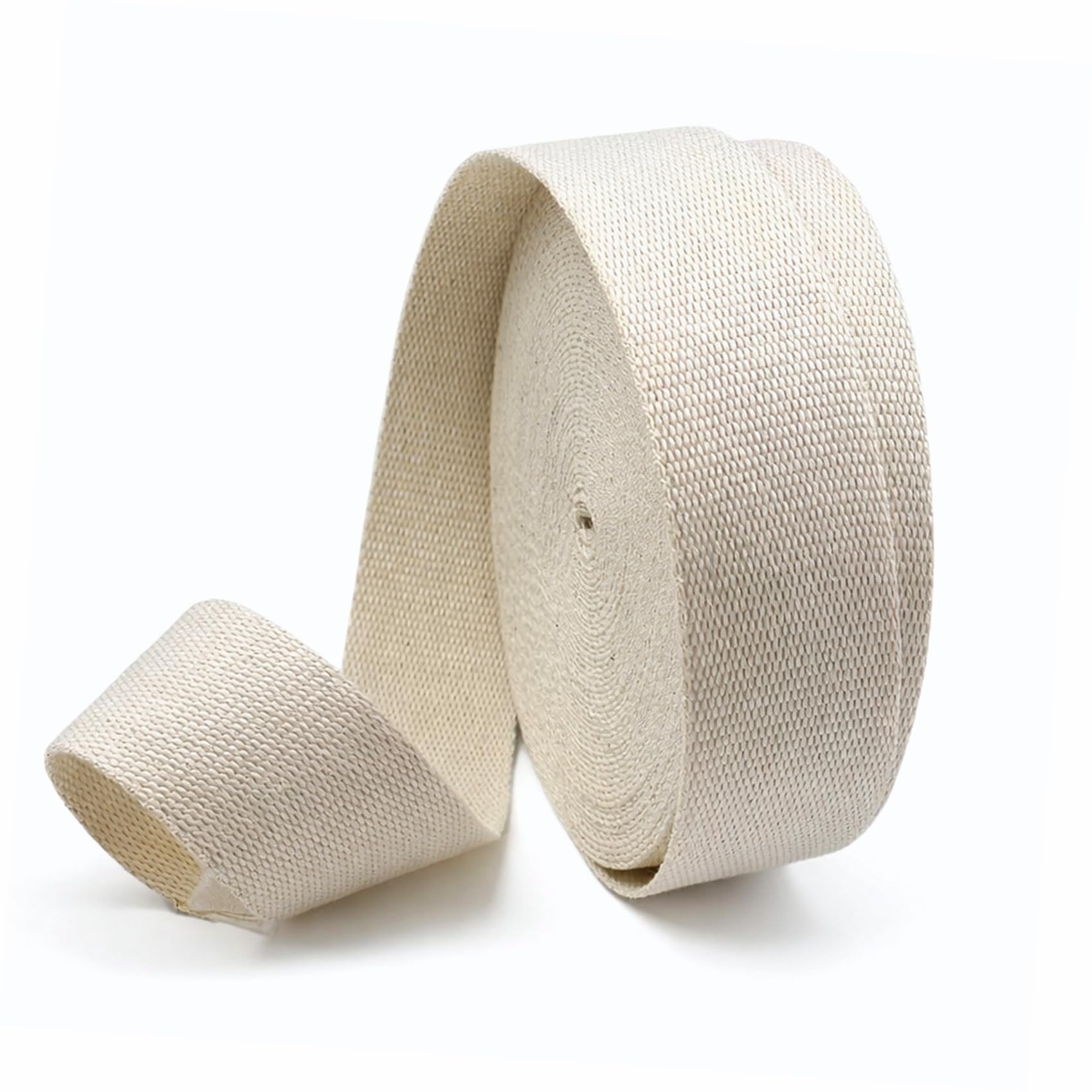
- Replacement webbing – Suuéliee Cotton Webbing Straps 1.5 Inch
- Heavy‑duty buckles compatible with the carrier (often sold as a set)
- Sewing needle or heavy‑duty sewing machine
- Matching thread (polyester recommended for strength)
- Scissors, seam ripper, and ruler
- Marker or chalk for measuring
Step 1 – Inspect the Existing Webbing and Buckles
The first action is to lay the carrier flat on a clean surface. One should examine each strap for signs of wear such as fraying, thinning, or discoloration. Particular attention must be paid to the stitching near the buckles, because a weak seam can cause sudden failure. If any damage is observed, it is advisable to proceed with replacement rather than repair.
Step 2 – Remove the Old Webbing
Using a seam ripper, one carefully cuts the stitches that attach the webbing to the carrier fabric. It is important to work slowly to avoid damaging the carrier’s base material. Once the stitches are removed, the old webbing can be pulled out gently. This step clears the area for a clean installation of the new material.
Step 3 – Measure and Cut the New Webbing
Measure the length of the original strap using a ruler, then add an extra two inches to allow for secure stitching. The Suuéliee Cotton Webbing Straps 1.5 Inch come in a 10‑yard roll, providing ample material for multiple replacements. With scissors, cut the webbing to the calculated length, ensuring a clean, straight edge. The natural‑color cotton blends well with most carrier fabrics, giving a professional appearance.
Step 4 – Prepare the Buckles
If the original buckles are damaged, replace them with new heavy‑duty buckles of the same width (1.5 inch). Align the buckle’s attachment holes with the ends of the new webbing. Some buckles feature a reinforced metal plate that distributes stress evenly across the strap, which is preferable to plastic alternatives. Verify that the buckle opens and closes smoothly before proceeding.
Step 5 – Sew the New Webbing to the Carrier
Thread a heavy‑duty needle with polyester thread rated for at least 600 N breaking strength. The 1.2 mm thickness of the Suuéliee webbing is medium, making it compatible with most home sewing machines as well as hand stitching. Use a double‑stitch or a box stitch for maximum durability, spacing stitches no more than ¼ inch apart. After stitching, tie a secure knot and trim excess thread, leaving a neat finish.
Step 6 – Attach the Buckles
Slide the buckle onto the sewn end of the webbing, ensuring the strap sits flat and without twists. Secure the buckle with a reinforced stitch that passes through the buckle’s attachment holes twice for added strength. One may also apply a small amount of fabric glue for extra security, though this is optional. Test the buckle by pulling on the strap to confirm that it holds under load.
Step 7 – Perform a Load Test
Before using the carrier with a child, conduct a load test by pulling the strap with a force equivalent to the carrier’s maximum weight rating. Observe the stitching and buckle for any signs of slipping or deformation. If the strap holds steady, the replacement is successful. If any weakness is detected, re‑examine the stitching pattern and consider using a stronger thread.
Tips & Pro Tips
- Choose webbing that matches the original width to maintain ergonomic comfort.
- When hand‑stitching, use a thimble to protect fingertips from the thick cotton.
- Consider pre‑soaking the cotton webbing briefly to reduce shrinkage after stitching.
- Label each strap after replacement to avoid confusion during future repairs.
Troubleshooting
Problem: The new webbing frays at the stitched edge.
Solution: Apply a fabric sealant or use a zigzag stitch along the edge before attaching the buckle.
Problem: The buckle slides along the strap during use.
Solution: Add a second reinforcing stitch a few centimeters away from the buckle to create a stop.
Conclusion
One has now learned how to evaluate, remove, and replace worn webbing and buckles on a baby carrier safely. By using high‑quality tools such as the Suuéliee Cotton Webbing Straps 1.5 Inch, the repair becomes both durable and aesthetically pleasing. Regular inspection and timely replacement prolong the carrier’s service life and protect the child. One is encouraged to apply these skills to other gear, fostering confidence in DIY maintenance.
Products Mentioned in This Guide
Frequently Asked Questions
How can I tell when the baby carrier webbing needs to be replaced?
Look for fraying, thinning, or discoloration on the straps, especially after several months of regular use.
What tools are essential for replacing the webbing and buckles?
You’ll need replacement webbing, compatible heavy‑duty buckles, a needle or heavy‑duty sewing machine, matching polyester thread, scissors, a seam ripper, a ruler, and a marker.
How do I safely remove the old webbing from the carrier?
Lay the carrier flat, use a seam ripper to cut the stitching around each strap, and gently pull the old webbing away without damaging the carrier’s base.
What is the best stitching method for attaching new webbing?
Use a double‑needle lockstitch or a strong backstitch, spacing stitches about ¼ inch apart for maximum strength.
How can I verify the carrier is safe after the repair?
Check that all stitches are secure, the buckles click firmly, and perform a load test by gently pulling on the straps before placing a baby in the carrier.