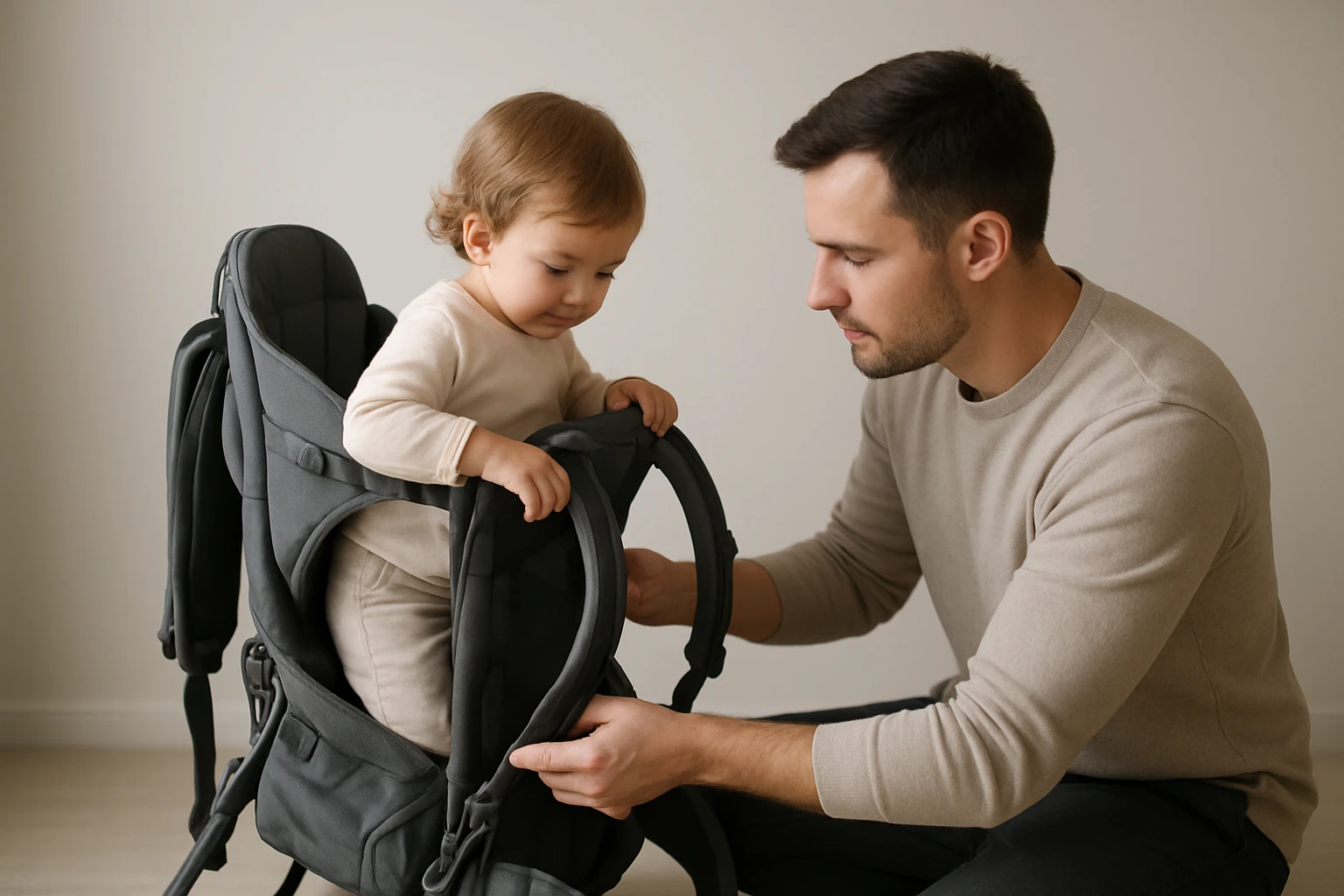

How to Teach Your Toddler to Climb Into a Backpack Carrier Safely: A Step‑by‑Step Guide
Introduction
Teaching a toddler to climb into a backpack carrier is a skill that promotes independence, confidence, and safe outdoor exploration. This guide will explain the preparation, adjustment, and practice phases required for a smooth learning experience. Readers will discover why each phase matters, how to avoid common pitfalls, and which tools can simplify the process. By following the outlined steps, parents will be able to enjoy hikes and errands with their child securely seated and comfortably supported.
What You’ll Need
- A high‑quality backpack carrier suitable for toddlers (examples include Besrey Baby Backpack Carrier or ClevrPlus Deluxe Baby Carrier).
- Adjustable waist belt and padded shoulder straps.
- Safety belts and foot stirrups that are part of the carrier.
- A flat, non‑slippery surface for initial practice.
- A small reward such as a sticker or favorite snack to reinforce positive behavior.
Step 1: Prepare the Carrier
Before inviting the toddler to climb, inspect the carrier for any signs of wear, loose buckles, or damaged fabric. The Besrey Baby Backpack Carrier is constructed with a lightweight frame that supports children from 16 lb to 40 lb, making it ideal for early practice. Its detachable sunshade and washable drool pad protect the child from weather and keep the seating area hygienic. The carrier’s 5‑point seat belts provide secure restraint, and the flexible buckles accommodate a variety of parent body shapes, ensuring even weight distribution.
Verify that the sunshade is folded away to avoid tripping hazards during the climb. Ensure the drool pad is clean and properly positioned under the child’s chin. If the carrier includes a storage bag, set it aside for now to keep the workspace uncluttered.
Step 2: Adjust Straps and Waist Belt
Proper strap adjustment is essential for both adult comfort and child safety. The ClevrPlus Deluxe Baby Carrier features padded shoulder straps, a hip belt, and lumbar padding that can be tightened to a maximum waist circumference of approximately 60 inches. Begin by loosening all straps, then place the carrier on the adult’s back and tighten the waist belt until it rests snugly on the hips, not the waist. This positioning transfers the child’s weight to the pelvis, reducing strain on the shoulders.
Next, raise the shoulder straps and slide them over the shoulders, ensuring the padding rests evenly on the deltoids. Adjust each strap so that the carrier sits close to the body without creating gaps. A well‑adjusted carrier feels like an extension of the adult’s torso, allowing the toddler to sit upright without excessive sway.
Step 3: Demonstrate the Climbing Position
Show the toddler the intended climbing posture before attempting the move. The child should stand facing the carrier, place both hands on the shoulder straps, and bend the knees slightly. Explain that the carrier’s seat is at a comfortable height, roughly waist level for most adults, which encourages the child to step up rather than jump.
If the carrier includes a low step or built‑in foothold, point it out as a stable platform. The Momtory 6‑in‑1 Baby Carrier offers a hip seat that can be positioned low for beginners, allowing the toddler to sit without fully climbing. This flexibility is useful for children who are hesitant to lift their legs onto a higher seat.
Encourage the toddler to place one foot on the carrier’s seat edge while keeping the other foot on the ground for balance. Use a calm, encouraging tone, and praise any attempt, even if the child does not succeed on the first try.
Step 4: Secure the Safety Belts
Once the toddler is seated, fasten the 5‑point safety belts. The belts should be snug enough to prevent the child from sliding out, yet loose enough to allow comfortable breathing and movement. The Besrey Baby Backpack Carrier uses soft‑material belts that reduce skin irritation, and the buckles can be adjusted with one hand, simplifying the process for busy parents.
Check that the foot stirrups are positioned under the child’s feet, providing a stable base that discourages swinging. Verify that the waist belt remains tight around the adult’s hips, as a loose belt can cause the carrier to tip forward when the child shifts weight.
Step 5: Practice on a Stable Surface
Begin practice sessions on a flat, non‑slippery surface such as a kitchen floor or a low‑pile carpet. This environment reduces the risk of slipping and allows the adult to focus on correct form. Invite the toddler to climb in and out several times, using the same steps each time to build muscle memory.
Observe the child’s balance and make micro‑adjustments to strap tension as needed. If the toddler appears uneasy, pause and offer a brief rest before attempting again. Reinforce successful climbs with verbal praise and a small reward, which strengthens positive association with the activity.
After the child can climb confidently on a stable surface, gradually introduce a low step or a short stair to simulate real‑world conditions. The Deuter Kid Comfort Carrier includes a reinforced frame that can handle slight elevation changes, making it a reliable choice for this stage of training.
Step 6: Transition to Outdoor Use
When the toddler demonstrates consistent climbing ability indoors, move the practice outdoors on a gentle trail or garden path. Choose a day with mild weather; the Besrey Baby Backpack Carrier features a detachable sunshade and rain cover, protecting the child from sun, wind, and light precipitation.
Start with short walks, monitoring the child’s comfort and the carrier’s stability. Adjust the waist belt and shoulder straps if the carrier shifts due to uneven terrain. Keep a water bottle and a small first‑aid kit within easy reach, stored in the carrier’s side pockets or under‑seat compartment.
Gradually increase the distance and difficulty of the terrain as the toddler becomes more accustomed to the motion. Remember that the carrier’s weight limit must never be exceeded; the Besrey supports up to 40 lb, while the ClevrPlus is rated for up to 33 lb. Verify the child’s weight before each outing.
Tips & Pro Tips
- Maintain eye contact with the toddler throughout the climb to provide reassurance.
- Use a calm, steady voice; sudden loud noises can startle the child and cause a loss of balance.
- Check the carrier’s buckles and straps for wear before each use; replace any damaged components immediately.
- When hiking in hot weather, open the sunshade of the Besrey carrier to promote airflow.
- Consider adding a lightweight, breathable liner under the drool pad for extra comfort during long walks.
- Practice the climb at the same time each day to establish a routine, which helps the toddler anticipate the activity.
Troubleshooting
| Problem | Possible Cause | Solution |
|---|---|---|
| Toddler refuses to climb | Fear of height or unfamiliar equipment | Begin with the carrier on the ground, let the child sit, then gradually raise the seat a few centimeters each session. |
| Carrier shifts forward | Waist belt too loose | Tighten the waist belt until it rests firmly on the hips; add a small lumbar pad if needed. |
| Straps dig into shoulders | Insufficient padding or incorrect strap length | Adjust straps to a higher position and ensure padding covers the entire shoulder area; consider a carrier with extra padding such as the ClevrPlus Deluxe Baby Carrier. |
Conclusion
Teaching a toddler to climb into a backpack carrier safely requires preparation, proper equipment adjustment, clear demonstration, and patient practice. By following the six steps outlined in this guide, parents can foster independence while ensuring the child remains protected during outdoor adventures. The recommended carriers—Besrey Baby Backpack Carrier, ClevrPlus Deluxe Baby Carrier, Momtory 6‑in‑1 Baby Carrier, and Deuter Kid Comfort Carrier—offer features that address each stage of the learning process. Consistent practice, attentive supervision, and the right tools will enable families to explore trails, parks, and city streets with confidence and joy.
Products Mentioned in This Guide
Frequently Asked Questions
What safety features should a toddler backpack carrier have?
Look for a carrier with a secure waist belt, padded shoulder straps, built‑in safety belts, and non‑slip foot stirrups.
How do I adjust the carrier for a proper fit before the child climbs in?
Position the waist belt snugly around your hips, raise the shoulder straps so they rest comfortably on the shoulders, and ensure the safety belt is snug but not restrictive.
What type of surface is best for teaching a toddler to climb into the carrier?
Use a flat, non‑slippery surface like a carpeted floor or rubber mat to prevent slipping during practice.
At what age is it safe for a toddler to start using a backpack carrier?
Most carriers are designed for children 6 months to 3 years old, but always follow the manufacturer’s weight and height guidelines.
How can I prevent common pitfalls when teaching my toddler to climb into the carrier?
Avoid rushing the process, keep the carrier stable, demonstrate the steps slowly, and praise each successful attempt to build confidence.


