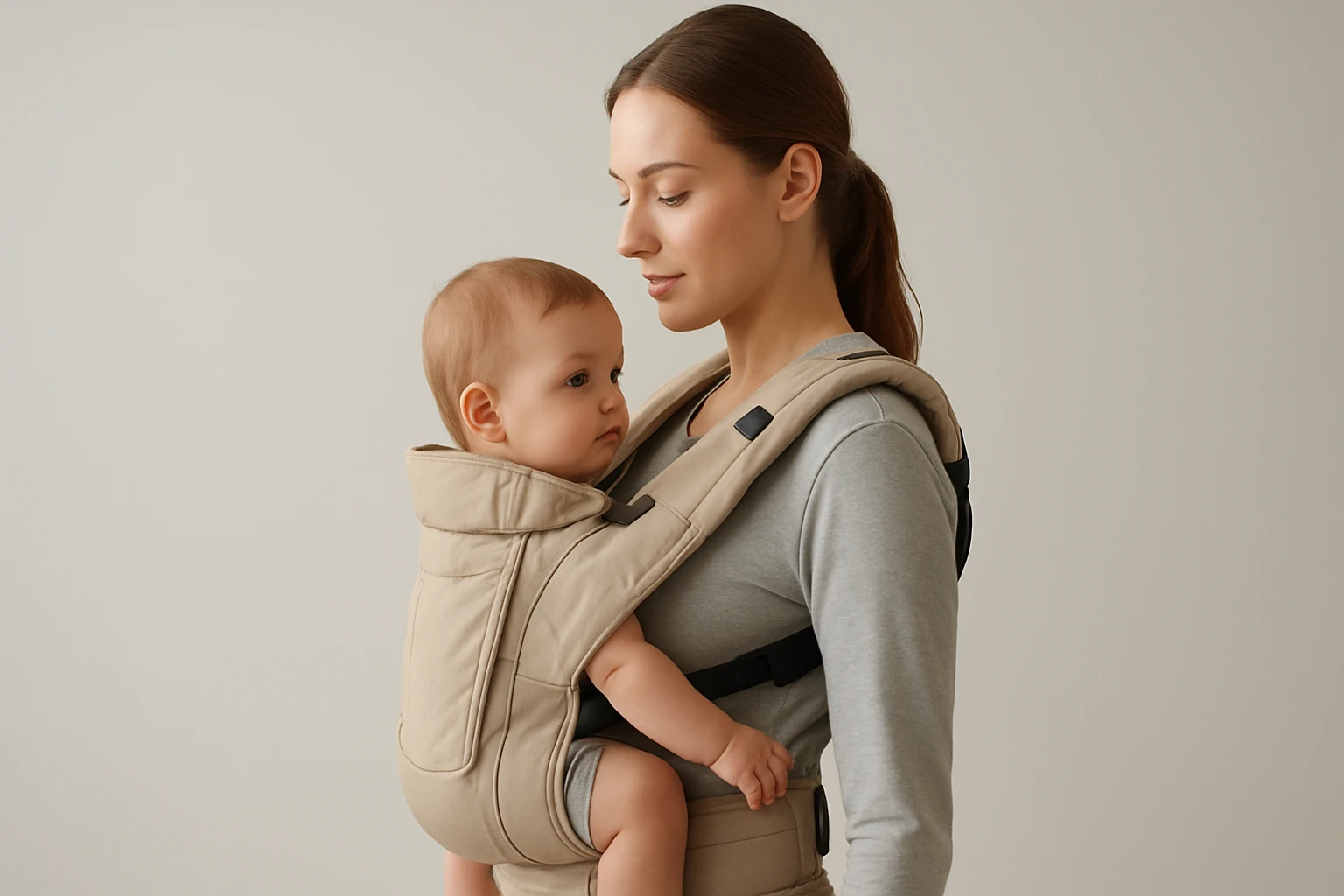
Weight Distribution for Babywearing: Backpacking Guide
Introduction
Winter backpacking with a baby presents a unique set of challenges that require careful planning and precise weight management. This guide explains the fundamental principles of weight distribution, outlines safety considerations, and highlights gear that can make cold‑weather outings both comfortable and secure. Readers will learn how to evaluate backpacks, choose appropriate outer layers, and apply proven strategies to keep the baby safe while enjoying the outdoors.
In addition to theoretical knowledge, the article integrates two highly rated products that address the specific needs of cold‑weather babywearing. By the end of the guide, one will be equipped to make informed purchasing decisions and to implement best‑practice techniques on the trail.
Background and Context
Effective weight distribution is a cornerstone of ergonomic backpacking. When a carrier holds a child, the combined load includes the infant’s weight, the carrier’s own body weight, and any additional gear such as clothing, food, and safety equipment. Improper balance can lead to shoulder strain, spinal misalignment, and reduced stability on uneven terrain.
Winter conditions amplify these concerns because bulky insulation, waterproof layers, and additional accessories increase overall mass. Understanding how to layer clothing, select a supportive carrier, and balance the pack ensures that the caregiver maintains proper posture while keeping the baby warm and protected.
Research from pediatric ergonomics and outdoor medicine demonstrates that a load placed too high on the torso shifts the center of gravity forward, increasing the risk of falls. Conversely, a well‑balanced system distributes weight across the hips, shoulders, and core, reducing fatigue and enhancing maneuverability.
Key Concepts in Weight Distribution
Three core concepts guide safe weight distribution for babywearing in winter:
- Center of Gravity (CoG): Position the baby’s mass close to the caregiver’s natural CoG, typically around the lower back and hips.
- Load Transfer: Use a carrier with a waist belt and padded hip belt to shift the majority of the weight to the pelvis, relieving shoulder strain.
- Layer Management: Choose insulating layers that add warmth without excessive bulk, and secure them to prevent shifting during movement.
Applying these principles reduces muscular fatigue and improves stability, which is essential when navigating icy trails or steep ascents.
Choosing the Right Winter Backpacking Gear
When selecting gear for winter babywearing, prioritize items that combine warmth, lightweight construction, and secure fastening systems. The following sections recommend two products that excel in these areas.
Insulating Outer Layer for the Baby
The first line of defense against cold is a high‑quality insulated jacket. Columbia Sherpa Sweater offers plush, high‑pile fleece that traps heat while remaining breathable. Constructed from 100% polyester, the jacket features an hourglass high‑pile sherpa interior, a full‑length zipper, hand pockets, and an elastic hem. At a price of $45.00 and a rating of 4.8/5 from 1,130 reviews, it provides reliable warmth for infants during sub‑zero excursions.
Key attributes include:
- Extra‑plush sherpa pile for superior insulation.
- High collar for additional coverage around the neck and chest.
- Durable zip and reinforced cuffs to prevent wind infiltration.
Because the jacket is lightweight and compressible, it does not significantly increase the overall load, preserving optimal weight distribution.
Lightweight Warmth for the Caregiver
For the adult carrier, a breathable yet insulated outer layer is essential. The HUGGIES Puffer Jacket delivers a water‑resistant shell with a puffy interior that retains heat without adding excessive bulk. Priced at $24.99 and rated 4.7/5 from 183 reviews, it is an affordable option that still meets performance standards for winter trekking.
Notable features include:
- High‑quality zip and snug hood that protect against wind and precipitation.
- Fleece‑lined interior for added comfort during prolonged exposure.
- Fold‑over sleeves that act as mittens, reducing the need for separate handwear.
The jacket’s lightweight construction helps keep the caregiver’s load within the recommended 10‑15% of body weight, ensuring that the combined system remains balanced.
Comparison and Selection Guide
Choosing the appropriate gear depends on climate severity, trip duration, and personal comfort preferences. The table below contrasts the two featured products across critical criteria.
| Feature | Columbia Sherpa Sweater | HUGGIES Puffer Jacket |
|---|---|---|
| Primary User | Infant | Adult caregiver |
| Material | 100% polyester sherpa | Synthetic insulated shell |
| Warmth Rating | High (deep fleece) | Medium‑high (puffy fill) |
| Weight | Light (approx. 300 g) | Light (approx. 350 g) |
| Price | $45.00 | $24.99 |
| User Rating | 4.8/5 (1,130 reviews) | 4.7/5 (183 reviews) |
For trips where the infant will spend extended periods outdoors, the Columbia Sherpa Sweater offers superior insulation. In contrast, the HUGGIES Puffer Jacket provides a cost‑effective solution for the caregiver, ensuring that the adult remains warm without compromising load balance.
Best Practices & Tips for Safe Winter Babywearing
- Check Fit Before Departure: Verify that the carrier’s waist belt sits snugly on the hips and that the shoulder straps are adjusted to keep the baby’s weight centered.
- Layer Strategically: Use a moisture‑wicking base layer, an insulating mid‑layer (such as the Columbia Sherpa Sweater for the baby), and a wind‑proof outer shell for the adult.
- Secure All Zippers and Closures: Prevent cold air infiltration by fully closing zippers on both the baby’s jacket and the caregiver’s puffer.
- Monitor Temperature Frequently: Feel the baby’s neck and back for signs of overheating or chill; adjust layers accordingly.
- Distribute Pack Weight Evenly: Place heavier items (food, water, emergency gear) close to the spine and low in the pack to maintain a low center of gravity.
- Practice on Flat Terrain First: Conduct a short trial walk to assess comfort and balance before tackling steep or icy sections.
- Carry Emergency Supplies: Include a thermal blanket, extra mittens, and a compact first‑aid kit in an easily reachable pocket.
Following these guidelines reduces the risk of strain and ensures that both caregiver and infant remain comfortable throughout the journey.
Frequently Asked Questions
1. How much weight is safe for a baby carrier on a winter hike?
Most manufacturers recommend that the combined weight of the infant and gear not exceed 20% of the adult’s body weight. For a 150‑lb caregiver, this translates to a maximum of 30 lb, including the carrier itself.
2. Can I use a regular baby sweater instead of a specialized sherpa jacket?
While a regular sweater may provide some warmth, a purpose‑built sherpa jacket like the Columbia Sherpa Sweater offers superior insulation, wind resistance, and a snug fit that minimizes bulk and shifting.
3. What is the best way to keep the baby’s hands warm?
Choose a carrier with built‑in hand covers or use mittens that can be tucked into the carrier’s sleeves. The HUGGIES Puffer Jacket’s fold‑over sleeves act as mitten extensions, which can be paired with the baby’s jacket for added protection.
4. How often should I check the baby’s temperature during a hike?
Check at least every 20‑30 minutes, especially after elevation changes or when entering wind‑chilled zones. Feel the back of the neck and the chest; skin should feel warm, not sweaty.
5. Is it necessary to carry a separate sleeping bag for the baby?
If the hike includes overnight stays, a compact, insulated infant sleeping bag is recommended. However, for day‑trips, a well‑insulated carrier liner combined with the Columbia Sherpa Sweater provides sufficient warmth.
6. Can I use a hiking backpack with a baby carrier attached?
Yes, but ensure the backpack’s straps do not interfere with the carrier’s waist belt. A backpack with a low‑profile design and external attachment points works best.
7. What should I do if the baby becomes too warm?
Immediately remove a layer, such as the outer shell, and check for sweating. Replace the removed layer once the baby cools down to avoid sudden temperature drops.
Conclusion
Winter backpacking with a baby is achievable when weight distribution, proper layering, and reliable gear are prioritized. By understanding the mechanics of load transfer and selecting products such as the Columbia Sherpa Sweater for the infant and the HUGGIES Puffer Jacket for the caregiver, families can enjoy cold‑weather adventures safely and comfortably. Implement the best‑practice tips, monitor conditions continuously, and remember that preparation is the cornerstone of a successful outing.
Products Featured in This Guide
Columbia Sherpa Sweater
Price: $45.00 | Rating: 4.8/5 (1,130 reviews)
Featured for its high‑pile sherpa fleece that provides exceptional warmth for infants without adding excessive bulk, making it ideal for balanced winter babywearing.
HUGGIES Puffer Jacket
Price: $24.99 | Rating: 4.7/5 (183 reviews)
Featured for its lightweight, water‑resistant insulation and convenient fold‑over sleeves, providing the caregiver with reliable warmth while preserving overall load balance.