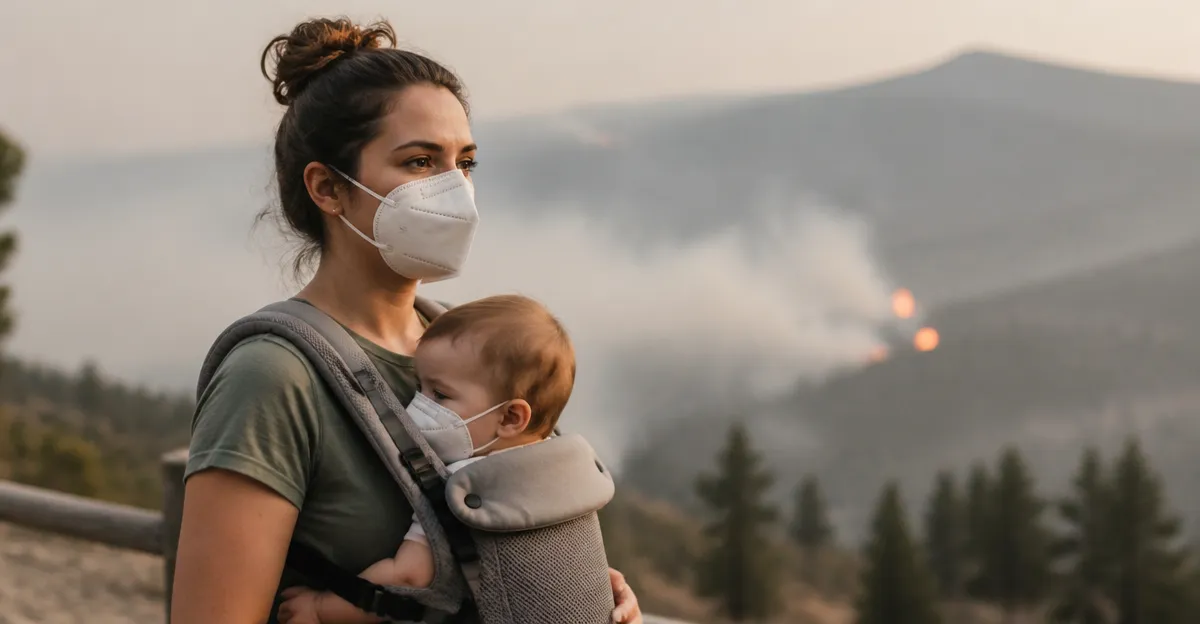
Are Baby Carriers Safe in Wildfire Smoke? A Practical Guide to Protecting Infants
Introduction
Wildfire smoke presents a complex health challenge for families who rely on baby carriers for mobility and bonding. This guide explains the risks associated with particulate matter, outlines strategies to reduce exposure, and offers practical recommendations for caregivers. Readers will learn how to evaluate carrier designs, use protective accessories, and implement daily habits that safeguard infant respiratory health. By the end of the article, one will be equipped to make informed decisions during smoke events.
Background and Context
Wildfire smoke consists of fine particles (PM2.5) and gases that can penetrate deep into the lungs and cross the placental barrier in pregnant individuals. Infants have narrower airways, higher breathing rates, and immature immune systems, making them especially vulnerable. The American Academy of Pediatrics advises minimizing outdoor exposure for children under two years when air quality indices exceed 100. Understanding these scientific foundations is essential before assessing the safety of baby carriers in smoky environments.
Assessing Baby Carrier Safety in Smoke
Not all carriers provide the same level of protection against airborne contaminants. The primary considerations include the carrier’s material breathability, coverage area, and ability to accommodate additional protective layers such as masks or shields. Carriers made from tightly woven fabrics may limit airflow, potentially trapping smoke particles close to the infant’s face. Conversely, carriers with open‑back designs promote ventilation but may expose the infant’s head to ambient air.
When selecting a carrier for smoke conditions, caregivers should prioritize models that allow the infant’s head to remain uncovered while still offering secure support. Adjustable hoods or detachable covers can be added to create a barrier without compromising comfort. In addition, caregivers must consider the practicality of pairing the carrier with personal protective equipment (PPE) for themselves, as adult exposure directly influences the infant’s environment.
Protective Accessories: Masks and Air Filtration
While infants cannot wear standard face masks, caregivers can protect themselves with high‑efficiency particulate‑air (HEPA) respirators, reducing the amount of smoke they exhale near the infant. For older children who may accompany the caregiver, the DUASTAR Kids Disposable Face Masks provide a convenient solution. These masks are individually wrapped, feature a three‑ply construction, and have earned a 4.7‑star rating from 1,698 reviewers. Priced at $8.99 for a 50‑pack, they combine comfort with effective filtration for children over two years.
The masks are designed with a kawaii aesthetic that encourages compliance among young users. Their unisex design, soft ear loops, and breathable layers make them suitable for short‑duration outdoor activities during smoke events. Caregivers should ensure that masks fit snugly but do not restrict breathing, and they must replace them after each use to maintain filtration efficiency.
Comparison and Selection Guide
Below is a concise comparison of three carrier categories commonly considered for smoke exposure:
- Structured Wraps: Offer firm support and can be layered with a lightweight, breathable cover. They tend to be heavier and may increase heat retention.
- Soft‑Structured Carriers (SSC): Provide adjustable straps, good lumbar support, and often include a detachable hood. They balance protection and ventilation well.
- Ring Slings: Highly breathable and allow quick adjustments, but provide limited head coverage and may not accommodate additional shields.
When smoke levels are high, the SSC category is generally the most appropriate because the detachable hood can be combined with a thin, smoke‑resistant fabric without compromising airflow. Structured wraps are best reserved for indoor use where air quality is controlled. Ring slings are suitable for brief outdoor trips when the infant’s head remains uncovered.
Best Practices & Tips
To minimize infant exposure while using a carrier, caregivers should follow these evidence‑based practices:
- Check local air‑quality indices before leaving the house; postpone outings if PM2.5 exceeds 150 µg/m³.
- Wear a certified N95 or P100 respirator and ensure a proper seal; replace filters according to manufacturer guidance.
- Choose a carrier with a detachable, breathable hood that can be layered with a thin, smoke‑resistant fabric.
- Keep the infant’s head positioned forward, allowing the nose and mouth to remain in the cleanest possible airflow.
- Hydrate the infant regularly, as dry air from smoke can irritate mucous membranes.
- Limit the duration of outdoor exposure; aim for short, purposeful trips rather than prolonged walks.
In addition, caregivers should maintain a portable air‑purifier in the home to create a safe indoor sanctuary. HEPA filters can reduce indoor particulate concentrations to levels comparable to those on a clear day, providing a reliable backup when outdoor conditions deteriorate.
Frequently Asked Questions
1. Can an infant wear a face mask in wildfire smoke? Infants under two years should not wear masks because their breathing patterns differ from adults, and masks may increase the risk of carbon dioxide buildup.
2. Does a carrier’s material affect smoke exposure? Yes; tightly woven fabrics can trap particles, whereas breathable meshes promote air exchange, reducing the concentration of smoke around the infant.
3. How often should a caregiver replace their respirator filter? Filters should be replaced after each day of heavy exposure or according to the manufacturer’s recommended service life, whichever occurs first.
4. Are there any specific brands that are recommended for smoke conditions? Brands that offer detachable, breathable hoods—such as Ergobaby, BabyBjörn, and Lillebaby—are frequently cited by pediatric health experts for use during air‑quality events.
5. What signs indicate that an infant is affected by smoke? Watch for increased coughing, wheezing, irritability, or difficulty feeding; seek medical attention if symptoms persist.
6. Is it safe to use a carrier inside a vehicle when windows are closed? Yes, provided the vehicle’s ventilation system is set to recirculate filtered air and the interior air quality has been verified with an onboard sensor.
7. Can indoor air purifiers replace the need for protective masks? Indoor purifiers improve indoor air quality but do not protect against outdoor exposure; masks remain essential for caregivers during travel.
Conclusion
Protecting infants while using baby carriers during wildfire smoke requires a multifaceted approach that blends carrier selection, personal protective equipment, and vigilant monitoring of air quality. By choosing carriers with breathable designs, employing appropriate masks for older children, and following best‑practice guidelines, caregivers can significantly reduce health risks. The information presented in this guide empowers one to make evidence‑based decisions that prioritize infant safety without sacrificing the convenience and bonding benefits of baby carriers.
Products Featured in This Guide
DUASTAR Kids Disposable Face Masks
Price: $8.99
Rating: 4.7/5.0 (1,698 reviews)
Why it is featured: The masks provide an affordable, child‑friendly filtration option for older siblings or toddlers accompanying a caregiver during smoke events, complementing the protective strategies discussed for infant carriers.