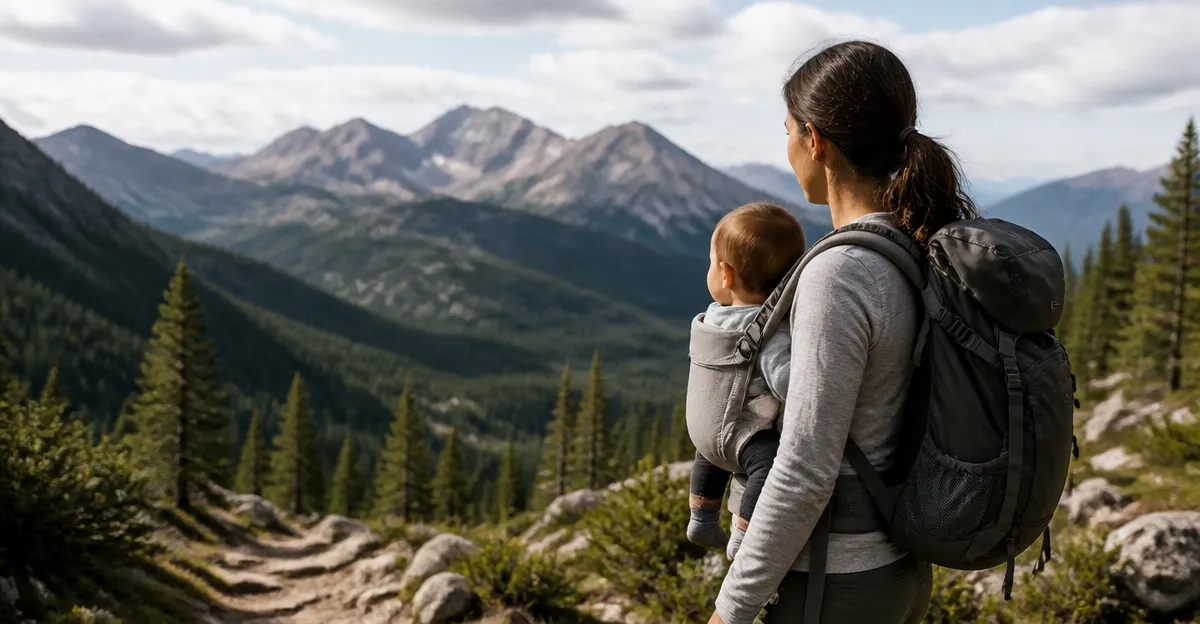
Babywearing on Guided Hikes: Legal Liability Guide for Guides, Outfitters & Parents
Introduction
The popularity of babywearing on guided hikes has created a unique intersection of recreation, childcare, and legal responsibility. Readers will learn the regulatory landscape, risk management strategies, and practical product recommendations that support safe, enjoyable outings. This guide addresses the concerns of professional guides, outdoor outfitters, and parents who share the trail with infants. By the end of the article, one will be equipped to make informed decisions that minimize liability while maximizing family fun.
Background/Context
Guided hikes operate under a framework of local, state, and federal regulations that govern outdoor recreation and child safety. Liability stems from negligence, breach of duty, or failure to provide reasonable care, and it applies to both service providers and participants. Babywearing introduces additional variables such as carrier weight limits, infant positioning, and environmental exposure. Understanding these factors is essential before planning any trail activity that includes a child.
Legal Framework for Guides
Professional guides are typically required to hold certifications, insurance, and permits that demonstrate competence and financial responsibility. Negligence may be established if a guide fails to assess trail difficulty, weather conditions, or the suitability of a carrier for a specific infant. Guides must obtain informed consent from parents, documenting the child’s age, weight, and any medical considerations. Written waivers, while not absolute shields, provide evidence that participants were aware of inherent risks.
Liability for Outfitters
Outfitters who organize group hikes bear a duty to ensure that all equipment, including baby carriers, meets safety standards. They should verify that carriers are ASTM or CPSC compliant and that users have received proper instruction. Failure to enforce these standards can result in premises liability claims if an injury occurs on property owned or managed by the outfitter. Maintaining comprehensive general liability insurance is a prudent safeguard against unexpected litigation.
Responsibilities of Parents
Parents act as the primary caregivers and must evaluate whether a given trail is appropriate for their infant. This includes reviewing carrier specifications, checking for hazards such as steep inclines, and monitoring the child’s comfort throughout the hike. Parents should also carry emergency supplies, including a first‑aid kit and a means of communication. By demonstrating reasonable care, parents reduce the likelihood of contributory negligence findings.
Product Recommendations
Two resources provide valuable guidance for families embarking on babywearing adventures. The first, How to Baby, offers a humorous yet insightful perspective on motherhood, complemented by illustrative drawings that clarify positioning and comfort. With a rating of 4.9/5.0 from 39 reviewers and a price of $14.63, it serves as an accessible reference for new parents.
The second, Parent Starter Kit, delivers a practical, emotionally supportive roadmap covering baby care, sleep training, and child development. Priced at $4.99 and rated 4.9/5.0 by 14 reviewers, this Kindle edition is convenient for on‑the‑go consultation during trail preparation. Both titles complement safety protocols by educating caregivers on developmental considerations that influence carrier selection.
Comparison/Selection Guide
When choosing a baby carrier for guided hikes, consider the following criteria:
- Weight Capacity: Verify that the carrier supports the infant’s weight plus any additional gear.
- Ergonomic Design: Look for hip‑supportive structures that distribute load evenly for the adult.
- Ventilation: Mesh panels reduce overheating in warm climates.
- Adjustability: Multiple strap options accommodate growth and different body types.
- Compliance: Ensure the carrier meets ASTM F2236 or equivalent safety standards.
Guides and outfitters may prefer carriers that are easy to inspect and clean, while parents may prioritize comfort and aesthetic appeal. By aligning product features with these priorities, stakeholders can select equipment that satisfies both safety and user experience goals.
Best Practices & Tips
Implement the following strategies to mitigate liability and enhance safety:
- Conduct a pre‑hike safety briefing that covers carrier usage, trail difficulty, and emergency procedures.
- Perform a hands‑on demonstration of carrier adjustments for each participant.
- Maintain a written log of equipment inspections, including carrier condition and certification status.
- Establish clear communication channels between guides, outfitters, and parents, using radios or mobile apps.
- Encourage parents to read relevant sections of How to Baby and Parent Starter Kit before the excursion.
Regularly reviewing these practices fosters a culture of safety and demonstrates due diligence, which can be persuasive evidence in the event of a claim.
FAQ
1. What legal documents should a guide obtain from parents? A signed waiver, a health disclosure form, and a copy of the infant’s birth certificate or pediatric record are recommended.
2. Are there specific trails that are prohibited for babywearing? Trails classified as Class III or higher in the Yosemite Decimal System generally exceed safe limits for carriers due to steep grades and technical obstacles.
3. How often should a carrier be inspected? Inspect carriers before each hike, focusing on seams, buckles, and load‑bearing straps; perform a comprehensive check quarterly.
4. Does insurance cover injuries to infants on guided hikes? Most general liability policies extend coverage to minor participants, but it is essential to confirm infant coverage with the insurer.
5. Can a parent be held liable for an infant’s injury? Yes, if the parent’s negligence contributed to the injury, such as ignoring carrier weight limits or failing to monitor the child’s condition.
Conclusion
Babywearing on guided hikes presents rewarding experiences alongside complex legal responsibilities. By understanding regulatory obligations, selecting appropriate carriers, and employing thorough risk‑management practices, guides, outfitters, and parents can protect themselves and enjoy the outdoors safely. The recommended literature—How to Baby and Parent Starter Kit—provides foundational knowledge that reinforces these strategies.
Products Featured in This Guide
How to Baby
Price: $14.63
Rating: 4.9/5.0 (39 reviews)
Featured because it offers visual guidance on infant positioning, which is essential for safe carrier use during hikes.
Parent Starter Kit
Price: $4.99
Rating: 4.9/5.0 (14 reviews)
Featured for its practical advice on infant care and development, supporting parents in making informed decisions about trail suitability.
Frequently Asked Questions
What legal responsibilities do guides have when allowing babywearing on a guided hike?
Guides must follow local, state, and federal safety regulations, ensure carriers meet weight limits, and provide reasonable care to avoid negligence claims.
Do outfitters need special insurance for babywearing participants?
Yes, outfitters should carry liability coverage that specifically includes child‑care activities and babywearing to protect against injury claims.
What safety standards should parents check before babywearing on a hike?
Parents should verify the carrier is US‑CPSC approved, respects the infant’s weight and age limits, and positions the child securely with proper head support.
How can guides minimize liability risk when a baby is on the trail?
Guides can conduct pre‑hike risk assessments, provide written safety guidelines, and obtain signed waivers acknowledging the added risks of babywearing.
Are there any federal regulations that specifically address babywearing on public lands?
While no federal law targets babywearing alone, the Wilderness Act and National Park Service policies require reasonable care for all participants, including infants, under general recreation safety rules.