Introduction
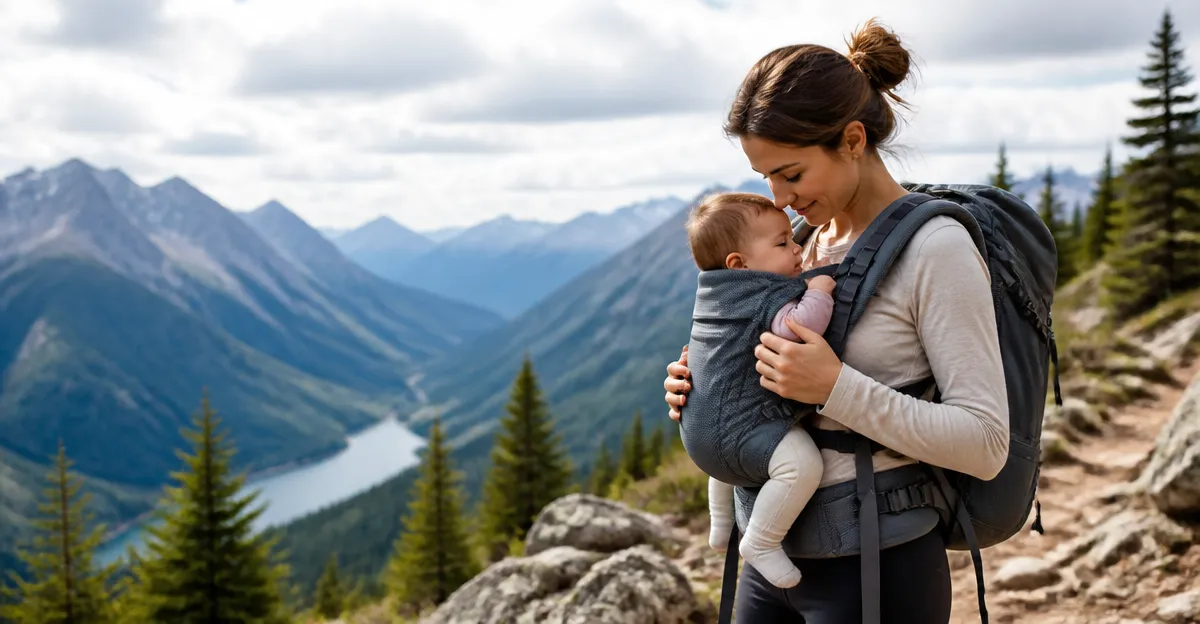
Parents who enjoy hiking often wonder whether carrying a baby in a carrier interferes with successful breastfeeding. This guide clarifies the relationship between babywearing and nursing on the trail, offering evidence‑based insights and actionable strategies. Readers will learn how to select gear that supports both infant ergonomics and lactation, how to manage milk flow while moving, and how to stay safe in diverse outdoor conditions. By the end of the article, one will be equipped to combine adventure with nurturing care confidently.
Background and Context
Babywearing is the practice of carrying an infant close to the caregiver’s body using a sling, wrap, or structured carrier. Research from the International Hip Dysplasia Institute confirms that carriers that promote a hip‑healthy position also foster natural infant reflexes that aid feeding. Breastfeeding, meanwhile, relies on proper latch, relaxed positioning, and unobstructed milk flow. When these two activities intersect, the caregiver must balance weight distribution, temperature regulation, and privacy.
Hiking introduces additional variables such as uneven terrain, altitude, and weather changes. The caregiver’s posture may shift frequently, and the baby’s needs for warmth or cooling can evolve quickly. Understanding how each factor influences milk let‑down and infant comfort is essential before embarking on a trail.
Understanding Babywearing on Hikes
Three core concepts determine the success of outdoor nursing while babywearing: ergonomic support, breathable materials, and accessibility. An ergonomic carrier maintains the infant’s hips at a 45‑degree angle, reducing strain on both the baby’s developing joints and the caregiver’s back. Breathable fabrics prevent overheating, which can suppress milk production and cause infant discomfort. Accessibility ensures that the caregiver can reach the baby’s mouth without removing the carrier entirely.
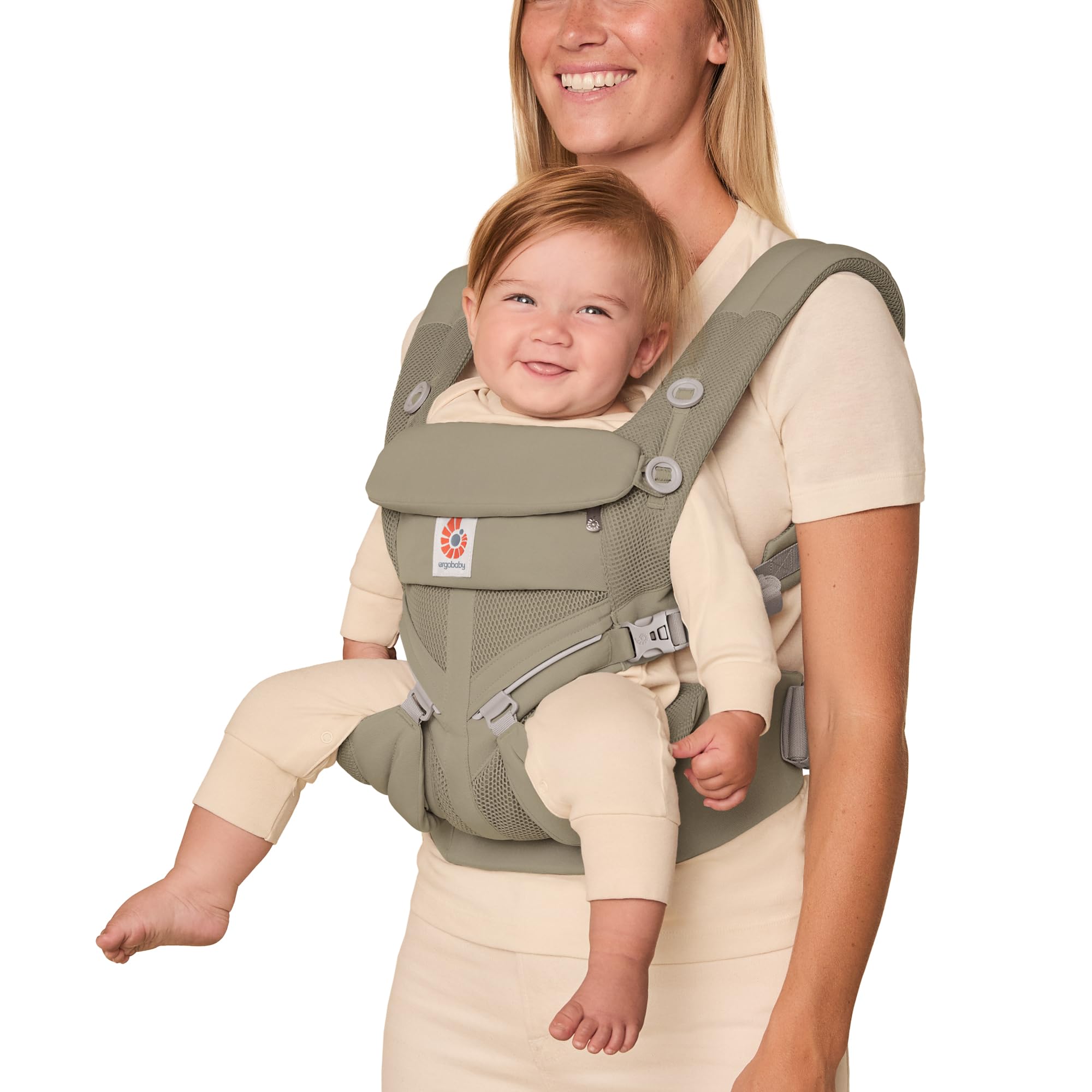
For these reasons, the Ergobaby Omni Baby Carrier stands out. It offers four ergonomic positions—including inward‑facing and hip carry—adjustable lumbar support, and a breathable mesh construction. The carrier supports infants from newborn to 48 months (7‑45 lb) and carries a 4.6‑star rating from over 7,000 reviewers, indicating broad satisfaction with comfort and durability.
Choosing the Right Carrier for Hiking and Nursing
When evaluating carriers, consider the following criteria:
- Weight Capacity and Adjustability: The carrier should accommodate the caregiver’s body type and the baby’s growth. The Omni Carrier’s one‑size‑adjustable design fits users from petite to 4XL.
- Ventilation: Mesh panels promote airflow, essential for maintaining a cool environment during exertion.
- Latch‑Friendly Positioning: Inward‑facing or hip carry positions keep the infant’s head at eye level, simplifying latch without compromising the caregiver’s posture.
- Ease of Release: Quick‑release buckles allow the caregiver to free the infant for a nursing break without fully dismounting.
At a price of $179.00, the Omni Carrier represents an investment in long‑term ergonomic health. Its 80‑point safety inspection and hip‑healthy certification provide confidence for parents who intend to use the carrier for both everyday activities and extended hikes.
Complementary Nursing Cover for Outdoor Privacy
Even in open spaces, many mothers desire privacy while nursing. A lightweight, breathable cover protects against wind, sun, and prying eyes without adding bulk. The PPOGOO Muslin Nursing Cover is constructed from pure cotton muslin, offering softness, breathability, and a multi‑layer design that stays cool in warm weather.
Key features that complement hiking include a curved neckline window for eye contact, an adjustable strap that prevents slippage, and a compact fold that fits easily into a carrier pocket. With a 4.6‑star rating from over 5,000 reviewers and a price of $9.99, the cover provides an affordable solution for maintaining dignity and comfort during on‑trail nursing sessions.
Comparison and Selection Guide
| Feature | Ergobaby Omni Baby Carrier | PPOGOO Muslin Nursing Cover |
|---|---|---|
| Primary Function | Babywearing with ergonomic support | Breastfeeding privacy |
| Material | Breathable mesh, machine‑washable fabric | 100 % cotton muslin, multi‑layer |
| Weight Capacity | 7‑45 lb (0‑48 months) | N/A (cover only) |
| Price | $179.00 | $9.99 |
| Ratings | 4.6/5 (7,434 reviews) | 4.6/5 (5,099 reviews) |
The carrier excels in structural support and long‑term use, while the nursing cover provides immediate privacy and temperature regulation. Parents who prioritize ergonomic health should select the carrier first; the cover then adds a layer of comfort for on‑trail nursing.
Best Practices & Tips for Safe, Comfortable Outdoor Nursing
- Pre‑Hike Preparation: Test the carrier at home, ensuring the infant’s hips are in the recommended spread‑squat position. Practice a quick release so you can transition to nursing without panic.
- Hydration and Nutrition: Keep water and a light snack within reach. Proper maternal hydration supports milk supply, especially at altitude.
- Temperature Management: Use the carrier’s breathable mesh on warm days and add a light fleece liner in cooler weather. The muslin nursing cover doubles as a sun shield.
- Positioning for Latch: When stopping to nurse, shift the carrier to the inward‑facing or hip‑carry position. This aligns the baby’s mouth with the breast while keeping the caregiver’s spine neutral.
- Frequent Breaks: Schedule short nursing intervals every 30‑45 minutes to relieve pressure on the caregiver’s shoulders and to stimulate milk flow.
- Safety Checks: Verify that all buckles are securely fastened before each ascent. Inspect the carrier for wear after each hike.
Frequently Asked Questions
Can I breastfeed directly while the baby is still in the carrier?
Yes, if the carrier is in an inward‑facing or hip‑carry position that allows the infant’s chin to rest on the breast. Ensure the carrier’s straps are snug but not restrictive, and use the nursing cover for added privacy.
Will the carrier’s mesh cause the baby to get cold on high‑altitude hikes?
The mesh is designed for ventilation, but at higher elevations temperatures can drop quickly. Adding a lightweight, breathable liner underneath the carrier helps retain warmth without compromising airflow.
How often should I clean the carrier and nursing cover?
Both products are machine‑washable. The carrier should be washed after every few uses to prevent odor buildup, while the nursing cover can be washed after each outing to maintain hygiene.
Is the nursing cover suitable for use in windy conditions?
Yes. The muslin fabric drapes gently, and the rigid hoop maintains shape, shielding the breast from gusts while still allowing eye contact through the neckline window.
Do I need a separate breast pump for long hikes?
A portable manual pump can be useful for expressing milk during extended trips, but many mothers find that regular nursing breaks while using the carrier provide sufficient relief.
Conclusion
Babywearing does not inherently impede breastfeeding on hikes; rather, it can enhance the experience when paired with ergonomic equipment and thoughtful practices. Selecting a carrier that offers hip‑healthy support, breathable construction, and easy access—such as the Ergobaby Omni Baby Carrier—creates a solid foundation for safe outdoor nursing. Complementing the carrier with a lightweight, breathable nursing cover like the PPOGOO Muslin Nursing Cover ensures privacy and comfort. By following the best‑practice checklist, parents can enjoy the therapeutic benefits of nature while maintaining a healthy milk supply and a happy infant.
Products Featured in This Guide
Ergobaby Omni Baby Carrier
Price: $179.00 | Rating: 4.6/5 (7,434 reviews)
Featured for its four‑position ergonomic design, breathable mesh, and hip‑healthy certification, making it ideal for hiking parents who need reliable support for both baby and caregiver.
PPOGOO Muslin Nursing Cover
Price: $9.99 | Rating: 4.6/5 (5,099 reviews)
Featured for its 100 % cotton breathable fabric, curved neckline window, and adjustable strap, providing privacy and comfort for on‑trail nursing without adding significant weight.
