Introduction
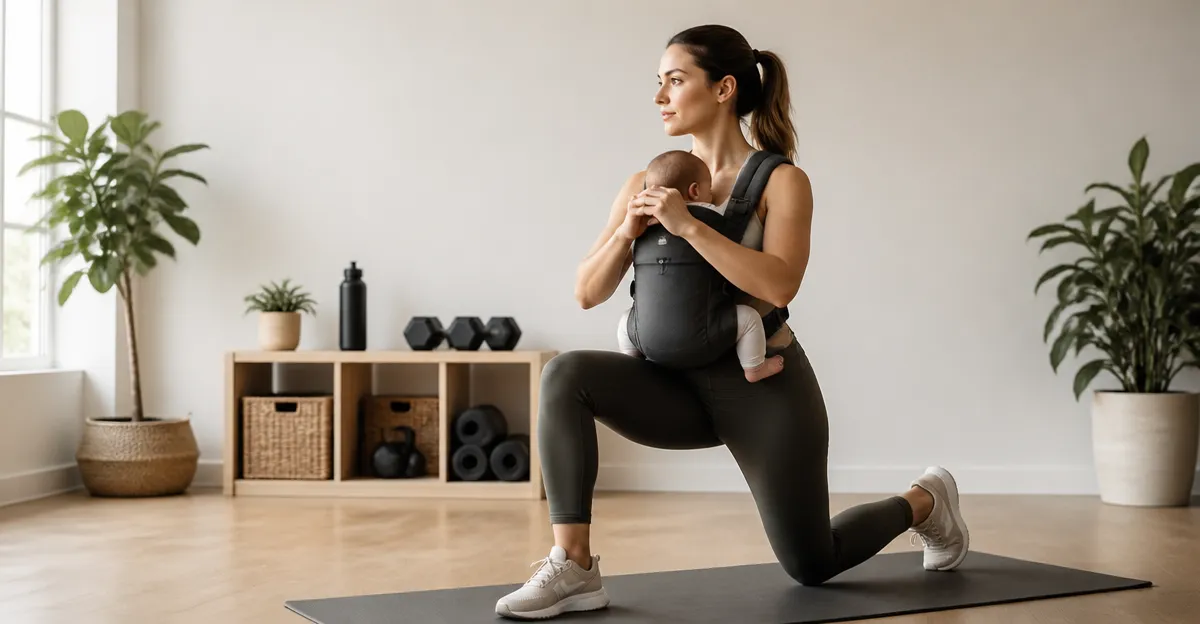
This guide explains how a new mother can develop a structured postpartum fitness progression while safely incorporating babywearing. It outlines each phase, from initial recovery assessment to low‑impact cardio, and highlights tools that support core stability, pelvic alignment and comfort. By following the plan, one can regain strength, reduce back pain and enjoy bonding time with the infant without compromising health.
The reader will learn how to assess readiness, select appropriate compression garments, integrate babywearing, and troubleshoot common setbacks. The approach balances medical guidance with practical fitness principles, ensuring a safe and sustainable return to activity.
What You’ll Need
- QEESMEI Postpartum Abdominal Binder – targeted compression for core support.
- NYOrtho 9in Abdominal Binder – adjustable support belt for early strength work.
- FREETOO Postpartum Belly Wrap – dual‑compression wrap for extended wear.
- Vriksasana Sacroiliac Hip Belt – SI‑joint stabilizer for pelvic alignment.
- Comfortable, breathable baby carrier appropriate for newborns.
- Yoga mat, light resistance bands, and a stable surface for floor work.
Step 1: Assess Your Postpartum Recovery Status
Before initiating any exercise, one should obtain clearance from a healthcare professional, especially after cesarean delivery or abdominal surgery. Evaluate incision healing, swelling, and any lingering pain by gently palpating the area and noting discomfort levels. Use a simple 0‑10 pain scale; aim for a rating of 2 or lower before progressing.
Document baseline measurements such as waist circumference and pelvic tilt. This data will serve as a reference point for tracking improvement throughout the program.
Step 2: Reintroduce Core Activation with Gentle Compression
Begin with diaphragmatic breathing and pelvic floor contractions while seated or lying supine. Wearing a compression garment enhances proprioceptive feedback, encouraging the abdominal muscles to engage without excessive strain. The QEESMEI Postpartum Abdominal Binder provides targeted compression, breathable mesh, and adjustable Velcro straps that accommodate swelling reduction.
Features relevant to this step include:
- Targeted compression that stabilizes the incision site.
- Adjustable straps for a customized fit as the abdomen changes.
- Breathable bamboo‑charcoal blend that remains cool during low‑intensity work.
Perform 5‑minute breathing sessions twice daily, focusing on expanding the lower ribs while gently drawing the belly button toward the spine. The binder’s support reduces the risk of over‑extension and encourages proper muscle recruitment.
Step 3: Strengthen Core with Structured Support
After two weeks of consistent breathing work and once pain remains minimal, introduce mild core strengthening using a more rigid support belt. The NYOrtho 9in Abdominal Binder offers a 9‑inch height and three‑panel design that distributes pressure evenly across the waist.
Key attributes:
- Custom fit for waist sizes 60‑75 in, ensuring a snug yet comfortable compression.
- Latex‑free, lightweight fabric that permits movement during gentle abdominal bracing.
- Adjustable compression that improves circulation and oxygenation, aiding tissue repair.
Execute the following routine three times per week:
- Supine pelvic tilts – 10 repetitions, holding each tilt for 5 seconds.
- Modified side‑lying clamshells – 12 repetitions per side, maintaining binder support.
- Seated heel slides – 15 repetitions, focusing on controlled abdominal engagement.
The binder’s firm compression encourages proper alignment, reducing compensatory lumbar extension that can exacerbate back pain.
Step 4: Integrate Babywearing Safely
When the core exercises feel stable and the binder is no longer required for basic support, introduce babywearing during low‑impact movements. Select a carrier that distributes weight across the hips and shoulders, and ensure the infant’s head is supported at all times.
Start with short walking sessions of 5‑10 minutes, keeping the carrier snug but not restrictive. Monitor posture by checking that the shoulders remain relaxed, the spine maintains its natural curve, and the hips are level. If any discomfort arises, pause and reassess the carrier fit before proceeding.
Step 5: Progress to Low‑Impact Cardio while Wearing Baby
As endurance improves, extend walking duration to 20‑30 minutes and incorporate gentle intervals of marching in place. The FREETOO Postpartum Belly Wrap is ideal for this phase because its dual‑compression technology provides 360° waist coverage while allowing full range of motion.
Relevant features:
- 3D‑knitted fabric offers elasticity and breathability for all‑day comfort.
- Adjustable side straps enable compression adjustments as the abdomen fluctuates throughout the day.
- X‑shaped back panel stabilizes the lower back and pelvis, reducing strain during walking.
During each cardio session, maintain a steady pace, keep the carrier centered, and use the wrap to support the abdomen as the core works to stabilize the torso. Aim for three sessions per week, gradually increasing distance by 10% each week.
Step 6: Address Pelvic Stability and SI‑Joint Support
Some mothers experience lingering sacroiliac (SI) joint discomfort, especially when carrying a baby for extended periods. The Vriksasana Sacroiliac Hip Belt provides dual‑adjustment compression that targets the hip and lower back region.
Key benefits include:
- Fits hip circumferences 32‑45 in, suitable for most postpartum bodies.
- Anti‑slip silicone strips keep the belt in place during movement.
- Secondary straps allow focused compression on sore areas, aiding inflammation reduction.
Wear the belt for 30‑45 minutes after babywearing sessions, or during periods of prolonged sitting. Combine with gentle pelvic tilts and glute bridges to reinforce the stabilizing effect.
Tips & Pro Tips
- Hydrate adequately; proper fluid intake supports tissue healing and reduces muscle cramping.
- Schedule workouts at the same time each day to establish a routine that aligns with feeding schedules.
- Use a journal to record pain levels, binder adjustments, and babyweight; patterns will reveal when to progress or regress.
- Prioritize sleep; recovery is accelerated when the body receives sufficient rest.
- If any sharp or increasing pain occurs, discontinue the activity and consult a healthcare provider.
Troubleshooting
Problem: Discomfort under the binder during core exercises.
Solution: Reduce compression by loosening Velcro straps, ensure the binder sits above the incision, and perform exercises on a cushioned mat.
Problem: Baby feels hot in the carrier.
Solution: Remove the FREETOO Postpartum Belly Wrap for a short break, and choose a carrier with breathable mesh.
Problem: SI‑joint belt slides during movement.
Solution: Activate the anti‑slip silicone strips and ensure the belt is centered over the hips before each use.
Conclusion
The progression outlined in this guide enables a new mother to rebuild core strength, protect the healing abdomen, and integrate babywearing into daily activity safely. By employing targeted compression garments at each stage, one can minimize discomfort, accelerate recovery, and enjoy the benefits of postpartum fitness. Consistency, mindful listening to one’s body, and appropriate tool selection are the pillars of long‑term success.
Products Mentioned in This Guide
Frequently Asked Questions
How do I assess if I'm ready to begin postpartum fitness after delivery?
Start with a medical clearance, check for any pain or bleeding, and ensure you can perform gentle core activation without discomfort.
What benefits does a postpartum abdominal binder provide during babywearing workouts?
The binder offers targeted compression that supports the core, improves pelvic alignment, and reduces strain while you move with your baby.
Which low‑impact cardio activities are safe while babywearing?
Walking, stationary marching, and gentle step‑touch drills are ideal, as they keep impact low and allow you to maintain a stable hold on your infant.
How frequently should I incorporate babywearing into my early postpartum fitness routine?
Begin with 5‑10 minute sessions 2‑3 times a week, gradually increasing duration as your strength and comfort improve.
What common setbacks might occur and how can I address them?
Back pain, shoulder fatigue, or baby discomfort are typical; pause the session, adjust your posture or carrier, and focus on breathing before resuming.