How to Inspect a Used Framed Child Carrier Before Buying: Complete Safety Checklist & Buyer's Guide
Introduction
When a parent considers purchasing a used framed child carrier, safety and durability become paramount concerns. This guide explains the essential steps to evaluate a pre‑owned carrier, outlines the key features to verify, and provides actionable advice for making an informed decision. Readers will learn how to assess structural integrity, examine wear patterns, and understand certification requirements. By following the checklist, one can protect both child and caregiver from hidden hazards.
Background and Context
Framed child carriers are engineered to distribute a child's weight across the caregiver's torso, reducing strain on the shoulders and back. They differ from soft‑structured carriers in that they incorporate a rigid or semi‑rigid frame, often made of aluminum or reinforced polymer. The frame enhances posture support and allows for ergonomic positioning, which is especially important for infants with developing hips. Understanding the terminology—such as "hip‑healthy," "bucket seat," and "adjustable back panel"—helps a buyer recognize quality attributes during inspection.
Key Inspection Areas
Inspecting a used carrier requires a systematic approach. The following sections break down the most critical components and describe how to evaluate each one.
1. Structural Frame
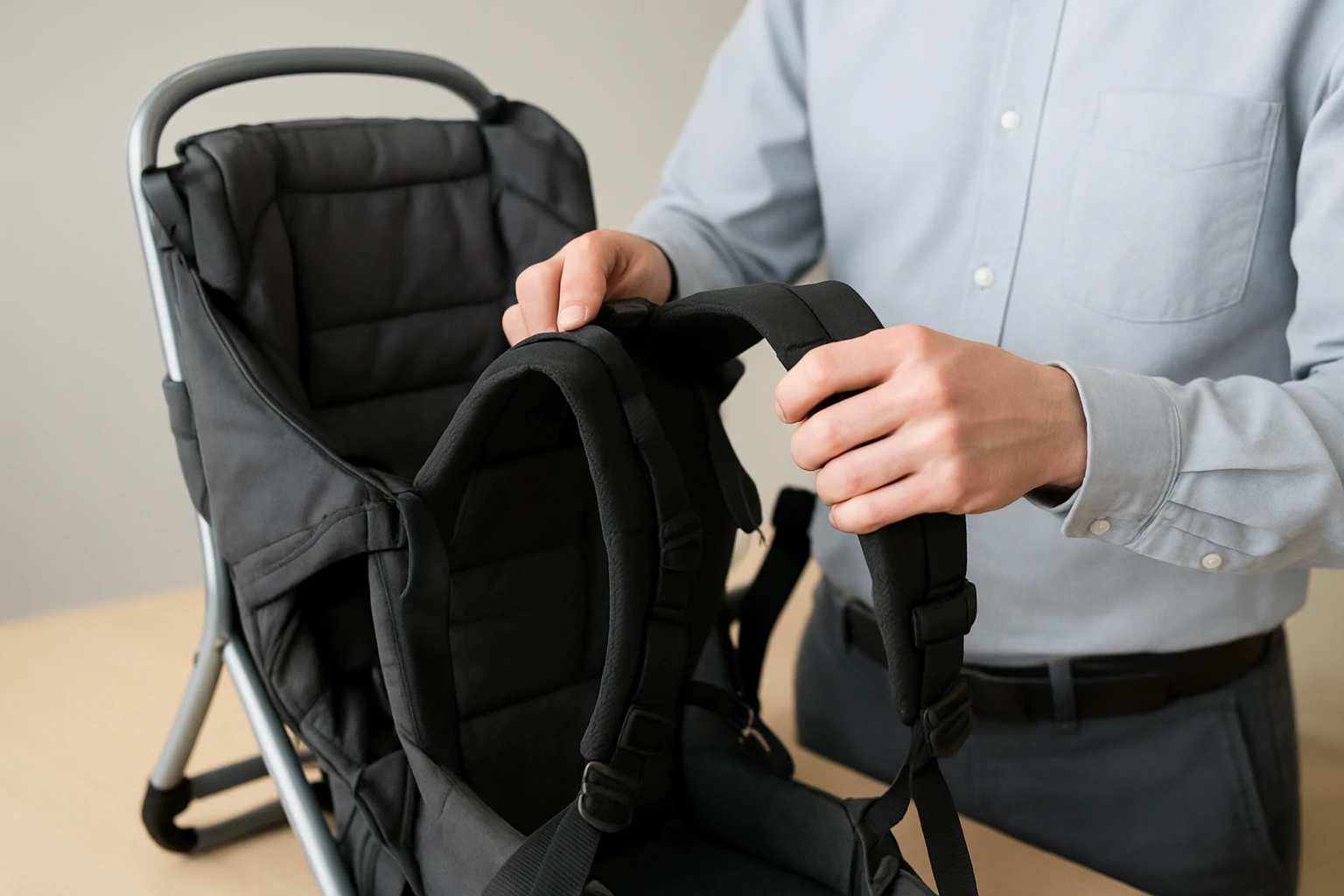
The frame should be free of cracks, bends, or corrosion. Run a gentle hand along each tube to detect rough edges or splinters that could irritate the skin. Verify that all joints lock securely and that any removable parts, such as the lumbar support, fit snugly without wobble. A compromised frame can lead to sudden failure under load, posing a serious safety risk.
2. Harness and Buckles
All buckles must engage cleanly and release without excessive force. Test each latch multiple times to ensure smooth operation. Inspect the webbing for fraying, discoloration, or thinning, which may indicate prolonged exposure to sunlight or washing cycles. Replace any worn harness components before use, as they are vital for keeping the child securely attached.
3. Padding and Fabric
Padding should retain its shape and provide consistent cushioning. Press the shoulder and lumbar pads to confirm they do not compress excessively, which would reduce comfort. Examine the outer fabric for tears, holes, or signs of delamination from the inner layers. Many carriers feature machine‑washable fabrics; verify that the stitching remains intact after repeated laundering.
4. Ergonomic Features
Modern carriers incorporate ergonomic designs such as a bucket seat that supports the child's hips in a natural position. Ensure the seat angle can be adjusted and that the back panel moves smoothly to accommodate growth. Look for certifications from the International Hip Dysplasia Institute (IHDI), which indicate that the carrier promotes hip‑healthy positioning.
5. Safety Certifications and Labels
Check for labels indicating compliance with ASTM, EN, or other regional safety standards. Verify that the carrier has passed an 80‑point inspection, a benchmark used by reputable manufacturers. Absence of certification documentation should prompt caution, as it may signal a counterfeit or substandard product.
6. Accessories and Extras
Many carriers include optional accessories such as privacy hoods, drool bibs, or weather‑proof covers. Confirm that these items are genuine and compatible with the carrier model. While accessories do not affect structural safety, they contribute to overall functionality and user satisfaction.
Recommended Products for Reference
While the primary focus of this guide is on inspecting used carriers, referencing high‑quality new models can clarify what features to expect. The following products exemplify industry best practices.
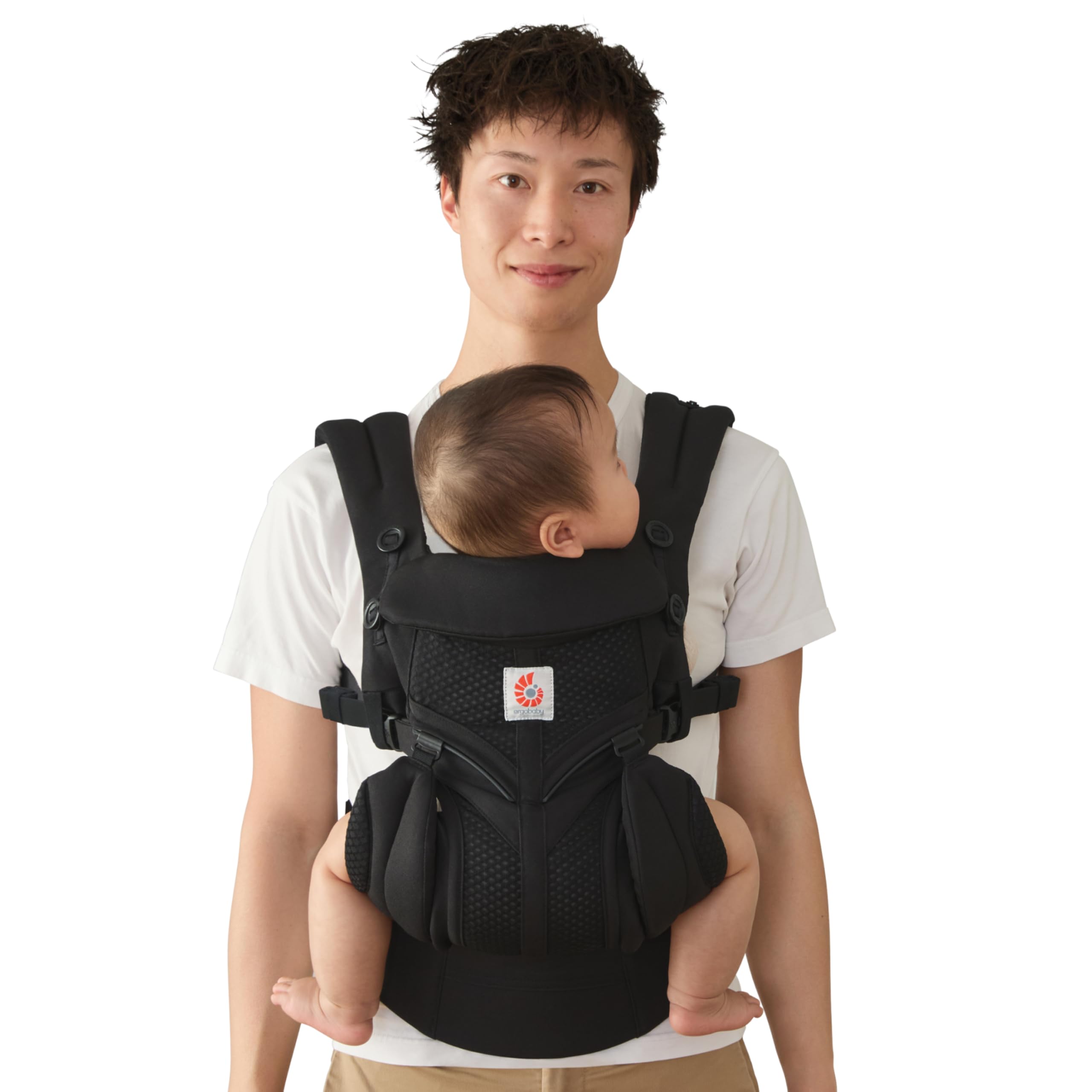
- Ergobaby Omni Baby Carrier – A four‑position carrier designed for newborns to toddlers, featuring an adjustable bucket seat, lumbar support, and IHDI certification. Rated 4.6 out of 5 stars by 7,432 reviewers, it costs $179.00.
- KeaBabies Baby Wrap Carrier – A soft, self‑tie wrap that distributes weight evenly and is also IHDI certified. Priced at $25.47 with a 4.5‑star rating from 22,914 reviews, it offers a lightweight alternative for caregivers who prefer flexibility.
Comparison and Selection Guide
Choosing the right carrier—whether new or used—depends on several criteria. The table below contrasts the two featured products, highlighting attributes that influence safety and usability.
| Feature | Ergobaby Omni Baby Carrier | KeaBabies Baby Wrap Carrier |
|---|---|---|
| Weight Capacity | 7‑45 lbs (0‑48 months) | Up to 35 lbs (newborn to toddler) |
| Positions | Inward, outward, back, hip (4 positions) | Single wrap position (adjustable) |
| Frame Type | Rigid frame with adjustable back panel | No frame – soft fabric wrap |
| Hip‑Healthy Certification | Yes (IHDI approved) | Yes (IHDI approved) |
| Price | $179.00 | $25.47 |
| Average Rating | 4.6/5 (7,432 reviews) | 4.5/5 (22,914 reviews) |
For caregivers who prioritize multi‑position versatility and lumbar support, the Ergobaby Omni stands out despite its higher price. Parents seeking an economical, lightweight option that still meets hip‑healthy standards may prefer the KeaBabies wrap.
Best Practices & Tips
- Document the carrier's serial number and compare it with the manufacturer's database to confirm authenticity.
- Ask the seller for original purchase receipts and any maintenance records, which can reveal past repairs.
- Perform a load test by gently applying pressure to the frame while the carrier is empty; any flexing beyond normal limits indicates structural fatigue.
- Inspect the carrier in natural lighting to detect subtle discoloration or micro‑tears that may be missed under artificial light.
- When possible, try the carrier on with a weighted dummy to simulate real‑world usage before finalizing the purchase.
Frequently Asked Questions
- Q: How often should a used carrier be replaced? A: If any component fails the safety checklist—particularly the frame, buckles, or harness—replace the carrier immediately, regardless of age.
- Q: Can I wash a used carrier that has been inspected? A: Yes, but follow the manufacturer's washing instructions; avoid high heat and harsh detergents that could weaken fabric fibers.
- Q: Is a self‑tie wrap as safe as a framed carrier? A: When tied correctly and certified by IHDI, a wrap provides comparable hip‑healthy support, though it lacks the structural rigidity of a framed model.
- Q: What warranty options exist for used carriers? A: Most manufacturers do not honor warranties on second‑hand items, so consider purchasing from a reputable reseller who offers a limited guarantee.
- Q: How can I verify the carrier's weight limit? A: Check the product manual or the manufacturer's website; the limit is typically printed on the carrier label near the buckles.
Conclusion
Inspecting a used framed child carrier demands meticulous attention to structural integrity, harness condition, ergonomic features, and certification evidence. By following the comprehensive checklist, one can mitigate risk and ensure the carrier provides safe, comfortable support for both child and caregiver. The recommended products illustrate the standards to expect, guiding buyers toward informed, confident purchases.
Products Featured in This Guide
Ergobaby Omni Baby Carrier
Price: $179.00 | Rating: 4.6/5 (7,432 reviews)
Featured for its four‑position ergonomic design, adjustable bucket seat, lumbar support, and IHDI hip‑healthy certification, making it an ideal benchmark for safety inspections.
KeaBabies Baby Wrap Carrier
Price: $25.47 | Rating: 4.5/5 (22,914 reviews)
Featured for its lightweight, breathable fabric, self‑tie design, and IHDI certification, offering a cost‑effective, ergonomic alternative for caregivers who prefer a soft wrap.