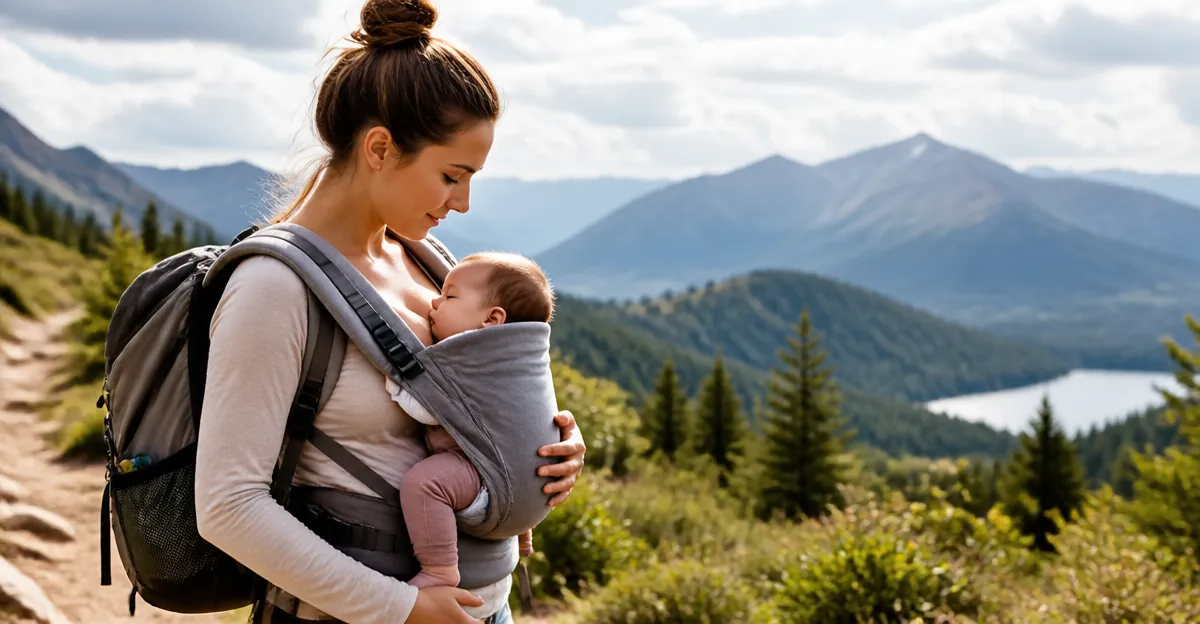
How to Breastfeed in a Baby Carrier While Hiking: Safe Positions, Privacy & Best Gear
Introduction
One often wonders how to combine the nourishment of breastfeeding with the adventure of hiking. This guide explains the practical techniques that allow a caregiver to feed a baby or toddler securely while on the trail. It also addresses privacy concerns, weather considerations, and the selection of equipment that simplifies the process. By following these instructions, one can enjoy the outdoors without compromising the health and comfort of both caregiver and child.
The ability to breastfeed on a hike provides nutritional benefits, emotional bonding, and flexibility for families who love nature. It eliminates the need to carry large quantities of formula or to stop at facilities that may be far apart. The guide is written for caregivers who have basic hiking experience and who seek a reliable, hands‑free solution. Throughout the article, product recommendations are presented as tools, not as mandatory purchases.
What You’ll Need
- A supportive, breathable baby carrier that allows easy access to the chest area.
- A lightweight, packable sunshade or cover for privacy.
- Quick‑dry, moisture‑wicking clothing for the caregiver.
- Hydration pack or water bottle for the caregiver.
- Sanitizing wipes and a small hand‑sanitizer.
The most critical piece of equipment is a carrier that combines stability, ventilation, and an adjustable harness. The Osprey Poco SLT Child Carrier Backpack meets these criteria and is highlighted in the product section below.
Step 1: Prepare the Carrier and Clothing
Begin by unpacking the carrier and inspecting the frame, straps, and safety harness for any signs of wear. Adjust the torso length by up to six inches to match the caregiver’s height, ensuring a snug yet comfortable fit for extended wear. Choose a moisture‑wicking top with a front opening or a discreet nursing-friendly design to facilitate easy access to the breast without excessive exposure. The carrier’s ventilated AirScape backpanel promotes airflow, reducing heat buildup during climbs.
The Osprey Poco SLT Child Carrier Backpack is priced at $279.95 and holds a rating of 4.6 out of 5 stars based on 124 reviews, indicating strong user satisfaction. Its lightweight stainless‑steel frame folds flat, allowing the caregiver to pack it efficiently when not in use. The optional UPF 50 sunshade, sold separately, can be stored in the built‑in zippered compartment for quick deployment.
Step 2: Position the Child for Comfortable Feeding
Secure the child in the carrier using the safety harness, ensuring that the chest strap sits just below the baby’s shoulders and the waist belt is snug around the caregiver’s hips. For breastfeeding, tilt the carrier forward slightly so that the child’s head rests against the caregiver’s chest, allowing the breast to be at a natural angle. The caregiver should keep the child’s back supported by the carrier’s padded seat, which prevents slouching and promotes a relaxed posture for both parties.
When the child is a newborn, the caregiver may need to use a nursing pillow or rolled towel placed between the child’s back and the carrier’s seat to achieve a higher angle. For toddlers, the carrier’s adjustable torso length accommodates growing bodies, making it easy to transition without purchasing a new system. The carrier’s design distributes weight evenly across the hips, reducing strain on the lower back during prolonged feeding sessions.
Step 3: Create a Private and Protected Feeding Space
Locate a natural screen such as a stand of trees, a large rock, or a small clearing that offers visual privacy while maintaining a stable footing. If the trail lacks adequate cover, deploy the optional UPF 50 sunshade, which can be attached to the carrier’s front zippered pocket and extended over the child’s torso. The sunshade not only shields the child from harsh sunlight but also creates a modest barrier that respects the caregiver’s desire for discretion.
In colder conditions, a lightweight, breathable nursing cover can be draped over the caregiver’s shoulders and the carrier, providing warmth without overheating. The cover should be made of a soft, stretchable fabric that does not interfere with the carrier’s straps or the child’s breathing. Always ensure that the child’s face remains visible and unobstructed to monitor breathing and comfort.
Step 4: Initiate the Feeding Process Safely
With the carrier secured and privacy established, the caregiver should gently bring the breast into the child’s mouth using a calm, rhythmic motion. Support the breast with one hand while the other hand steadies the carrier’s shoulder strap, preventing sudden shifts that could unbalance the load. The carrier’s stable frame allows the caregiver to maintain balance on uneven terrain, reducing the risk of falls during feeding.
During the feed, the caregiver should monitor the child’s latch and breathing, adjusting the carrier’s straps if any pressure points develop. If the child becomes fussy, a short pause to adjust the position or a brief walk on flat ground can help re‑establish a comfortable latch. After feeding, gently lower the child’s head and allow a brief period of skin‑to‑skin contact before continuing the hike.
Step 5: Pack Up and Continue the Hike
When the feeding session is complete, detach the sunshade or nursing cover and store it in the carrier’s zippered compartment. Loosen the chest strap slightly to relieve pressure on the caregiver’s shoulders, then continue walking at a steady, moderate pace. The carrier’s folding frame can be collapsed if the caregiver wishes to set the carrier down temporarily, as the frame locks securely to provide a stable base.
Maintain hydration by sipping water from a hydration pack or bottle, and use sanitizing wipes to clean any spilled milk on the carrier’s fabric. The Osprey Poco SLT’s durable, bluesign‑approved materials are easy to wipe clean, ensuring that the carrier remains fresh for subsequent uses. By following these steps, the caregiver can enjoy a seamless transition from feeding to hiking without compromising safety or comfort.
Tips & Pro Tips
- Practice the feeding position at home before attempting it on a trail to become familiar with the carrier’s adjustments.
- Carry a small, insulated bottle of breastmilk or a lactation aid if the child prefers expressed milk during longer hikes.
- Choose trail sections with gentle gradients for feeding sessions to minimize the risk of sudden movement.
- Use a lightweight, breathable nursing cover made of bamboo or modal fabric for added comfort in warm weather.
- Schedule feeding breaks every 1.5 to 2 hours to align with the child’s natural hunger cues and to prevent fatigue.
Troubleshooting
Problem: The child slips out of the carrier during feeding.
Solution: Verify that the safety harness is tightened correctly and that the chest strap sits low on the child’s torso. Adjust the torso length to ensure the carrier fits snugly against the caregiver’s body, eliminating excess movement.
Problem: The caregiver experiences shoulder pain after multiple feeds.
Solution: Distribute weight by tightening the hip belt and using the padded shoulder straps. Consider adding a small, breathable lumbar support pad to the carrier’s back panel for additional relief.
Conclusion
Breastfeeding while hiking is a realistic and rewarding practice when the caregiver follows safe positioning, respects privacy, and selects appropriate gear. The steps outlined in this guide enable one to feed a child confidently on the trail, maintaining both nourishment and the joy of outdoor exploration. By investing in a well‑designed carrier such as the Osprey Poco SLT Child Carrier Backpack, one gains a versatile tool that supports a wide range of activities beyond feeding.
With preparation, practice, and attention to detail, caregivers can transform a simple hike into a nurturing adventure that strengthens the bond with their child. The techniques described here are adaptable to various terrains, climates, and family dynamics, ensuring that every outdoor outing can be both healthy and enjoyable.
Products Mentioned in This Guide
Frequently Asked Questions
What is the safest position for breastfeeding while wearing a baby carrier on the trail?
Use a front‑outward or front‑inward carry with the baby’s head supported and the carrier’s chest opening wide enough to bring the breast to the nipple without twisting your torso.
How can I maintain privacy when nursing on a public hiking path?
Choose secluded spots, use a lightweight nursing cover or a breathable scarf, and position yourself facing a natural barrier like a tree or rock.
Which features should I look for in a baby carrier for hiking and breastfeeding?
Look for a carrier that is breathable, has a sturdy yet adjustable chest opening, provides lumbar support, and distributes weight evenly across hips and shoulders.
What weather considerations are important for breastfeeding while hiking?
Dress in layers, bring a waterproof cover for the baby, and protect the breast with a nursing cover to stay warm in cold conditions or shield from sun and wind.
Do I need extra supplies besides the carrier for nursing on the trail?
Pack a small nursing pad, a reusable water bottle for hydration, a lightweight blanket for privacy, and any needed medication or lactation supplements.